The Ultimate Guide to Innovative Solutions

Title: The Ultimate Guide to Innovative Sustainable Packaging Solutions in the Corrugated Box Industry

Innovation is at the forefront of the corrugated box industry, driving sustainable packaging solutions that benefit both businesses and the environment. As consumer demand for eco-friendly products continues to rise, companies are seeking innovative ways to reduce their carbon footprint while maintaining the functionality and durability of their packaging. In this comprehensive guide, we will explore the latest trends and technologies in sustainable packaging within the corrugated box industry.

### The Importance of Sustainable Packaging

Sustainable packaging has become a top priority for businesses across industries, including the corrugated box sector. As consumers become more environmentally conscious, they are actively seeking products that are packaged in eco-friendly materials. This shift in consumer behavior has led companies to rethink their packaging strategies and adopt more sustainable practices.

Innovative packaging solutions not only reduce the environmental impact of products but also help companies enhance their brand image and attract environmentally conscious consumers. By investing in sustainable packaging, businesses can demonstrate their commitment to corporate social responsibility and differentiate themselves in a competitive market.

### Sustainable Materials in Corrugated Packaging

Corrugated packaging is known for its strength, durability, and versatility, making it a popular choice for shipping and storage. However, traditional corrugated boxes are often made from virgin materials, contributing to deforestation and resource depletion. To address these environmental concerns, companies are turning to innovative sustainable materials for their packaging needs.

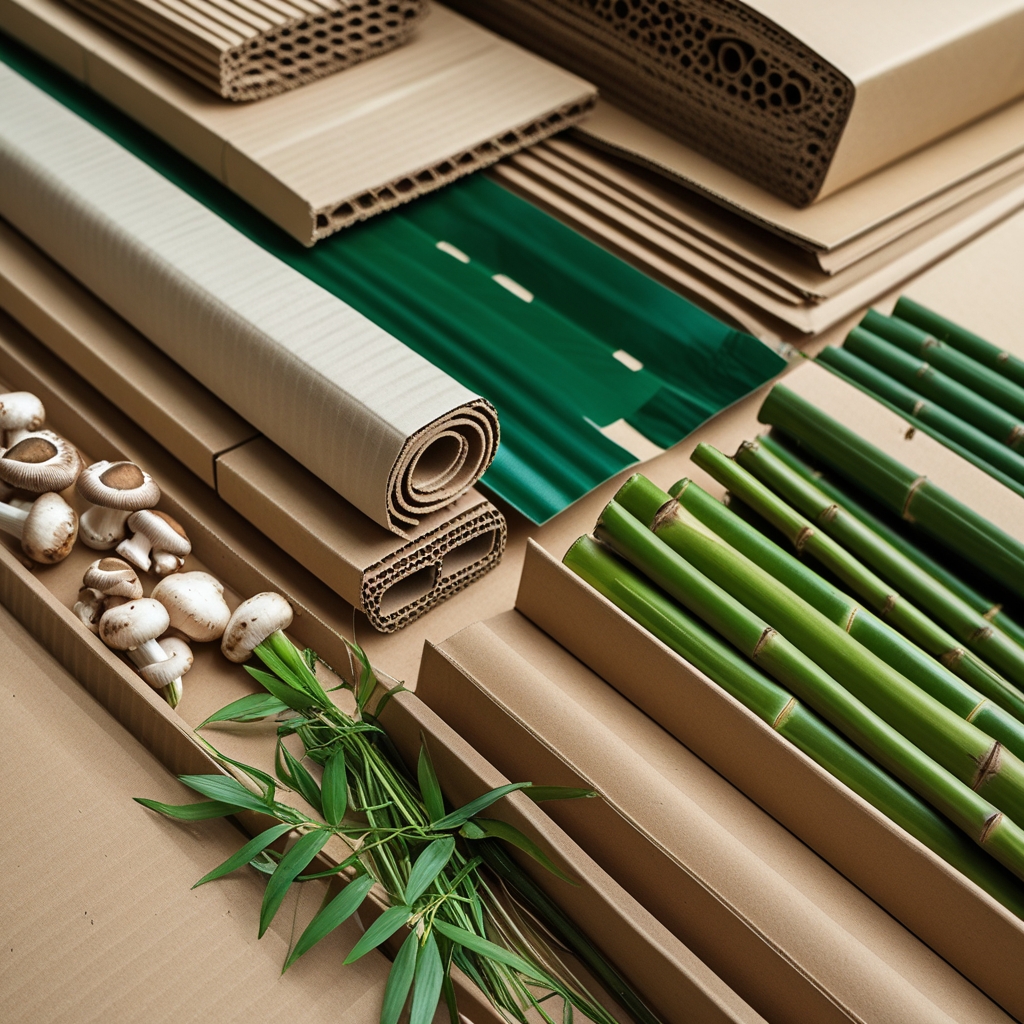
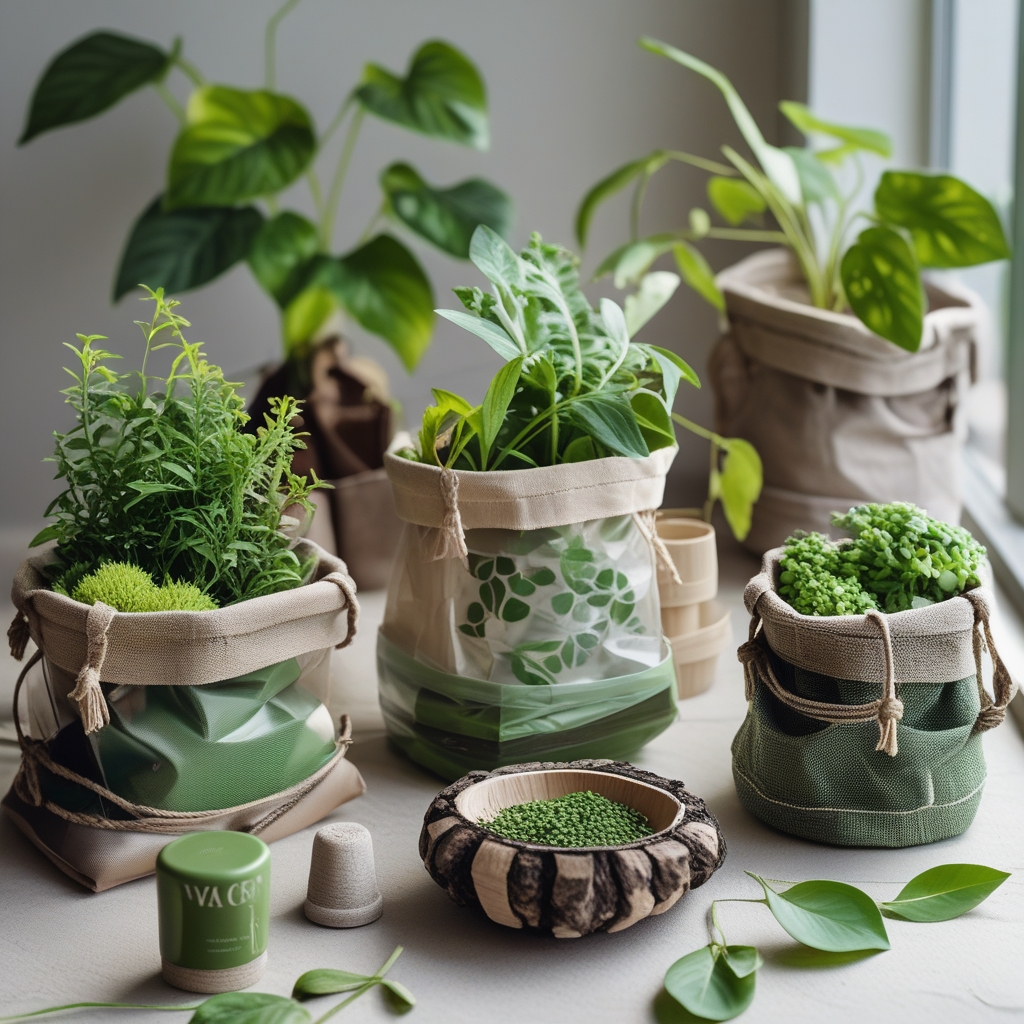
One example of an innovative sustainable material is recycled corrugated board, which is made from post-consumer waste and industrial scraps. By using recycled materials in their packaging, companies can reduce their reliance on virgin fibers and minimize waste sent to landfills. Additionally, some companies are exploring alternative materials such as bamboo, sugarcane, and mushroom-based packaging to further reduce their environmental impact.

### Advanced Printing Technologies for Sustainable Packaging

In addition to sustainable materials, advancements in printing technologies are revolutionizing the way corrugated boxes are designed and produced. Digital printing allows for high-quality, full-color graphics to be printed directly onto corrugated board, eliminating the need for additional labels or packaging materials. This not only reduces waste but also provides companies with more flexibility in their packaging design.

Furthermore, digital printing enables on-demand printing, meaning companies can produce smaller batch sizes and customize packaging for specific products or promotions. This reduces inventory waste and allows for more efficient use of resources. By leveraging advanced printing technologies, companies can create eye-catching, sustainable packaging that resonates with consumers.

### The Future of Sustainable Packaging in the Corrugated Box Industry

As the demand for sustainable packaging continues to grow, the corrugated box industry is poised to lead the way in innovation and sustainability. By adopting cutting-edge technologies, exploring alternative materials, and embracing eco-friendly practices, companies can reduce their environmental impact and meet the evolving needs of consumers.

In conclusion, innovative sustainable packaging solutions are shaping the future of the corrugated box industry. By prioritizing sustainability, companies can not only reduce their carbon footprint but also enhance their brand reputation and appeal to environmentally conscious consumers. As businesses continue to invest in sustainable packaging, we can expect to see more eco-friendly options and advancements in the field of corrugated packaging.

### Call-to-Action

Are you ready to take your packaging to the next level with innovative sustainable solutions? Contact us today to learn more about how we can help you reduce your environmental impact and enhance your brand image through eco-friendly packaging.

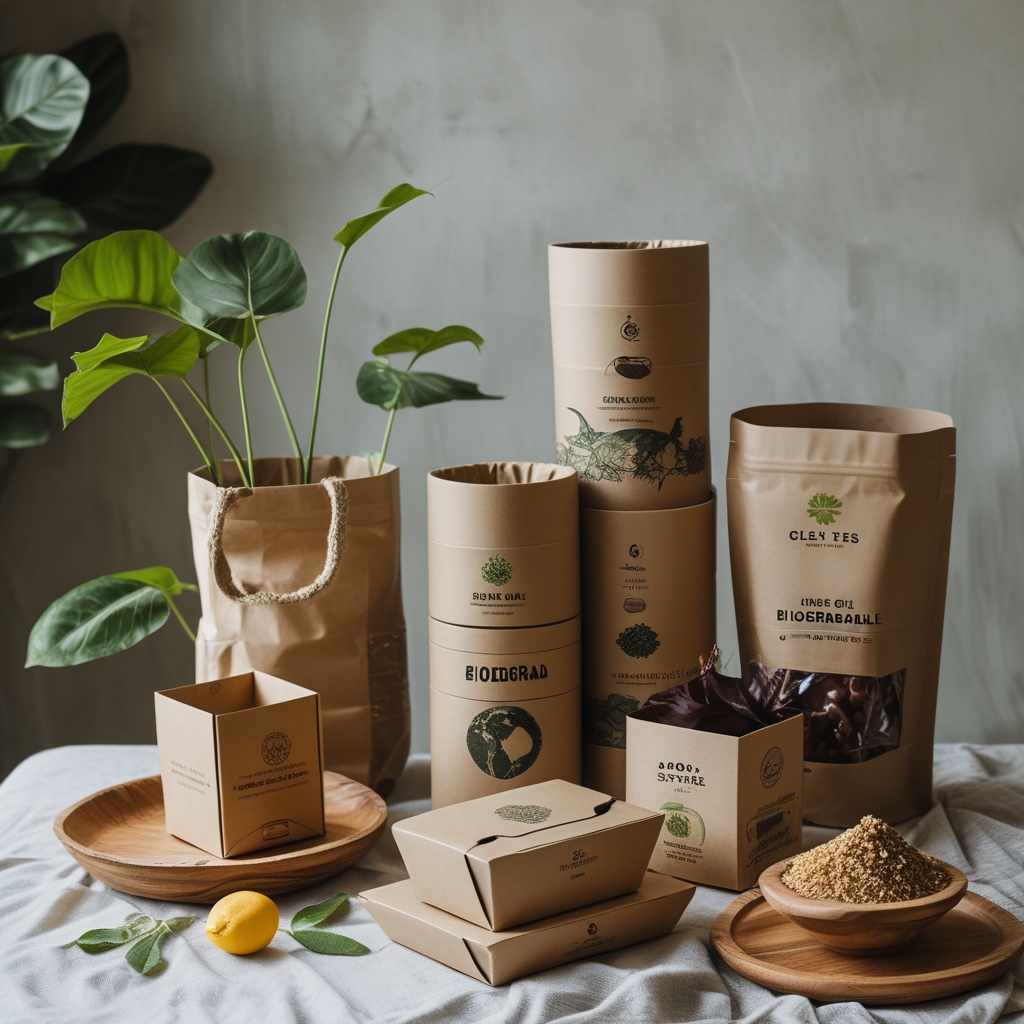
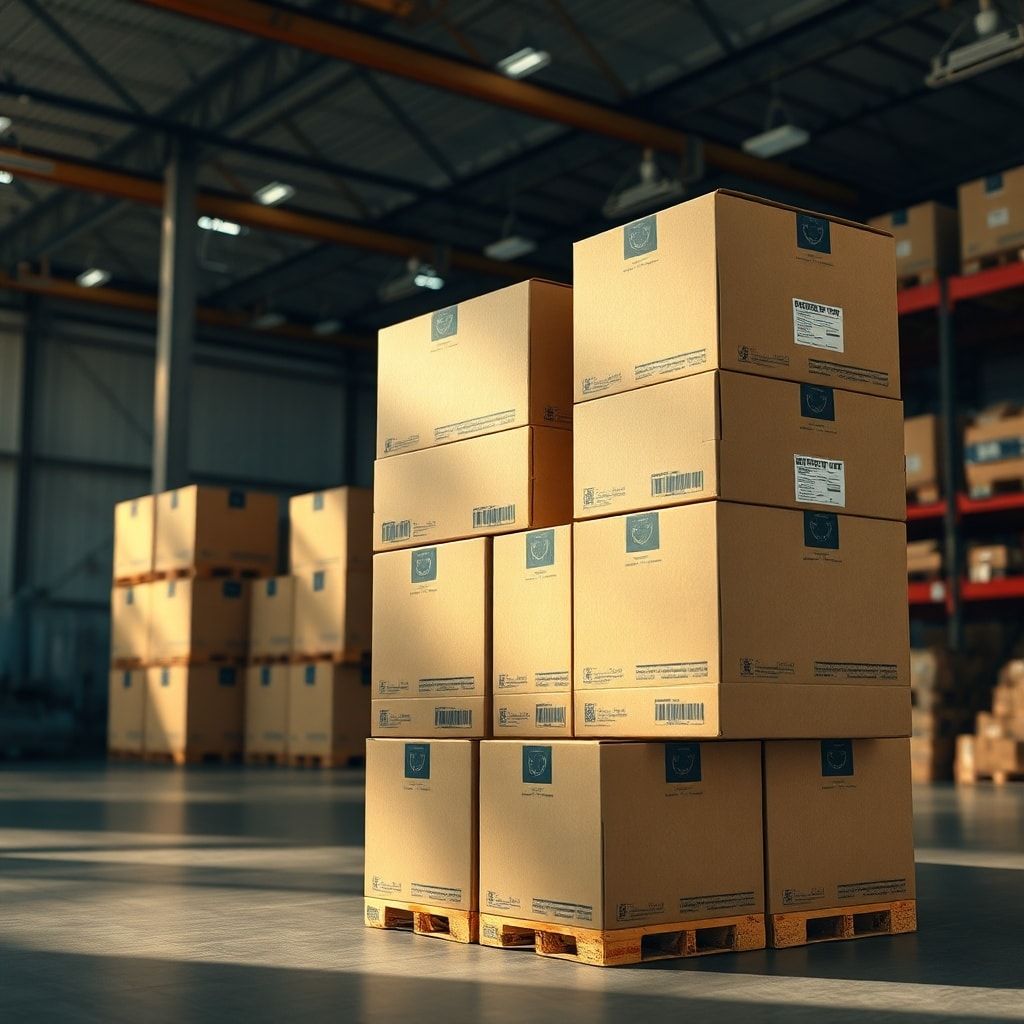
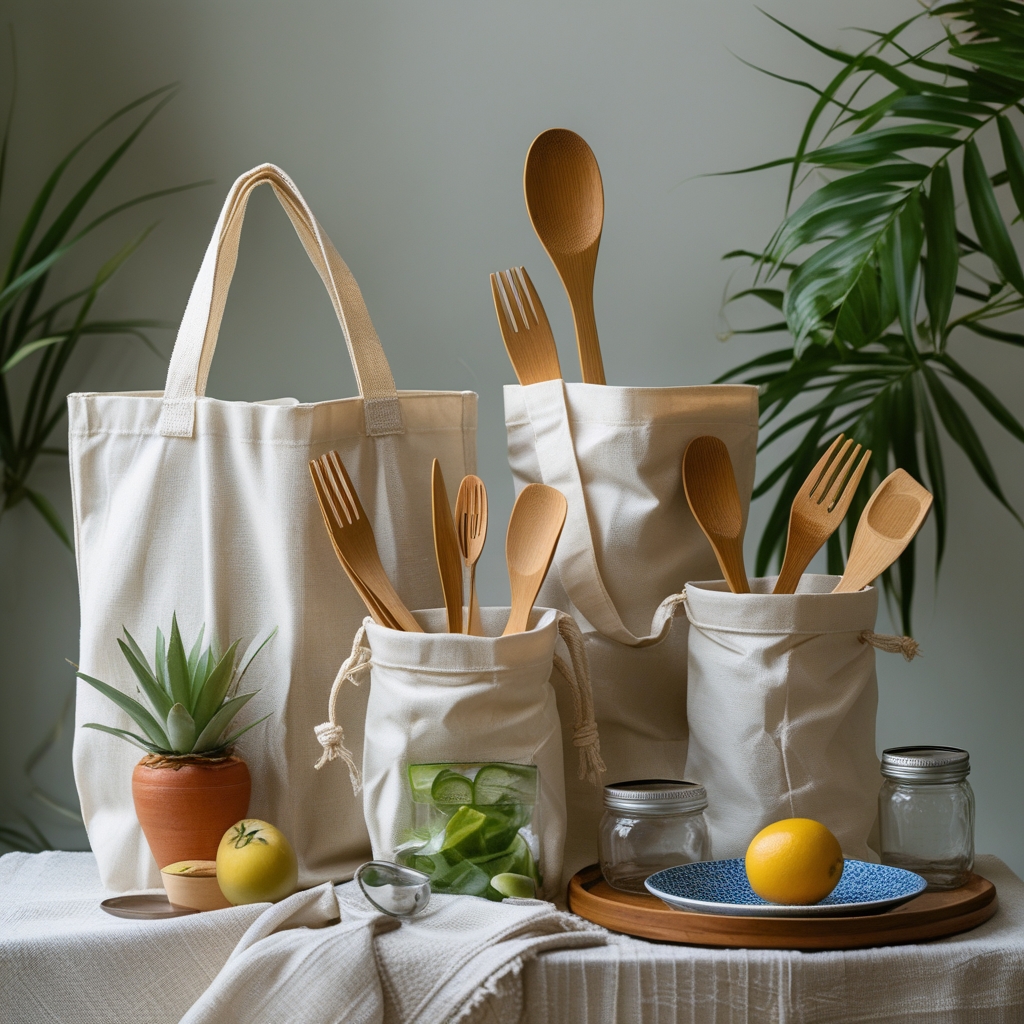
innovative - diverse range of sustainable materials for corrugated packaging, including recycled corrugated board, bamboo, su

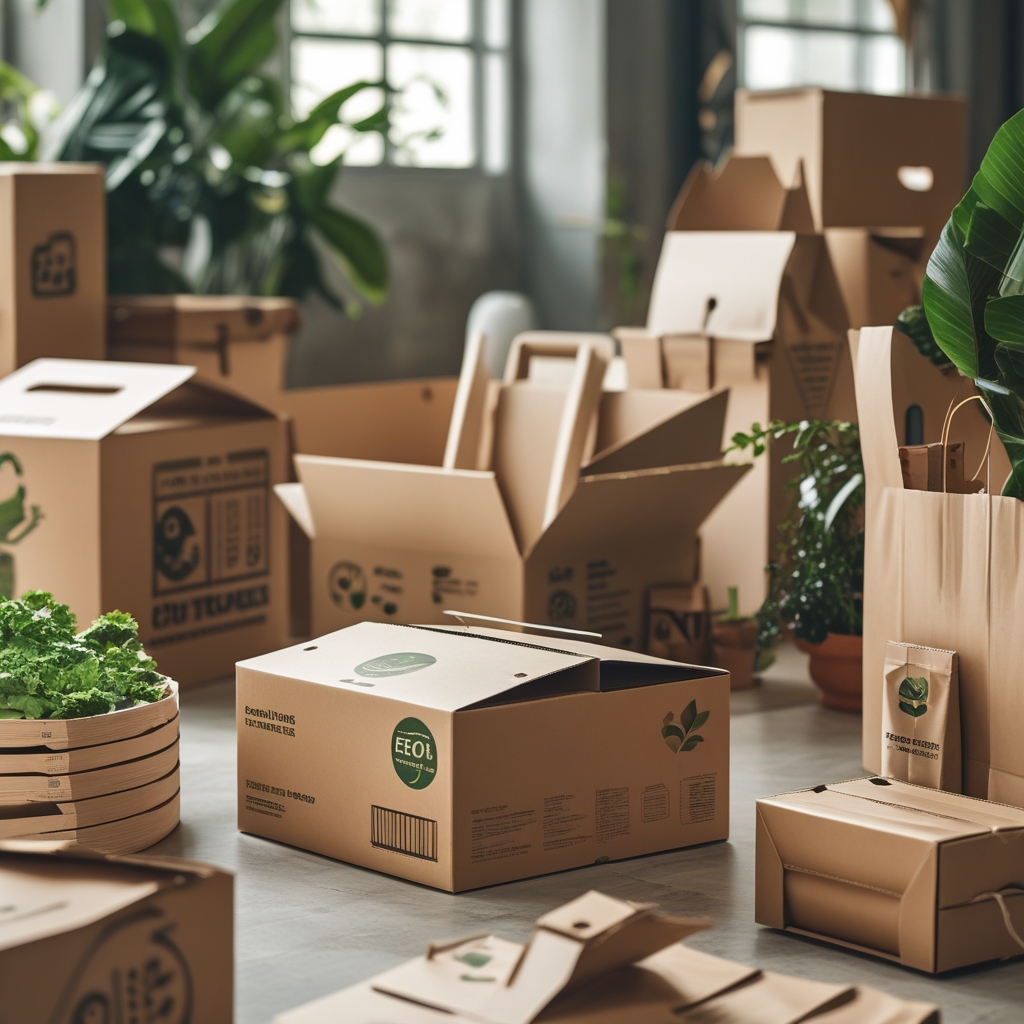
innovative - future trends in sustainable corrugated packaging, featuring eco-friendly practices, advanced technologies, and

10 Sustainable Living Tips for a Greener Future

**Title: 10 Sustainable Living Tips for a Greener Future**

Packaging manufacturers in Thailand play a vital role in promoting sustainability in today’s world, where living sustainably has never been more important. As climate change and environmental degradation become increasingly serious, it is essential for both individuals and businesses including ผู้ผลิตกล่องบรรจุภัณฑ์ to take responsibility for creating a greener future. By adopting sustainable practices, such as choosing eco-friendly materials and working with reliable packaging manufacturers in Thailand or trusted ผู้ผลิตกล่องบรรจุภัณฑ์ we can reduce our carbon footprint, conserve natural resources, and help protect the planet for future generations.

Here are 10 sustainable living tips that you can incorporate into your lifestyle to make a positive impact on the environment:

**1. Reduce, Reuse, Recycle**
One of the simplest ways to live sustainably is to follow the mantra of “reduce, reuse, recycle.” By minimizing waste, reusing items whenever possible, and recycling materials, you can help conserve resources and reduce the amount of trash that ends up in landfills.

**2. Conserve Energy**
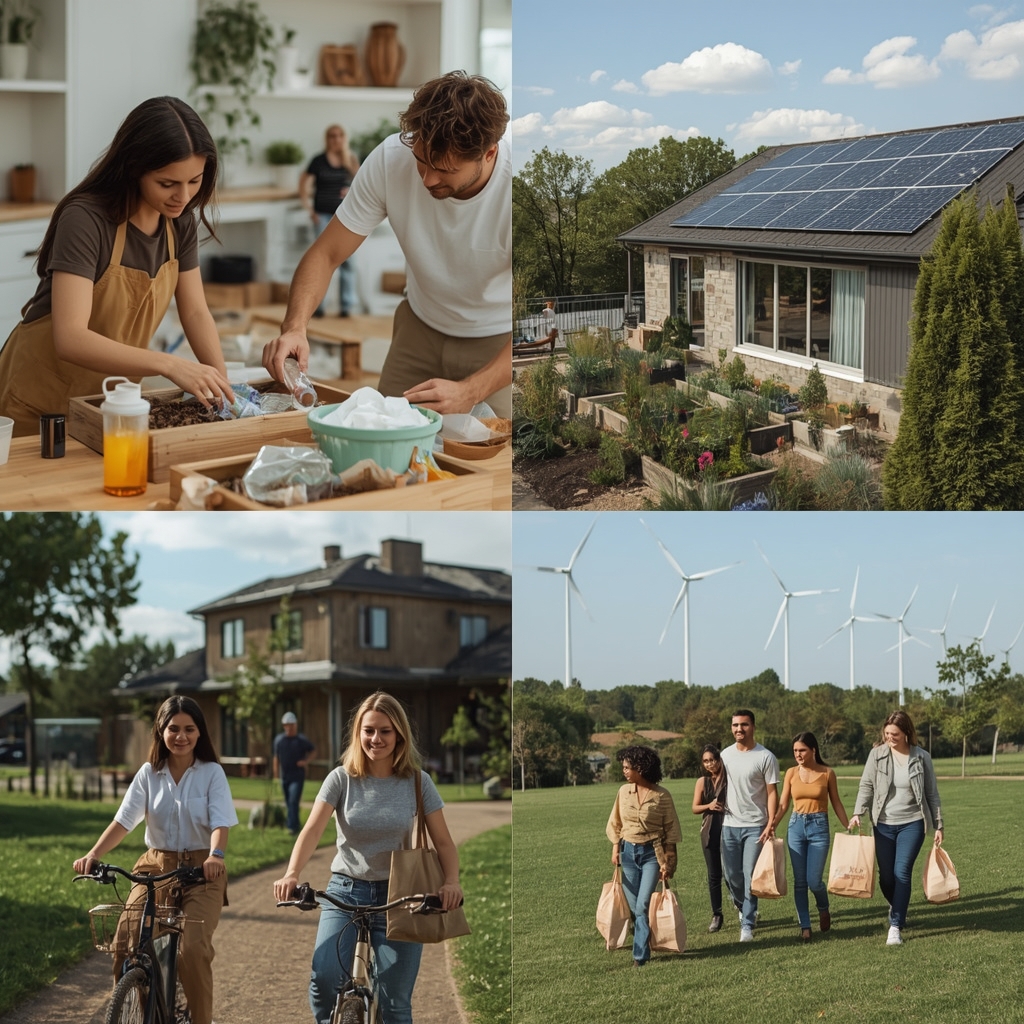
Another important aspect of sustainable living is conserving energy. Turn off lights and electronics when not in use, use energy-efficient appliances, and consider investing in renewable energy sources such as solar panels to reduce your carbon footprint.

**3. Use Eco-Friendly Products**
Choose eco-friendly products made from sustainable materials such as bamboo, recycled paper, or organic cotton. Avoid single-use plastics and opt for reusable alternatives like stainless steel water bottles and cloth shopping bags.

**4. Eat Locally and Seasonally**
Support local farmers and reduce your carbon footprint by eating locally and seasonally. By choosing fruits and vegetables that are in season, you can reduce the environmental impact of transporting food long distances.

**5. Compost Organic Waste**
Start a compost pile in your backyard to turn food scraps and yard waste into nutrient-rich soil for your garden. Composting reduces the amount of organic waste that ends up in landfills and helps nourish the earth.

**6. Reduce Water Usage**
Conserve water by fixing leaky faucets, taking shorter showers, and installing water-saving fixtures. You can also collect rainwater for watering plants and gardens to further reduce water usage.

**7. Support Sustainable Brands**
When shopping for clothing, household items, and other goods, choose brands that prioritize sustainability and ethical practices. Look for certifications such as Fair Trade and organic to ensure that your purchases are environmentally friendly.

**8. Plant a Garden**
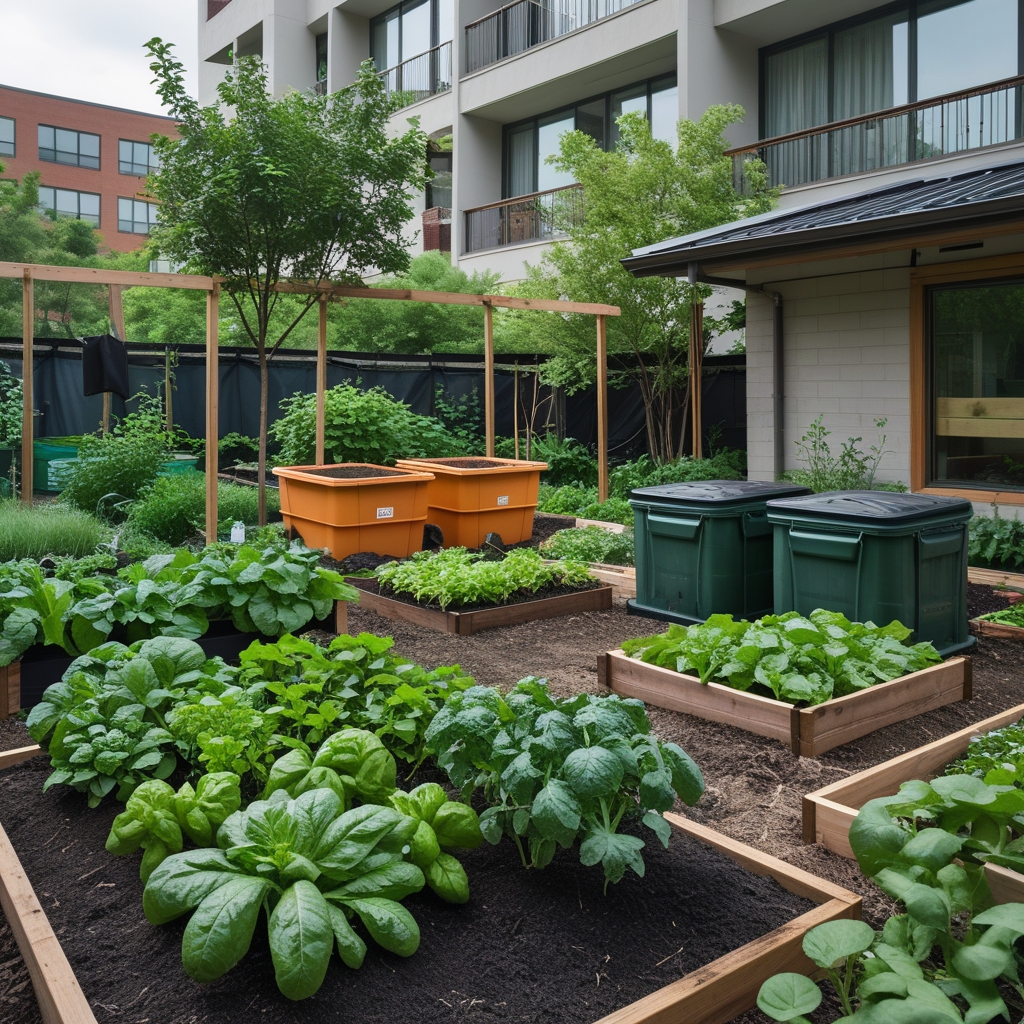
Grow your own fruits, vegetables, and herbs in a garden or on a balcony. Not only does gardening provide fresh produce, but it also helps reduce the carbon footprint of transporting food from farms to your plate.

**9. Use Alternative Transportation**
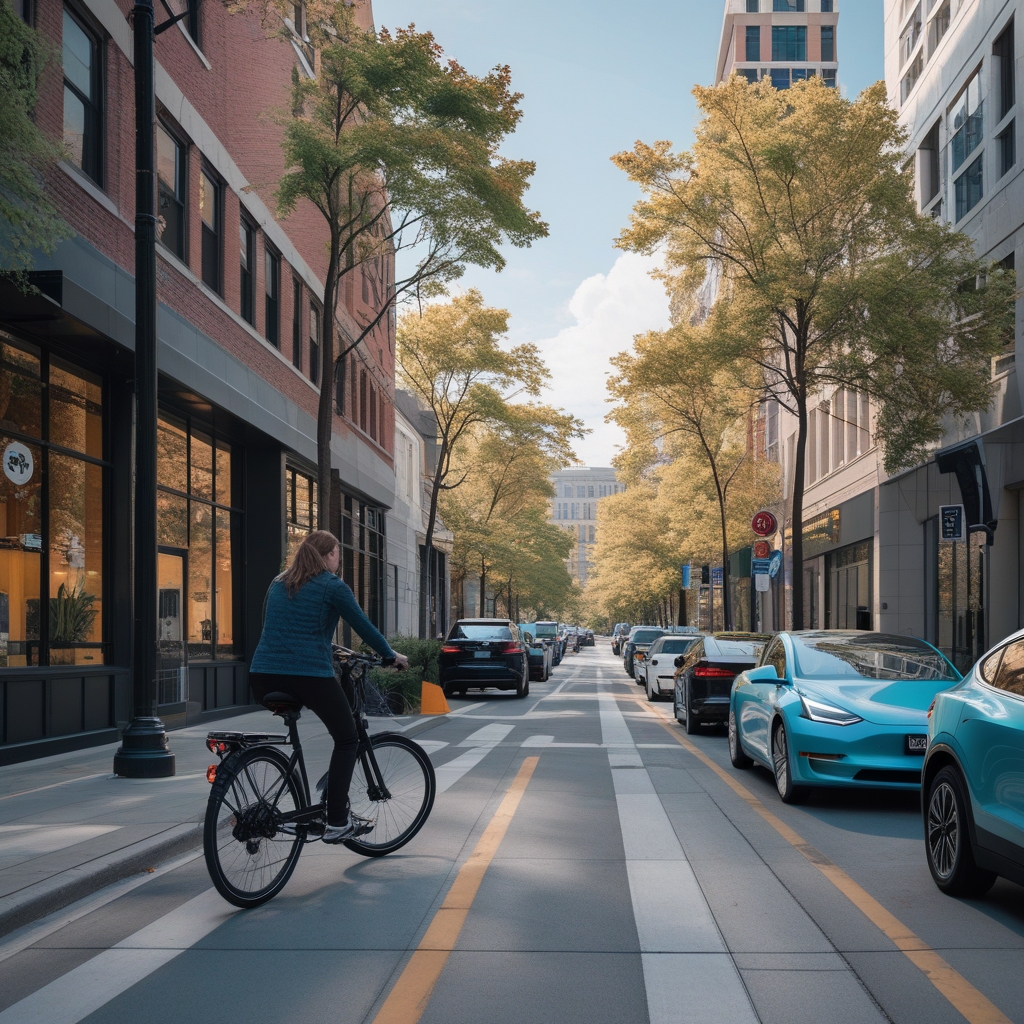
Reduce your reliance on fossil fuels by walking, biking, carpooling, or taking public transportation whenever possible. Consider investing in an electric vehicle or hybrid car for a more sustainable mode of transportation.

**10. Educate Yourself and Others**
Stay informed about environmental issues and share your knowledge with friends and family. By raising awareness and advocating for sustainable practices, you can inspire others to make positive changes for the planet.

In conclusion, living sustainably is not only beneficial for the environment but also for our own well-being. By incorporating these 10 sustainable living tips into your daily routine, you can make a significant impact on creating a greener future for all. Together, we can work towards a more sustainable world for generations to come.

Remember, every small step towards sustainability counts. Let’s join hands in making a difference for the planet!

“Innovative Solutions for a Modern World”

Title: Innovative Solutions for a Modern World

In today’s fast-paced and ever-changing world, innovation is key to staying ahead of the curve. Whether it’s in technology, business, or everyday life, being innovative can lead to groundbreaking ideas and solutions that revolutionize the way we live and work. In this article, we will explore some innovative solutions that are shaping the modern world.

### The Power of Innovation in Technology

Technology is one of the areas where innovation has the most significant impact. From artificial intelligence to virtual reality, new technologies are constantly being developed to improve our lives. Companies like Apple, Google, and Tesla are known for their innovative products that have changed the way we communicate, work, and travel.

One example of innovative technology is self-driving cars. These vehicles use advanced sensors and algorithms to navigate roads without human intervention, potentially reducing accidents and congestion. Companies like Waymo and Tesla are leading the way in this technology, with plans to make self-driving cars a reality for consumers in the near future.

### Innovative Solutions in Business

Innovation is also crucial in the business world, where companies are constantly looking for ways to stay competitive and drive growth. One innovative solution that many businesses are adopting is remote work. With advancements in technology, employees can now work from anywhere in the world, leading to increased productivity and flexibility.

Another example of innovative business solutions is the use of data analytics. Companies are using big data to analyze customer behavior, streamline operations, and make informed decisions. By leveraging data analytics, businesses can gain valuable insights that can drive growth and improve customer satisfaction.

### The Role of Innovation in Everyday Life

Innovation is not just limited to technology and business; it also plays a significant role in everyday life. From smart home devices to sustainable products, innovation is changing the way we live and interact with the world around us. Companies like Nest and Philips are creating smart home devices that make our lives easier and more efficient.

Innovative solutions in sustainability are also on the rise, with companies developing eco-friendly products and practices to reduce our impact on the environment. From reusable packaging to solar-powered technology, innovation is helping us create a more sustainable future for generations to come.

### Conclusion

Innovation is a driving force behind progress and growth in our modern world. Whether it’s in technology, business, or everyday life, being innovative can lead to groundbreaking ideas and solutions that improve our lives. By embracing innovation and thinking outside the box, we can create a better future for ourselves and future generations.

So, remember to stay curious, keep pushing boundaries, and never be afraid to try new things. Innovation is the key to shaping a better world for all.

innovative - diverse group of professionals brainstorming ideas in a modern office setting, with laptops, whiteboards, and co
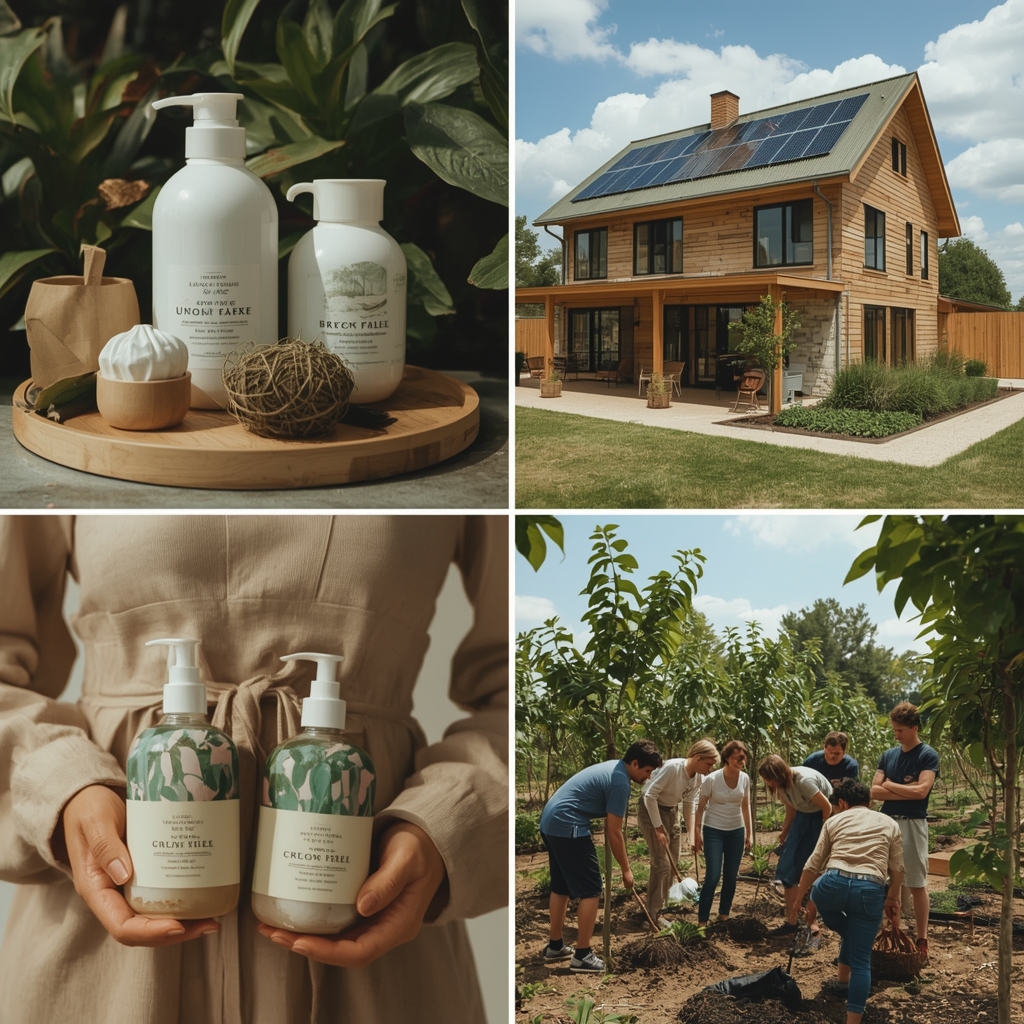
innovative - sustainable lifestyle products in a contemporary home environment, featuring eco-friendly materials and energy-e

The Ultimate Guide to Sustainable Living

Title: The Ultimate Guide to Sustainable Living

In today’s fast-paced world, sustainability has become a crucial topic of discussion. From reducing our carbon footprint to conserving resources, sustainable living is a way of life that benefits both the planet and future generations. In this comprehensive guide, we will explore the various aspects of sustainable living and how you can incorporate eco-friendly practices into your daily routine.

**What is Sustainable Living?**

Sustainable living is a lifestyle that aims to reduce environmental impact and promote the well-being of both people and the planet. It involves making conscious choices that minimize waste, conserve resources, and prioritize renewable energy sources. By adopting sustainable practices, individuals can contribute to a healthier, more sustainable world for all.

**Benefits of Sustainable Living**

There are numerous benefits to embracing sustainable living. Not only does it help protect the environment, but it can also lead to cost savings, improved health, and a greater sense of community. By reducing waste and conserving resources, individuals can make a positive impact on the planet while improving their own quality of life.

**Practical Tips for Sustainable Living**

1. Reduce, Reuse, Recycle: One of the simplest ways to live sustainably is to follow the mantra of reduce, reuse, recycle. By minimizing waste and finding creative ways to repurpose items, you can reduce your environmental footprint.
2. Conserve Energy: Use energy-efficient appliances, turn off lights when not in use, and consider alternative energy sources such as solar power to reduce your energy consumption.
3. Support Local and Organic: Choose locally sourced and organic products to support sustainable farming practices and reduce the carbon emissions associated with transportation.
4. Minimize Water Usage: Install water-saving fixtures, fix leaks promptly, and consider collecting rainwater for outdoor use to conserve this precious resource.

**The Future of Sustainable Living**

As the global population continues to grow, the importance of sustainable living will only increase. By making conscious choices today, we can create a more sustainable future for generations to come. From reducing plastic waste to supporting renewable energy initiatives, every small step towards sustainability makes a difference.

**Conclusion**

In conclusion, sustainable living is not just a trend but a necessity in today’s world. By adopting eco-friendly practices and making conscious choices, individuals can make a positive impact on the environment and create a more sustainable future for all. Embrace sustainable living today and be a part of the solution for a healthier planet.

Essential Ecommerce Strategies for Growth

The digital marketplace has become an indispensable arena for businesses worldwide, transforming how products and services are bought and sold. At its core, Ecommerce represents this vast and dynamic ecosystem, offering unparalleled opportunities for growth, reach, and innovation. For any business looking to thrive in the 21st century, understanding and implementing effective Ecommerce strategies is not just an advantage—it’s a fundamental necessity.

This comprehensive guide will delve into essential strategies designed to help your online store not just survive, but flourish. We’ll explore everything from optimizing your platform and driving traffic to enhancing customer experience and leveraging data. By the end, you’ll have a clear roadmap to navigate the complexities of modern Ecommerce and achieve sustainable growth.

Understanding Your Ecommerce Landscape

Before launching into specific tactics, a deep understanding of your operational environment is crucial. The competitive nature of Ecommerce demands thorough preparation and continuous adaptation. Knowing where your business stands in relation to the market and your competitors sets the foundation for all subsequent strategies.

Market Research and Niche Identification for Ecommerce

Successful Ecommerce begins with understanding your target audience and identifying a viable niche. Conduct extensive market research to uncover customer demographics, pain points, purchasing habits, and unmet needs. This insight allows you to tailor your product offerings and marketing messages effectively, ensuring you resonate with the right consumers.

Focusing on a specific niche can significantly reduce competition and allow you to become an authority in your chosen area. For example, instead of selling general clothing, consider specializing in sustainable activewear or vintage-inspired accessories. This targeted approach helps build a loyal customer base and streamline your marketing efforts within the vast Ecommerce landscape.

Competitor Analysis in Ecommerce

Analyzing your competitors is not about imitation, but about identifying opportunities and differentiating your brand. Examine what other successful Ecommerce businesses in your space are doing well, and where they fall short. Look at their pricing strategies, product ranges, marketing channels, and customer service approaches.

Understanding competitor strengths and weaknesses provides valuable benchmarks and helps you carve out your unique selling proposition. It can reveal gaps in the market that your business can fill, or highlight areas where you can innovate and offer a superior experience. A robust competitor analysis is an ongoing process vital for any evolving Ecommerce venture.

Optimizing Your Ecommerce Platform

Your online store is the digital face of your business, and its performance directly impacts your sales and customer satisfaction. Optimizing your Ecommerce platform is paramount for converting visitors into loyal customers. A seamless and intuitive user experience is no longer a luxury but an expectation.

User Experience (UX) and Mobile Responsiveness for Ecommerce

In today’s mobile-first world, an Ecommerce website must be perfectly optimized for all devices. A responsive design ensures that your store looks and functions flawlessly whether accessed on a desktop, tablet, or smartphone. This significantly impacts user satisfaction and search engine rankings.

Beyond responsiveness, focus on intuitive navigation, clear calls-to-action, and fast loading speeds. A cluttered interface or slow-loading pages can quickly deter potential customers, leading to high bounce rates. Invest in a clean, modern design that prioritizes ease of use and guides the customer effortlessly through their shopping journey, which is critical for any successful Ecommerce operation.

Product Page Optimization

Your product pages are where the buying decision often happens, making their optimization vital. High-quality images and videos showcasing your products from multiple angles are essential. Provide detailed, engaging product descriptions that highlight benefits, not just features, and answer potential customer questions upfront.

Include customer reviews and ratings, as social proof significantly influences purchasing decisions. Clear pricing, shipping information, and return policies should also be prominently displayed. Effective product page optimization can dramatically increase conversion rates for any Ecommerce business.

Secure Payment Gateways and Checkout Flow

A complicated or insecure checkout process is a major cause of cart abandonment. Ensure your Ecommerce store offers multiple trusted payment options, including credit cards, digital wallets, and possibly buy-now-pay-later services. Security is paramount; clearly display trust badges and SSL certificates to reassure customers that their financial information is safe.

Streamline the checkout flow to be as quick and simple as possible, ideally a one-page checkout. Minimize the number of required fields and offer guest checkout options. A smooth and secure transaction process is critical for building trust and completing sales in Ecommerce.

Driving Traffic to Your Ecommerce Store

Even the most optimized store won’t succeed without visitors. Driving targeted traffic to your Ecommerce website is a continuous effort involving a mix of organic and paid strategies. A multi-channel approach often yields the best results, ensuring a steady stream of potential customers.

Search Engine Optimization (SEO) for Ecommerce

SEO is fundamental for long-term, organic growth in Ecommerce. Optimize your product titles, descriptions, and category pages with relevant keywords that your target audience uses to search for products. Ensure your site has a robust internal linking structure and a sitemap for easy crawling by search engines.

Beyond on-page SEO, focus on technical SEO aspects like site speed, mobile-friendliness, and structured data (schema markup) to help search engines understand your product offerings better. Building high-quality backlinks from authoritative sites also boosts your domain authority, driving more organic traffic to your Ecommerce platform. This ongoing effort ensures your products are discoverable.

Paid Advertising Strategies for Ecommerce

Paid advertising, such as Google Ads (Shopping campaigns), social media ads (Facebook, Instagram, Pinterest), and display ads, can deliver immediate and targeted traffic. These platforms allow for precise audience targeting based on demographics, interests, and behaviors, making them highly effective for Ecommerce.

Continuously monitor and optimize your ad campaigns to maximize ROI. A/B test different ad creatives, headlines, and calls-to-action to find what resonates best with your audience. Remarketing campaigns, targeting users who have previously visited your site but didn’t convert, are particularly effective for recovering lost sales in Ecommerce.

Content Marketing and Social Media for Ecommerce

Content marketing builds brand authority and drives organic traffic by providing value beyond just selling products. Create blog posts, guides, videos, and infographics that address your audience’s interests and problems, subtly integrating your products as solutions. For instance, a beauty Ecommerce store could publish makeup tutorials or skincare routine guides.

Social media platforms are powerful tools for engaging with your audience, building community, and driving sales. Share compelling content, run contests, collaborate with influencers, and utilize features like shoppable posts. Consistent and authentic engagement across these channels is crucial for fostering customer loyalty and expanding your Ecommerce reach.

Enhancing the Ecommerce Customer Experience

In a crowded market, an exceptional customer experience can be your strongest differentiator. Going above and beyond to delight your customers fosters loyalty, encourages repeat purchases, and generates positive word-of-mouth for your Ecommerce business.

Personalization and Customer Segmentation

Treating every customer as an individual significantly enhances their shopping experience. Implement personalization strategies such as recommending products based on past purchases or browsing history. Use customer data to segment your audience and send targeted emails or promotions relevant to their specific interests.

Personalized experiences can range from a customized homepage layout to tailored email campaigns celebrating a customer’s birthday. This level of attention makes customers feel valued and understood, significantly boosting engagement and conversion rates in the competitive world of Ecommerce.

Exceptional Customer Service and Support

Prompt, helpful, and friendly customer service is non-negotiable. Offer multiple channels for support, including live chat, email, and phone. Be proactive in addressing issues and transparent in your communication. A quick resolution to a problem can turn a potentially negative experience into a positive one.

Consider implementing AI-powered chatbots for instant answers to common questions, freeing up your human agents for more complex inquiries. Exceptional customer service builds trust and reinforces a positive brand image, which is vital for sustained success in Ecommerce.

Post-Purchase Engagement and Loyalty Programs

The customer journey doesn’t end after a sale. Follow up with thank-you emails, shipping updates, and requests for product reviews. Implement loyalty programs that reward repeat customers with points, discounts, or exclusive access to new products. This encourages them to return to your Ecommerce store.

Surprise and delight customers with small gestures, like a personalized note or a small gift with their order. These efforts deepen customer relationships and transform one-time buyers into lifelong advocates, driving invaluable organic growth for your Ecommerce brand.

Leveraging Data for Ecommerce Growth

Data is the lifeblood of modern Ecommerce. By meticulously tracking, analyzing, and acting on performance metrics, businesses can make informed decisions that drive efficiency and profitability. Data-driven insights are crucial for continuous improvement.

Analytics and Performance Tracking

Utilize tools like Google Analytics, Shopify Analytics, or other dedicated Ecommerce platforms to track key performance indicators (KPIs). Monitor metrics such as conversion rates, average order value (AOV), customer lifetime value (CLV), bounce rate, and traffic sources. Regularly review these metrics to understand your store’s health.

Identifying trends and anomalies in your data allows you to pinpoint areas of strength and weakness. For example, a high cart abandonment rate might indicate issues with your checkout process, while low traffic to a specific category might suggest an SEO problem. Data provides the factual basis for strategic adjustments in Ecommerce.

A/B Testing and Conversion Rate Optimization (CRO)

Once you have data, use it to optimize your Ecommerce site’s performance through A/B testing. CRO involves systematically testing different versions of web pages, elements, or processes to see which performs better in terms of conversions. This could involve testing different product image layouts, call-to-action button colors, or checkout flow variations.

Even small improvements in conversion rates can lead to significant revenue gains over time. A/B testing is a scientific approach to improving your Ecommerce store, ensuring that changes are based on evidence rather than assumptions. It’s a continuous cycle of hypothesis, testing, analysis, and implementation.

Future-Proofing Your Ecommerce Business

The Ecommerce landscape is constantly evolving, with new technologies and consumer expectations emerging regularly. To ensure long-term success, businesses must remain agile and willing to embrace innovation. Staying ahead of the curve is crucial for sustained growth.

Embracing New Technologies (AI, AR, VR) in Ecommerce

Emerging technologies like Artificial Intelligence (AI), Augmented Reality (AR), and Virtual Reality (VR) are set to revolutionize Ecommerce. AI can power personalized recommendations, predictive analytics, and sophisticated chatbots, enhancing efficiency and customer experience. AR and VR offer immersive shopping experiences, allowing customers to virtually “try on” clothes or “place” furniture in their homes before purchasing.

While full adoption might be a future goal for many, understanding these technologies and exploring how they can be integrated into your Ecommerce strategy can provide a significant competitive edge. Investing in these innovations now can position your business as a leader in the digital retail space.

Sustainability and Ethical Ecommerce Practices

Modern consumers are increasingly conscious of the environmental and social impact of their purchases. Integrating sustainable and ethical practices into your Ecommerce business can build brand loyalty and attract a growing segment of responsible buyers. This includes using eco-friendly packaging, sourcing products ethically, and supporting fair labor practices.

Transparently communicating your sustainability efforts and values can significantly enhance your brand’s reputation. Being a responsible Ecommerce business is not just good for the planet; it’s also good for your bottom line, resonating deeply with conscientious consumers and setting your brand apart.

Conclusion

Navigating the dynamic world of Ecommerce requires a multi-faceted approach, combining strategic planning with continuous optimization and a customer-centric mindset. From understanding your market and optimizing your platform to driving traffic, enhancing customer experience, and leveraging data, each strategy plays a pivotal role in fostering growth.

The journey to Ecommerce success is ongoing, demanding adaptability and a willingness to embrace new technologies and consumer trends. By consistently refining your strategies and prioritizing your customers, your online business can achieve remarkable growth and establish a lasting presence in the digital marketplace. Start implementing these essential strategies today to unlock your Ecommerce potential and pave the way for a prosperous future. What steps will you take first to elevate your Ecommerce business?

The Ultimate Guide to Sustainable Living

Title: The Ultimate Guide to Sustainable Living

In today’s world, the concept of sustainability has become more important than ever. As we face environmental challenges and the effects of climate change, it is crucial for individuals to adopt sustainable practices in their daily lives. This guide will provide you with all the information you need to embrace a sustainable lifestyle and make a positive impact on the planet.

**What Does Sustainable Living Mean?**

Sustainable living is a lifestyle that aims to reduce one’s environmental impact by making conscious choices that minimize waste, conserve resources, and promote a healthy planet for future generations. It involves taking into account the social, economic, and environmental aspects of our actions to ensure a balanced and harmonious existence.

**Benefits of Sustainable Living**

There are numerous benefits to adopting a sustainable lifestyle. Not only does it help protect the environment and preserve natural resources, but it also promotes personal well-being and financial savings. By reducing your carbon footprint and living in harmony with nature, you can contribute to a more sustainable future for all.

**Practical Tips for Sustainable Living**

1. Reduce, Reuse, Recycle – One of the most fundamental principles of sustainability is the 3 Rs. By reducing your consumption, reusing items whenever possible, and recycling materials, you can significantly decrease your environmental impact.

2. Conserve Energy – Turn off lights when not in use, unplug electronics, and invest in energy-efficient appliances to lower your energy consumption and reduce your carbon footprint.

3. Support Sustainable Brands – Choose products from companies that prioritize sustainability and ethical practices. Look for certifications such as Fair Trade, Organic, and Rainforest Alliance to ensure you are making responsible purchasing decisions.

4. Eat Locally and Seasonally – Support local farmers and reduce food miles by choosing locally grown produce. Eating seasonally also helps you enjoy fresh, nutritious food while minimizing the environmental impact of food transportation.

5. Reduce Water Usage – Install low-flow fixtures, fix leaks promptly, and consider collecting rainwater for outdoor use to conserve water and protect this precious resource.

**The Future of Sustainable Living**

As more people recognize the importance of sustainability, the future looks promising for sustainable living practices. Innovations in renewable energy, eco-friendly technology, and circular economy models are paving the way for a more sustainable future. By incorporating sustainable principles into all aspects of our lives, we can create a healthier, more resilient planet for generations to come.

**Conclusion**

In conclusion, sustainable living is not just a trend but a necessity in today’s world. By making simple changes to our daily habits and choices, we can all contribute to a more sustainable future. From reducing waste and conserving resources to supporting ethical brands and adopting eco-friendly practices, there are countless ways to embrace sustainability in our lives. Together, we can make a difference and create a more sustainable world for all.

By following the tips and guidelines outlined in this guide, you can take the first steps towards a more sustainable lifestyle and make a positive impact on the planet. Start small, make gradual changes, and inspire others to join you on the journey towards a more sustainable future. Let’s work together to build a better world for ourselves and future generations.

sustainable - solar panels on rooftop, generating clean renewable energy under clear blue sky
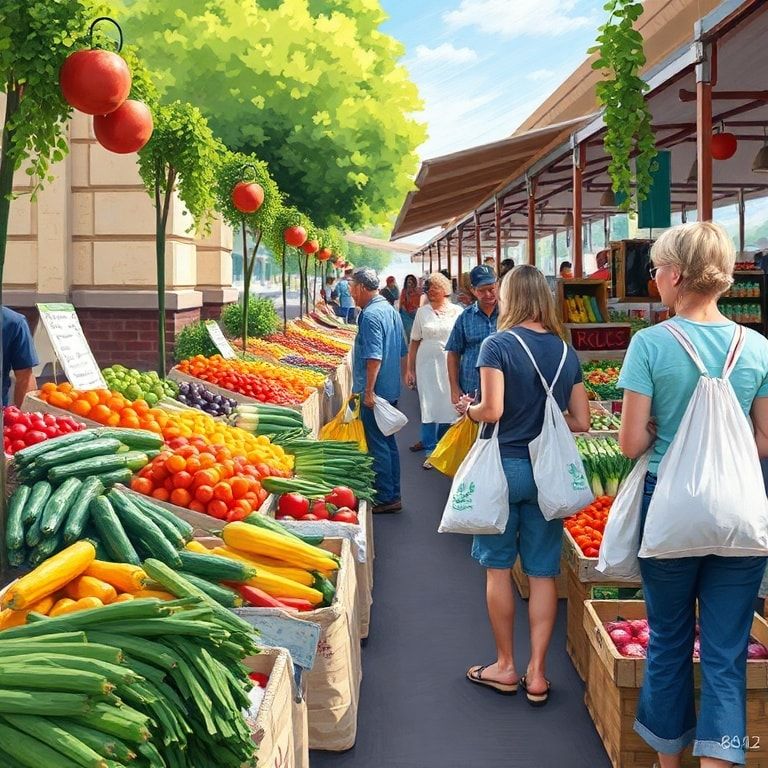
sustainable - local farmers market, colorful fruits and vegetables on display, people shopping with reusable bags

“Exploring the Hidden Treasures of Underrated Travel Destinations”

“Exploring the Environmental Benefits of Choosing a Corrugated Packaging Manufacturer”

In our constant endeavor to make more sustainable choices, exploring environmentally friendly options in all areas of our lives is crucial. One such domain that often goes unnoticed but packs a significant punch in terms of environmental impact is packaging. Specifically, choosing a corrugated packaging manufacturer can yield several environmental benefits.

Exploring Corrugated Packaging: A Green Alternative

Corrugated packaging, also known as cardboard, is a popular choice in the packaging industry due to its versatility and durability. However, what sets it apart from other materials is its exceptional eco-friendliness. This is primarily due to its recyclability, biodegradability, and energy efficiency during production.

1. Recyclability

Corrugated packaging is highly recyclable. According to the Environmental Protection Agency, cardboard recycling rates are consistently high, reaching nearly 70% in recent years. This means less waste ends up in our landfills, reducing greenhouse gas emissions and conserving natural resources.

2. Biodegradability

Unlike plastic or metal packaging, corrugated cardboard is biodegradable. If it does end up in the environment, it will decompose naturally without leaving harmful residues. This reduces the potential harm to wildlife and ecosystems.

3. Energy Efficiency

The manufacturing process of corrugated packaging is also highly energy efficient. It utilizes a high percentage of recovered fiber, meaning less energy is needed to produce new material. Plus, the light weight of corrugated cardboard reduces transportation energy and associated carbon emissions.

Exploring the Benefits of Choosing a Corrugated Packaging Manufacturer

Choosing a corrugated packaging manufacturer over traditional packaging options can lead to numerous benefits for both businesses and consumers.

1. Cost-Efficiency

Corrugated packaging is not only environmentally friendly but also cost-effective. The materials and production process are less expensive, and the light weight reduces shipping costs.

2. Versatility

Corrugated packaging can be easily customized in terms of size, shape, and design, making it a versatile choice for various products and industries.

3. Consumer Preference

More and more consumers are demanding sustainable packaging. Opting for corrugated packaging can enhance a company’s reputation and meet consumer expectations for environmentally friendly practices.

Exploring Future Trends in Packaging

The demand for sustainable packaging is expected to grow in the future. Companies are exploring innovative ways to make their packaging more eco-friendly, such as using plant-based inks and adhesives, incorporating recycled content, and designing for easy recycling.

Moreover, technological advancements are enabling the development of more durable and resilient corrugated packaging, further enhancing its environmental and economic benefits.

Conclusion

In conclusion, exploring the benefits of choosing a corrugated packaging manufacturer reveals a treasure trove of environmental and economic advantages. It is a viable green alternative that reduces environmental impact while meeting our packaging needs efficiently and cost-effectively. As consumers and businesses continue to prioritize sustainability, the adoption of corrugated packaging is set to soar.

In your quest for a greener tomorrow, consider choosing corrugated packaging. Let’s make a sustainable switch, one box at a time.

Beyond Bubble Wrap: Creative Packing Ideas

Beyond Bubble Wrap: Creative Packing Ideas

In the bustling world of e-commerce, where every click leads to countless choices, standing out is no longer an option—it’s a necessity. For too long, packaging has been relegated to a mere functional role: a protective shell, a delivery vessel. However, savvy brands are discovering that the true magic happens when you move Beyond Bubble Wrap, transforming a mundane delivery into an unforgettable unboxing experience. Custom corrugated packaging isn’t just about protecting products; it’s about telling a story, reinforcing your brand, and forging a deeper connection with your customer, long before they even touch the product inside.

The Evolution of E-commerce Packaging: From Protection to Experience

The early days of online shopping prioritized speed and cost-efficiency, often at the expense of presentation. Products arrived in generic brown boxes, sometimes overflowing with plastic peanuts or, indeed, bubble wrap. While effective in safeguarding items, this approach did little to excite or engage the customer.

Today’s consumer, however, expects more. They are accustomed to curated experiences, and the unboxing moment has emerged as a critical touchpoint. It’s the first physical interaction a customer has with your brand after making a purchase, and it sets the tone for their perception of your product and company. Moving Beyond Bubble Wrap means recognizing this shift and investing in packaging that speaks volumes.

Branding That Speaks Volumes, Beyond Bubble Wrap

Generic packaging is a missed opportunity for branding. Imagine your customer receiving a box adorned with your logo, brand colors, and a thoughtful message. This immediately elevates the perceived value of their purchase and differentiates you from competitors who rely on standard, unbranded solutions.

Custom corrugated boxes offer a blank canvas for your brand’s personality. From minimalist elegance to vibrant, playful designs, the possibilities are endless. This visual branding extends the customer journey, making the delivery itself part of the premium experience. It’s a silent salesperson, reinforcing your identity at every step.

Furthermore, custom packaging can create a sense of anticipation. A beautifully designed box hints at the quality of the product within, building excitement even before it’s opened. This emotional connection is invaluable in fostering brand loyalty and encouraging repeat business in a competitive market.

Designing Your Signature Unboxing Experience

Creating an exceptional unboxing experience goes far beyond just the outer box. It involves a thoughtful consideration of every element, from the internal structure to the smallest finishing touches. This holistic approach is what truly allows brands to move Beyond Bubble Wrap and deliver memorable moments.

Creative Material Choices Beyond Bubble Wrap

While corrugated cardboard forms the robust foundation, what goes inside is equally important. Instead of plastic void fill, consider sustainable and aesthetically pleasing alternatives. Crinkle-cut paper, custom-printed tissue paper, wood excelsior, or even shredded natural fibers can provide cushioning while adding texture and visual appeal.

These materials not only protect but also enhance the sensory experience. The rustle of tissue paper, the natural scent of wood, or the satisfying weight of paper-based void fill all contribute to a more premium feel. Many consumers also appreciate eco-friendly options, aligning with growing concerns about environmental impact.

Personalization and Storytelling

The unboxing experience is a prime opportunity for personalization and storytelling. A handwritten note, a custom sticker with a QR code leading to exclusive content, or an insert detailing your brand’s mission can make a significant impact. These small touches show customers they are valued and create a more intimate connection.

Think about the narrative you want to convey. Is your brand playful and whimsical? Use bright colors and fun illustrations. Is it luxurious and sophisticated? Opt for elegant fonts, embossed logos, and a refined color palette. Every element should contribute to your brand’s story, inviting the customer deeper into your world. This thoughtful approach truly goes Beyond Bubble Wrap and elevates the entire interaction.

Consider adding a small, branded gift or sample. This unexpected delight can turn a satisfied customer into a delighted advocate. It’s a powerful way to exceed expectations and encourage word-of-mouth marketing, which is invaluable in today’s social media-driven landscape.

Sustainable Practices: Going Beyond Bubble Wrap Responsibly

As consumers become increasingly environmentally conscious, sustainable packaging is no longer a niche request but a mainstream expectation. Brands that embrace eco-friendly solutions not only appeal to a broader audience but also contribute positively to the planet. This commitment to sustainability is a crucial aspect of moving Beyond Bubble Wrap.

Custom corrugated packaging is inherently more sustainable than many plastic alternatives. Corrugated cardboard is widely recyclable, often made from recycled content, and biodegradable. By choosing custom designs, you can also optimize box sizes, reducing the need for excess void fill and minimizing shipping waste.

Eco-Friendly Packaging Innovations

Beyond the cardboard itself, there are numerous innovations in sustainable packaging. Explore options like water-activated tape, soy-based inks, and compostable mailers. Even small details, like using paper instead of plastic for product wrapping, can make a big difference in your brand’s environmental footprint.

Clearly communicate your sustainable efforts to your customers. Highlight the recyclability of your packaging on the box itself or in an accompanying insert. This transparency builds trust and strengthens your brand’s image as a responsible and forward-thinking company. Consumers are often willing to pay a premium for brands that align with their values.

The Power of First Impressions: Why Custom Packaging Matters

The moment a customer receives their package is critical. It’s an opportunity to make a lasting first impression that extends far beyond the product itself. Custom packaging transforms this moment from a simple delivery into a memorable experience, significantly impacting customer perception and loyalty.

Enhancing Customer Loyalty and Repeat Business

An exceptional unboxing experience fosters a positive emotional connection with your brand. When customers feel that a brand has put thought and effort into their experience, they are more likely to remember it, share it, and return for future purchases. This is where moving Beyond Bubble Wrap truly pays dividends.

In fact, studies show that a positive unboxing experience can significantly increase customer satisfaction and repeat purchase rates. Customers who have a great unboxing experience are also more likely to recommend the brand to friends and family, generating valuable organic marketing and expanding your reach without additional advertising spend.

User-Generated Content and Social Media Buzz

In the age of social media, an aesthetically pleasing unboxing experience is highly shareable. Customers love to post photos and videos of their purchases, especially when the packaging is unique and visually appealing. This user-generated content acts as authentic, free advertising for your brand, reaching a wider audience than traditional marketing efforts.

Encourage sharing by incorporating a branded hashtag or a call-to-action on your packaging. Imagine the viral potential of hundreds or thousands of customers showcasing your thoughtfully designed packaging. This organic buzz is a powerful testament to the value of investing in custom solutions that go Beyond Bubble Wrap.

Measuring Success: The ROI of Custom Packaging

While the benefits of custom packaging seem clear, it’s natural for businesses to question the return on investment (ROI). The good news is that the impact of moving Beyond Bubble Wrap can be measured in several tangible ways, proving its value as a strategic business decision.

Increased customer loyalty directly translates to higher lifetime value per customer. Satisfied customers are less likely to churn and more likely to make repeat purchases, reducing the need to constantly acquire new customers (a typically more expensive endeavor). This steady revenue stream is a direct benefit of an elevated unboxing experience.

Furthermore, the boost in brand perception and social media engagement can lead to increased brand awareness and organic traffic. This reduces your reliance on paid advertising, freeing up marketing budgets for other initiatives. Think of your packaging as a silent marketing tool that works around the clock.

Operational Efficiency and Cost Considerations

While custom packaging might seem like an added expense, it can also lead to operational efficiencies. Perfectly sized custom boxes reduce the need for excessive void fill, saving on material costs and reducing shipping weight. Lighter packages mean lower shipping fees, which can add up significantly over time.

Moreover, custom inserts and internal structures can streamline the packing process, making it quicker and less prone to error. This efficiency translates to labor cost savings and faster order fulfillment. When designed strategically, custom packaging isn’t just about aesthetics; it’s about smart logistics that go Beyond Bubble Wrap.

It’s important to view custom packaging not as an expense, but as an investment in your brand’s future. The long-term benefits of enhanced customer experience, increased loyalty, and valuable brand exposure far outweigh the initial costs, making it a wise decision for any e-commerce business looking to thrive.

Conclusion

The journey Beyond Bubble Wrap is more than just an aesthetic upgrade; it’s a strategic imperative for modern e-commerce brands. In a crowded digital marketplace, the unboxing experience offers a unique opportunity to connect with customers on a deeper, more emotional level. By investing in custom corrugated packaging, brands can transform a simple delivery into a memorable moment that reinforces their identity, fosters loyalty, and generates invaluable word-of-mouth marketing.

From sustainable material choices to personalized touches and thoughtful design, every element of your packaging contributes to the overall customer perception. It’s a powerful tool for branding, storytelling, and ultimately, driving business growth. Don’t let your packaging be an afterthought; make it a cornerstone of your brand strategy.

Ready to elevate your e-commerce unboxing experience and leave a lasting impression? Explore the endless possibilities of custom corrugated packaging and start designing your signature unboxing moment today!

Futureproof Your Business: Key Strategies

In today’s rapidly evolving business landscape, the ability to anticipate and adapt to change is no longer a luxury—it’s a necessity. Companies are increasingly challenged by shifting consumer demands, stringent environmental regulations, and the undeniable imperative to operate sustainably. This dynamic environment calls for a proactive approach to business operations, particularly in areas that have a significant environmental footprint, like packaging. To truly thrive and remain relevant, businesses must learn to futureproof their strategies, integrating sustainability into their core.

One of the most impactful yet often underestimated areas where businesses can significantly enhance their resilience and environmental credentials is through their packaging choices. Specifically, embracing innovative corrugated designs offers a powerful pathway to not only meet sustainability goals but also to drive efficiency, reduce waste, and build a stronger brand reputation. This comprehensive guide will explore how strategic packaging decisions, centered around corrugated solutions, are essential for any business looking to futureproof its operations and secure a competitive edge in the market.

Why Businesses Must Futureproof for Sustainability

The global shift towards a greener economy is accelerating, driven by conscious consumers, responsible investors, and ambitious governmental targets. Businesses that fail to adapt risk falling behind, facing reputational damage, increased regulatory scrutiny, and a diminishing market share. Sustainability is no longer just a buzzword; it’s a fundamental pillar of modern business strategy.

Consumers, especially younger demographics, are actively seeking brands that align with their values, prioritizing environmental responsibility and ethical practices. This demand translates into a direct impact on purchasing decisions, making sustainability a critical factor for brand loyalty and growth. To truly futureproof their market position, companies must demonstrate a genuine commitment to reducing their environmental impact across all touchpoints, from production to delivery.

Evolving Consumer Expectations and Brand Loyalty

Today’s consumers are more informed and environmentally conscious than ever before. They expect transparency from brands and are willing to pay a premium for sustainable products and packaging. A recent study indicated that a significant percentage of consumers are willing to change their purchasing habits to reduce environmental impact. This growing awareness means that packaging, often the first physical interaction a customer has with a product, plays a pivotal role in shaping perceptions and fostering loyalty. Businesses that proactively address these expectations are better positioned to futureproof their customer base.

Regulatory Pressures and Risk Mitigation

Governments worldwide are implementing stricter regulations concerning waste management, plastic reduction, and circular economy principles. These policies can significantly impact operational costs, supply chain logistics, and material choices. By proactively adopting sustainable packaging solutions like corrugated, businesses can mitigate future compliance risks and avoid potential penalties. This foresight is crucial for any strategy designed to futureproof an enterprise against unforeseen legislative changes.

The Role of Packaging in a Futureproof Strategy

Packaging often serves as a silent ambassador for a brand, carrying products safely while conveying brand values. However, its environmental impact has come under intense scrutiny. Traditional packaging materials, particularly single-use plastics, contribute significantly to landfill waste and pollution, posing a substantial challenge to sustainability efforts. Therefore, rethinking packaging is not just about aesthetics; it’s about fundamentally altering a business’s environmental footprint.

Integrating sustainable packaging into a broader business strategy demonstrates a commitment to corporate social responsibility, which can enhance brand equity and appeal to a wider audience. It’s about making choices today that will yield benefits tomorrow, helping to futureproof the entire value chain. Selecting materials that are renewable, recyclable, and minimize waste is a cornerstone of this approach.

Corrugated Packaging: A Pillar of Futureproof Design

Corrugated cardboard stands out as a leading material in the quest for sustainable packaging. Made primarily from renewable resources, often recycled fibers, it offers a compelling blend of strength, versatility, and environmental friendliness. Its inherent properties make it an ideal choice for businesses aiming to reduce their ecological footprint while maintaining product integrity.

The widespread recyclability of corrugated packaging contributes significantly to a circular economy, where materials are kept in use for as long as possible. This contrasts sharply with many other packaging types that end up in landfills, making corrugated an excellent option for any company striving to futureproof its environmental impact. Furthermore, its lightweight nature can also lead to reduced transportation emissions.

Renewable Resources for a Futureproof Supply Chain

Corrugated packaging is predominantly made from wood fibers, a renewable resource. Responsible forestry practices ensure that trees are replanted, maintaining forest health and biodiversity. This commitment to renewable materials provides a stable and sustainable supply chain, insulating businesses from the volatility associated with non-renewable resources. Such practices are fundamental to building a truly futureproof operational model.

Versatility and Protection to Futureproof Products

Beyond its environmental benefits, corrugated cardboard is highly functional. Its fluted structure provides excellent cushioning and stacking strength, protecting products during transit and storage. This versatility allows it to be engineered into various shapes and sizes, from simple shipping boxes to intricate display packaging. The ability to customize ensures optimal protection for diverse products, helping businesses futureproof their inventory against damage and returns.

Driving Sustainability with Advanced Corrugated Solutions

Modern corrugated packaging goes far beyond the basic brown box. Innovations in design, manufacturing, and printing technologies have transformed it into a sophisticated tool for sustainability and brand enhancement. These advancements enable businesses to significantly reduce material usage, minimize waste, and create packaging that resonates with environmentally conscious consumers.

Right-sizing, for instance, involves designing packaging that perfectly fits the product, eliminating unnecessary void fill and reducing package volume. This not only saves material but also optimizes shipping space, leading to lower transportation costs and emissions. Such intelligent design principles are crucial for any business seeking to futureproof its logistics and environmental performance.

Smart Design for Waste Reduction: A Futureproof Approach

Advanced corrugated designs prioritize efficiency and waste reduction. Techniques like die-cutting allow for complex, interlocking structures that require minimal or no adhesives, making recycling easier. Lightweighting initiatives focus on using less material while maintaining structural integrity, further reducing resource consumption. These smart design choices are key components of a truly futureproof packaging strategy that minimizes environmental impact at every stage.

Customization and Branding for a Futureproof Image

Corrugated packaging offers extensive customization options, from high-quality printing to unique structural designs. Brands can leverage this to create visually appealing and informative packaging that communicates their sustainability story. Using water-based inks and eco-friendly coatings further enhances the environmental profile of the packaging. This attention to detail in branding and material choice helps to futureproof a company’s image as a responsible and innovative leader.

Reducing Waste and Optimizing the Lifecycle

The lifecycle of packaging, from raw material sourcing to end-of-life disposal, is a critical consideration for sustainability. Corrugated packaging excels in this regard due to its robust recycling infrastructure and renewable nature. By choosing corrugated, businesses actively participate in a circular economy, significantly reducing their contribution to landfill waste.

Optimizing the lifecycle involves more than just selecting recyclable materials; it also means designing for reuse where possible and ensuring that the recycling process is efficient and accessible. This holistic approach to waste management is fundamental to any business aiming to futureproof its operations against future resource scarcity and environmental pressures.

Embracing the Circular Economy to Futureproof Resources

Corrugated cardboard is a prime example of a material thriving within the circular economy. It can be collected, processed, and remade into new packaging multiple times, extending its useful life and minimizing the need for virgin materials. This closed-loop system conserves natural resources, reduces energy consumption, and significantly lessens landfill burden. Businesses committed to this model are well-positioned to futureproof their resource management.

Cost Savings Through Reduced Waste and Efficiency

While often seen as an environmental investment, sustainable packaging can also lead to significant cost savings. Reduced material usage through right-sizing, lower shipping costs due to lighter and more compact packages, and reduced waste disposal fees all contribute to a healthier bottom line. Investing in efficient, sustainable packaging solutions today is a smart financial move that helps to futureproof a company’s financial stability in the long run.

Beyond the Box: How Corrugated Enhances Brand and Customer Experience

Sustainable packaging is not just about environmental compliance; it’s a powerful marketing tool that can enhance brand perception and foster deeper customer connections. When consumers receive a product in thoughtfully designed, eco-friendly corrugated packaging, it reinforces their positive impression of the brand and its values.

This positive experience extends beyond the unboxing; it includes the ease of recycling and the knowledge that they have supported a responsible company. Such positive interactions build trust and loyalty, which are invaluable assets for any business striving to futureproof its market presence and customer relationships.

Building Brand Loyalty with Sustainable Choices

In a crowded marketplace, sustainability can be a key differentiator. Brands that prominently feature their commitment to eco-friendly packaging, especially corrugated, often see increased consumer engagement and loyalty. This transparency builds trust and resonates with a growing segment of consumers who prioritize ethical purchasing. By making sustainable choices visible, businesses effectively futureproof their brand against competitors who lag in environmental responsibility.

The Unboxing Experience: A Futureproof Engagement Point

The unboxing experience has become a crucial moment for customer engagement, especially in e-commerce. Sustainable corrugated packaging can elevate this experience. Thoughtful design, custom printing, and the tactile nature of cardboard can create a memorable moment that reinforces brand identity. When this experience is also environmentally responsible, it leaves a lasting positive impression, helping to futureproof customer satisfaction and repeat business.

Implementing a Futureproof Packaging Strategy

Transitioning to a fully sustainable packaging strategy requires careful planning and execution. It involves assessing current practices, exploring new materials and designs, and collaborating with suppliers and stakeholders. The journey towards truly futureproof packaging is continuous, demanding ongoing evaluation and adaptation.

Starting with a comprehensive audit of existing packaging materials and processes is a crucial first step. Identify areas of waste, inefficiency, and environmental impact. Then, research and pilot sustainable alternatives, focusing on corrugated solutions that align with your product needs and brand values. This iterative process ensures that your packaging strategy remains agile and effective.

Assessing Current Practices and Setting Goals

To begin, conduct a thorough audit of your current packaging. Analyze materials used, waste generated, transportation impacts, and recycling rates. Based on this assessment, set clear, measurable sustainability goals for your packaging, such as reducing plastic usage by a certain percentage or increasing recycled content. These defined objectives are vital to successfully futureproof your packaging efforts.

Collaborating with Expert Suppliers

Partnering with experienced corrugated packaging suppliers is essential. These experts can offer insights into the latest sustainable materials, innovative designs, and efficient manufacturing processes. They can help you optimize packaging for protection, cost-effectiveness, and environmental performance. Their expertise is invaluable in navigating the complexities of sustainable packaging and ensuring your strategy is truly futureproof.

Continuous Improvement for a Futureproof Outlook

The landscape of sustainability is constantly evolving. What is considered cutting-edge today may be standard practice tomorrow. Therefore, a successful futureproof packaging strategy must include a commitment to continuous improvement. Regularly review your packaging performance, explore new technologies, and stay informed about emerging regulations and consumer trends. This proactive approach ensures long-term resilience.

Conclusion

In an era defined by environmental consciousness and rapid change, the ability to futureproof your business is paramount. Sustainable packaging, particularly through the adoption of innovative corrugated designs, offers a strategic advantage that addresses key challenges from waste reduction to brand enhancement. Corrugated solutions provide a renewable, recyclable, and versatile option that aligns with consumer values, mitigates regulatory risks, and optimizes operational efficiency.

By embracing corrugated packaging, businesses can significantly reduce their environmental footprint, foster stronger customer loyalty, and demonstrate a profound commitment to sustainability. This isn’t just about choosing a different box; it’s about embedding a resilient, responsible mindset into the very fabric of your operations. Don’t let your packaging hold your business back. Start assessing your current packaging strategy today and explore how advanced corrugated designs can help you build a truly futureproof enterprise. Partner with packaging experts to embark on this transformative journey and secure your place as a leader in sustainable business practices.

10 Sustainable Living Tips for a Greener Future

Title: 10 Sustainable Living Tips for a Greener Future

In today’s world, sustainability has become a crucial focus for individuals, businesses, and industries alike. As we strive to reduce our environmental impact, one area that stands out is the packaging industry, especially in the food sector. Finding sustainable packaging solutions for corrugated boxes in the food industry is essential for minimizing waste and promoting eco-friendly practices. In this blog post, we will explore 10 sustainable living tips that can help us all work towards a greener future.

### Understanding Sustainable Packaging

Sustainable packaging is all about using materials and design techniques that have a minimal impact on the environment. When it comes to corrugated boxes in the food industry, this means opting for materials that are recyclable, compostable, or biodegradable. By choosing sustainable packaging solutions, businesses can reduce their carbon footprint and contribute to a healthier planet.

### Tip 1: Opt for Recycled Materials

One of the simplest ways to make your packaging more sustainable is to use recycled materials. By choosing corrugated boxes made from recycled paper, you can help reduce the demand for virgin materials and decrease the amount of waste going to landfills. Recycled materials are just as sturdy and reliable as their non-recycled counterparts, making them a great choice for eco-conscious businesses.

### Tip 2: Choose Biodegradable Options

Biodegradable packaging materials break down naturally over time, leaving behind no harmful residues. When it comes to corrugated boxes, look for options that are made from biodegradable paper or cardboard. These materials can be composted, helping to reduce the amount of waste that ends up in landfills. By choosing biodegradable packaging, you can make a significant impact on the environment.

### Tip 3: Reduce Packaging Waste

Another important aspect of sustainable packaging is minimizing waste. When designing your corrugated boxes, consider ways to reduce excess material and optimize the packaging size. By using less packaging overall, you can decrease the amount of waste generated and lower your environmental footprint. Sustainable packaging solutions focus on efficiency and minimalism to ensure that resources are used wisely.

### Tip 4: Embrace Reusable Packaging

Reusable packaging is a fantastic way to promote sustainability in the food industry. Instead of using single-use corrugated boxes, consider implementing a system that allows customers to return and reuse their packaging. This not only reduces waste but also creates a more environmentally friendly supply chain. By encouraging reusability, businesses can make a positive impact on the planet.

### Tip 5: Explore Innovative Materials

Innovative materials offer exciting opportunities for sustainable packaging solutions. From plant-based plastics to mushroom packaging, there are countless eco-friendly options to explore. When it comes to corrugated boxes, consider materials that are not only sustainable but also durable and cost-effective. By embracing innovation, businesses can stay ahead of the curve and lead the way in sustainable packaging practices.

### Tip 6: Educate Consumers

Educating consumers about the importance of sustainable packaging is key to driving positive change. Share information about your eco-friendly packaging choices and explain how they benefit the environment. By raising awareness and engaging customers in sustainability efforts, businesses can build a loyal customer base that values environmental stewardship. Sustainable packaging is not just a trend – it’s a commitment to a better future.

### Tip 7: Collaborate with Suppliers

Collaborating with suppliers is essential for implementing sustainable packaging solutions. Work closely with your packaging suppliers to explore environmentally friendly options and develop custom solutions that meet your sustainability goals. By building strong partnerships based on shared values, businesses can drive innovation and create packaging solutions that benefit both the planet and the bottom line.

### Tip 8: Conduct Lifecycle Assessments

Lifecycle assessments are valuable tools for evaluating the environmental impact of packaging materials. By analyzing the entire lifecycle of a product – from raw material extraction to end-of-life disposal – businesses can identify areas for improvement and make informed decisions about sustainable packaging. Conducting regular lifecycle assessments can help businesses track their progress towards sustainability goals and continuously optimize their packaging practices.

### Tip 9: Support Recycling Initiatives

Supporting recycling initiatives is a proactive way to promote sustainability in the food industry. Encourage customers to recycle their corrugated boxes and provide information on how to properly dispose of packaging materials. Partner with local recycling facilities to ensure that your packaging can be recycled efficiently. By supporting recycling initiatives, businesses can close the loop on their packaging materials and contribute to a circular economy.

### Tip 10: Measure and Monitor Progress

Measuring and monitoring progress is essential for achieving sustainability goals. Establish key performance indicators (KPIs) related to packaging waste, recycling rates, and carbon emissions, and track your progress over time. By regularly assessing your environmental impact and setting targets for improvement, you can ensure that your sustainable packaging efforts are making a difference. Transparency and accountability are crucial for building trust with customers and stakeholders.

### Conclusion

In conclusion, sustainable packaging solutions for corrugated boxes in the food industry are vital for creating a greener future. By following these 10 sustainable living tips, businesses can reduce their environmental impact, minimize waste, and promote eco-friendly practices. From opting for recycled materials to supporting recycling initiatives, there are countless ways to make a positive impact on the planet. By embracing sustainability in packaging, we can all work towards a more sustainable and resilient future for generations to come.

Remember, sustainability is not just a buzzword – it’s a way of life. Let’s all do our part to protect the planet and create a better world for future generations.

biodegradable packaging options for sustainable living

Would you like to learn more about sustainable living tips and eco-friendly practices? Visit our blog for more insightful articles on environmental stewardship and sustainable living. Together, we can make a difference for our planet.

The Ultimate Guide to Sustainable Living

Title: The Ultimate Guide to Sustainable Living

In today’s world, the concept of sustainability has become more crucial than ever. As we face the challenges of climate change, pollution, and resource depletion, it is essential for individuals to embrace sustainable practices in their daily lives. In this ultimate guide to sustainable living, we will explore what sustainability means, why it is important, and how you can incorporate sustainable habits into your lifestyle.

What is Sustainable Living?

Sustainable living refers to a lifestyle that aims to reduce one’s environmental impact by making conscious choices that are beneficial for the planet. This includes minimizing waste, conserving resources, and promoting the well-being of both people and the environment. By adopting sustainable practices, individuals can contribute to a healthier planet and create a more sustainable future for generations to come.

Why is Sustainable Living Important?

Sustainable living is essential for several reasons. First and foremost, it helps to protect the environment by reducing greenhouse gas emissions, conserving natural resources, and preserving biodiversity. Additionally, sustainable practices can lead to cost savings, improved health, and a higher quality of life. By embracing sustainability, individuals can make a positive impact on the world around them and inspire others to do the same.

How to Live Sustainably

There are many ways to incorporate sustainable living into your daily routine. One of the simplest ways is to reduce, reuse, and recycle. By minimizing waste and repurposing items whenever possible, you can reduce your carbon footprint and conserve valuable resources. Additionally, you can make sustainable choices in areas such as transportation, energy consumption, and food production. By opting for public transportation, using energy-efficient appliances, and supporting local, organic farmers, you can make a significant difference in your environmental impact.

Sustainable Living Examples

To better understand how sustainable living can be put into practice, let’s consider a few examples. One way to live sustainably is to embrace minimalism and reduce your consumption of material goods. By prioritizing quality over quantity and focusing on experiences rather than possessions, you can minimize waste and live a more fulfilling life. Another example is to support sustainable fashion brands that prioritize ethical production methods and use eco-friendly materials. By choosing clothing made from sustainable fabrics and produced in an environmentally conscious manner, you can reduce your impact on the planet.

Conclusion

In conclusion, sustainable living is a vital practice that can have a positive impact on both the environment and our quality of life. By making conscious choices that prioritize sustainability, individuals can contribute to a healthier planet and create a more sustainable future for all. Whether it’s through reducing waste, conserving resources, or supporting eco-friendly businesses, there are countless ways to live sustainably. By taking small steps towards sustainability in our daily lives, we can make a big difference in the world around us.

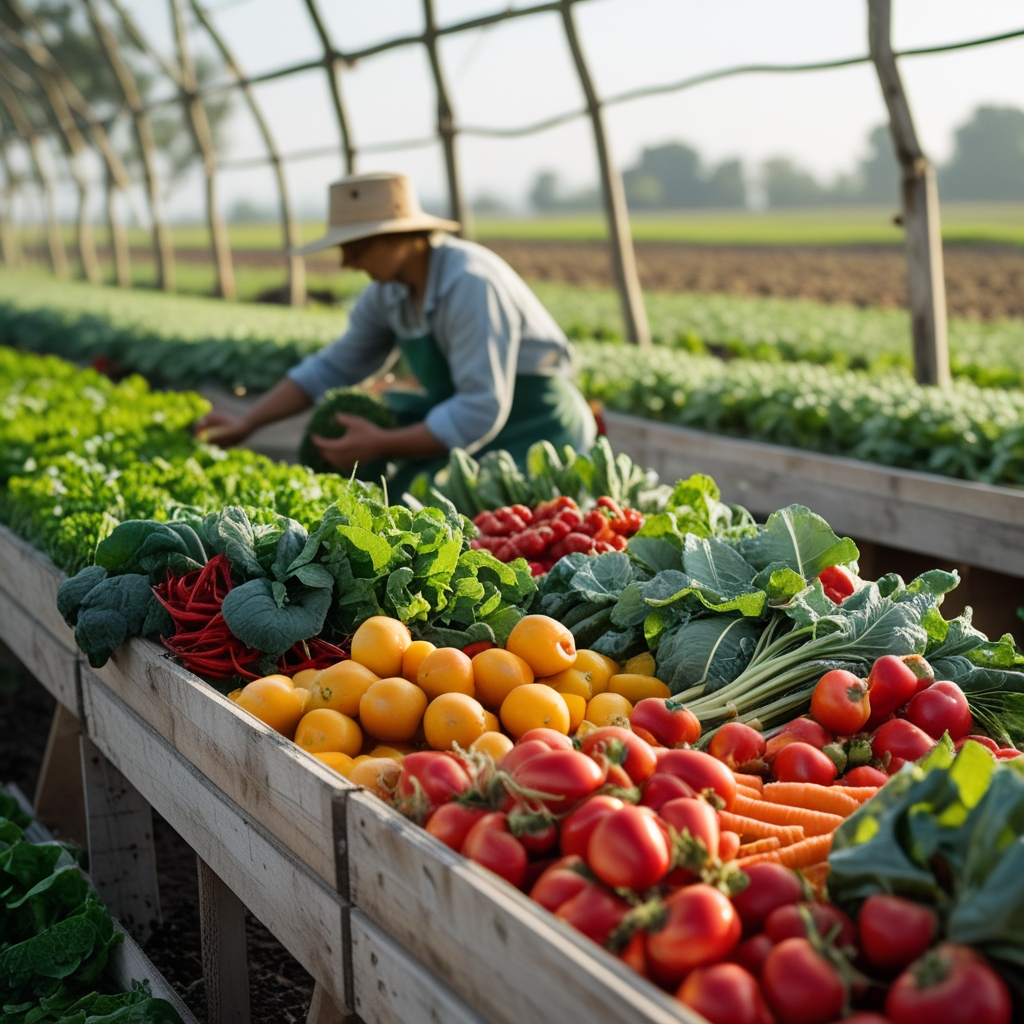
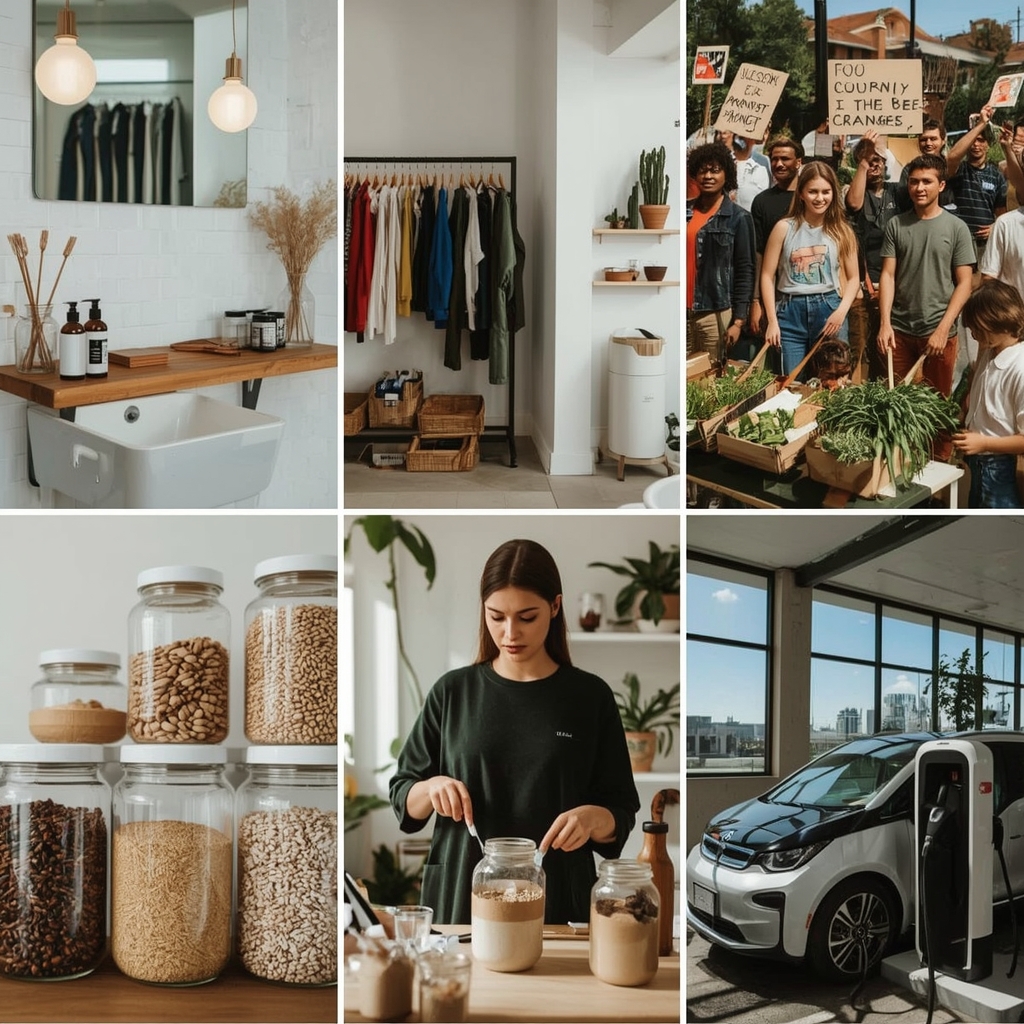
sustainable agriculture with organic farming practices, local produce, and healthy vegetables
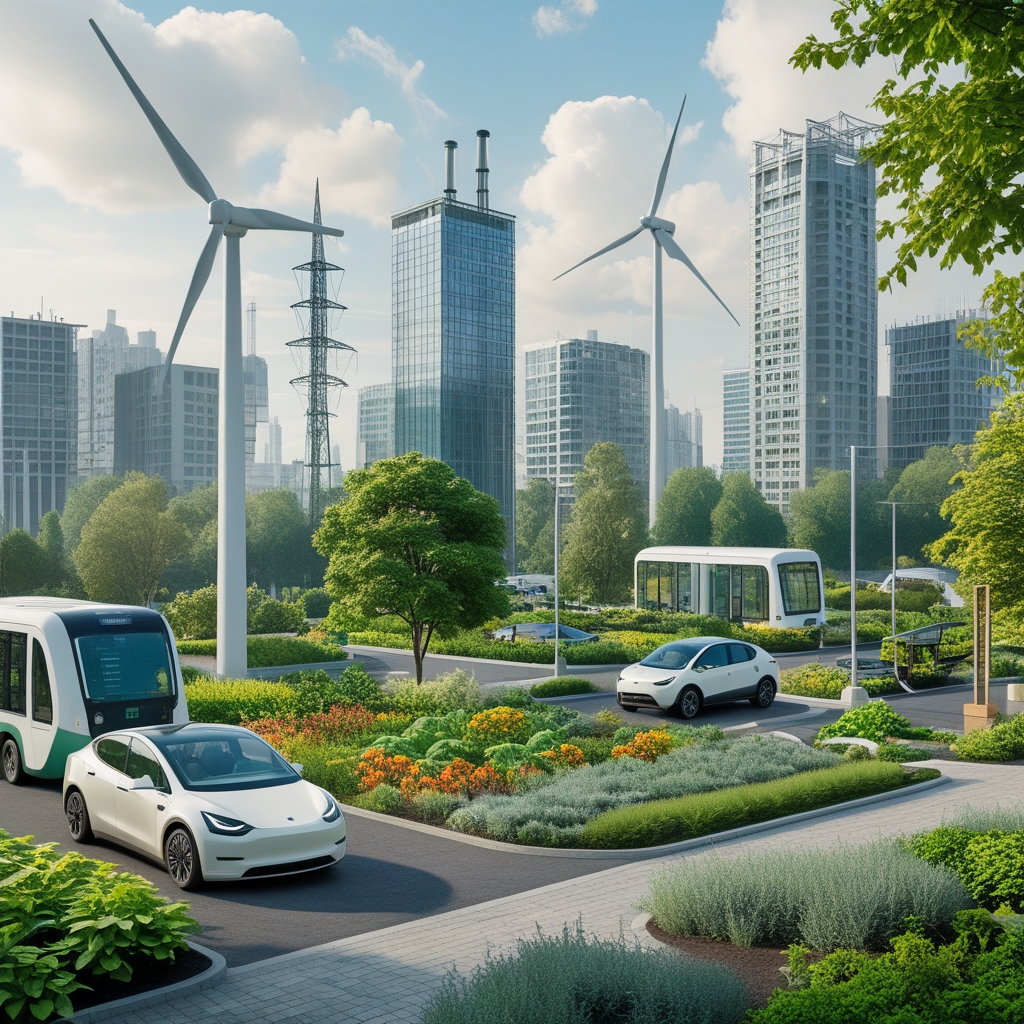
sustainable - green cityscape with renewable energy sources, electric vehicles, and urban gardens

Remember, sustainable living is not just a trend – it’s a way of life that can benefit both the planet and future generations. Let’s all do our part to create a more sustainable world for ourselves and for those who will come after us.

“Exploring the Uncharted: A Journey into the Heart of the Amazon”

Title: “Exploring the Environmental Benefits of Choosing Corrugated Packaging Solutions”

Exploring the Need for Sustainable Packaging

It is no secret that the world is grappling with a severe environmental crisis. With high consumption rates and the associated waste, we are witnessing an urgent need for sustainable practices in every sector. In this regard, the packaging industry has an important role to play. This article will be exploring the remarkable benefits of choosing corrugated packaging solutions to help combat this crisis.

What is Corrugated Packaging?

Before exploring the benefits, it’s essential to understand what exactly corrugated packaging is. Corrugated packaging, commonly referred to as cardboard, is made from three layers of paper: an inside liner, an outside liner, and a corrugated medium in between. This packaging solution is not only highly durable but also recyclable, making it an excellent eco-friendly alternative to traditional plastic packaging.

Exploring the Environmental Benefits of Corrugated Packaging

The environmental advantages of corrugated packaging are extensive. Let’s begin exploring these benefits in detail.

1. Resource Efficiency

Corrugated packaging solutions are made from a significant percentage of recycled materials. This aspect reduces the demand for virgin resources, thus preserving the environment. Also, the production process of corrugated packaging requires less energy compared to its plastic counterpart, further enhancing its environmental efficiency.

2. Recyclability

Another significant benefit worth exploring is the recyclability of corrugated packaging. These products are often made from a high percentage of recycled material, and after use, they can be easily recycled again. This cycle significantly reduces waste, unlike plastic packaging that often ends up in landfills or the ocean.

3. Biodegradability

Unlike plastic packaging, which takes hundreds of years to decompose, corrugated packaging is biodegradable. If it does end up in the environment, it will naturally decompose without leaving any harmful residue.

4. Reducing Carbon Footprint

By choosing corrugated packaging, companies can significantly reduce their carbon footprints. The production, transportation, and recycling processes of corrugated packaging emit fewer greenhouse gases compared to plastic packaging.

Exploring the Role of Corrugated Packaging in a Sustainable Future

With its numerous environmental benefits, corrugated packaging is proving to be an essential component in our journey towards sustainability. By choosing this packaging solution, businesses can significantly reduce their environmental impact while still providing durable and cost-effective packaging to their customers.

Aside from its environmental advantages, corrugated packaging also offers practical benefits. These include its lightweight nature, cost-effectiveness, and versatility in design. All these aspects make it a win-win solution for businesses and the environment alike.

Conclusion: The Power of Choice

In conclusion, the environmental benefits of corrugated packaging are clear. When it comes to packaging, the choice we make can have far-reaching impacts on our planet. By exploring and opting for sustainable solutions like corrugated packaging, we can contribute to a healthier environment and a more sustainable future.

So, next time you’re exploring packaging options for your products, remember that your choice can make a difference. Choose wisely!

Are you ready to make a sustainable switch? Explore more about corrugated packaging solutions and start your green journey today!

Beyond Box Custom: The Ultimate Brand Boost

In today’s fiercely competitive marketplace, a product’s journey from manufacturer to consumer is more than just logistics; it’s a critical branding opportunity. For businesses striving to make a lasting impression, generic, off-the-shelf packaging simply won’t cut it. This is where the strategic advantage of custom corrugated designs comes into play, transforming a mere container into a powerful marketing tool. Embracing **Beyond Box Custom** solutions allows brands to elevate their identity, captivate customers, and significantly impact their profitability.

Moving beyond basic brown boxes offers a myriad of benefits, from enhancing the unboxing experience to safeguarding products and streamlining supply chains. It’s about creating a tangible touchpoint that resonates with your brand’s values and aesthetics. Businesses that invest in tailored packaging are not just protecting their products; they are actively investing in their brand’s future, ensuring every interaction reinforces their unique selling proposition.

The Power of First Impressions: Why Beyond Box Custom Matters for Branding

First impressions are indelible, and for many products, the packaging is the very first interaction a customer has with your brand. A thoughtfully designed custom box speaks volumes before the product inside is even revealed. It communicates professionalism, attention to detail, and a commitment to quality, setting the stage for a positive customer experience.

Elevating Unboxing Experiences with Beyond Box Custom

The unboxing experience has become a cultural phenomenon, especially with the rise of e-commerce and social media. Customers often share their unboxing journeys online, providing invaluable organic marketing for your brand. Custom corrugated packaging allows you to craft a memorable, shareable moment, turning a simple delivery into an exciting event.

Imagine a box that features vibrant graphics, a silky-smooth interior, or even a personalized message. These details create anticipation and delight, making the customer feel special and valued. This emotional connection fosters brand loyalty and encourages repeat purchases, making the investment in **Beyond Box Custom** truly worthwhile.

Visual Storytelling and Brand Consistency through Custom Packaging

Your packaging is a blank canvas waiting to tell your brand’s story. From your logo and color palette to unique textures and internal compartments, every element can reinforce your brand identity. Custom designs ensure consistency across all your product lines, creating a cohesive and recognizable brand image that stands out in the market.

Whether your brand is playful and vibrant or sophisticated and minimalist, custom packaging can convey that essence immediately. This visual storytelling helps forge an emotional connection with consumers, making your brand more relatable and memorable. It’s a powerful, non-verbal communication tool that builds trust and familiarity.

Standing Out in a Crowded Market with Beyond Box Custom

In a world saturated with choices, differentiation is key to survival. Generic packaging makes your product blend into the background, while custom designs make it pop. Unique shapes, innovative opening mechanisms, or special finishes can grab attention on a retail shelf or in a stack of delivered packages.

This distinctiveness can be a significant competitive advantage, drawing new customers and reinforcing your brand’s premium positioning. Investing in **Beyond Box Custom** is an investment in market visibility and brand recall, helping you cut through the noise and capture consumer interest effectively.

Protecting Your Bottom Line with Smart Beyond Box Custom Solutions

While branding benefits are clear, custom corrugated packaging also offers substantial economic advantages. Smart design choices can lead to significant cost savings, improved efficiency, and reduced waste, directly impacting your company’s profitability and sustainability goals.

Damage Reduction and Returns Prevention

One of the most immediate financial benefits of custom packaging is superior product protection. A box designed specifically for your product’s dimensions and fragility minimizes movement during transit, drastically reducing the risk of damage. This means fewer broken items, fewer customer complaints, and a significant reduction in costly returns and replacements.

Custom inserts, dividers, and cushioning solutions ensure that even delicate items arrive intact, enhancing customer satisfaction and protecting your reputation. This proactive approach to protection saves money on shipping insurance, reverse logistics, and the labor involved in handling damaged goods, proving the value of **Beyond Box Custom**.

Optimizing Shipping and Logistics Costs

Generic boxes often lead to wasted space, requiring more void fill and increasing package dimensions and weight. Custom corrugated solutions are tailored to your product, optimizing dimensions to reduce cubic volume and overall weight. This can lead to substantial savings on shipping costs, especially for businesses shipping large volumes.

Efficiently designed packaging can also optimize pallet utilization and warehouse storage, leading to further cost reductions. By minimizing wasted space at every stage of the supply chain, custom packaging helps streamline operations and reduce overheads, making your logistics more efficient and cost-effective. This strategic optimization is a hallmark of effective **Beyond Box Custom** implementation.

Sustainable Practices and Consumer Appeal

Sustainability is no longer a niche concern; it’s a mainstream expectation. Consumers are increasingly favoring brands that demonstrate environmental responsibility. Custom corrugated packaging, made from recycled content and being fully recyclable, aligns perfectly with these values. You can further enhance your eco-friendly appeal by using sustainable inks and minimalist designs.

Communicating your commitment to sustainability through your packaging can significantly boost your brand’s appeal and attract environmentally conscious consumers. For example, studies by organizations like Statista consistently show a growing consumer preference for sustainable packaging. This not only protects the planet but also enhances your brand image and can lead to increased sales, demonstrating another facet of **Beyond Box Custom**’s impact.

Designing Your Perfect Beyond Box Custom Solution

Creating effective custom packaging involves a blend of artistic vision and practical engineering. It’s a collaborative process that brings together your brand’s needs with the expertise of packaging professionals.

Material Selection and Structural Integrity

The type of corrugated material you choose is crucial for both protection and presentation. Options range from single-wall to triple-wall, with various flute sizes offering different levels of strength and cushioning. Your product’s weight, fragility, and shipping conditions will dictate the optimal material choice. A good packaging partner will guide you through these options to ensure your **Beyond Box Custom** solution is robust and reliable.

Beyond basic brown Kraft, you can opt for white top Kraft for better print quality or specialty coatings for water resistance or enhanced durability. The structural design, including inserts and internal bracing, is equally vital to ensure your product remains secure and undamaged during its journey.

Graphic Design and Printing Techniques

Once the structure is solid, the visual design comes to life. High-quality graphic design transforms a functional box into a brand ambassador. You can choose from various printing techniques, each offering different aesthetics and cost implications.

Flexographic printing is cost-effective for larger runs and simpler designs, while lithographic (litho-laminated) printing offers photographic quality and vibrant colors, ideal for premium products. Digital printing provides flexibility for smaller runs and personalized elements. The right technique, combined with compelling graphics, makes your **Beyond Box Custom** truly shine.

The Role of Prototyping and Testing

Before committing to a large production run, prototyping and testing are essential. A physical prototype allows you to assess the design, fit, and aesthetic appeal in person. This stage helps identify any potential issues with product fit, structural integrity, or unboxing experience before costly mistakes are made.

Drop tests, compression tests, and transit simulations ensure that your custom packaging can withstand the rigors of shipping. This iterative process guarantees that your final **Beyond Box Custom** solution is not only visually appealing but also functionally superior and cost-effective.

Case Studies: Real-World Beyond Box Custom Successes

Numerous brands across various industries have leveraged custom corrugated packaging to achieve remarkable success. For instance, a luxury candle brand used custom inserts and elegant matte black boxes with foil stamping to elevate its unboxing experience, justifying a higher price point and increasing customer satisfaction.

An e-commerce clothing retailer redesigned its shipping boxes to be lighter and perfectly sized for its garments, reducing shipping costs by 15% annually while enhancing brand recognition with distinctive patterns. Even a subscription box service for gourmet snacks implemented innovative perforated designs, making their **Beyond Box Custom** solutions easy to open and reuse, garnering rave reviews from subscribers.

Implementing Beyond Box Custom: A Step-by-Step Guide

Embarking on your custom packaging journey requires a structured approach to ensure success and maximize your return on investment.

Assessing Your Needs and Goals

Begin by clearly defining what you want your custom packaging to achieve. Are you primarily focused on brand enhancement, cost reduction, product protection, or sustainability? Consider your product’s specific characteristics, your target audience, and your budget. This clarity will guide the entire design and manufacturing process for your **Beyond Box Custom** project.

Partnering with the Right Manufacturer

Choosing an experienced and reputable packaging manufacturer is paramount. Look for a partner with a strong portfolio, design capabilities, and a commitment to quality and sustainability. A good manufacturer will act as a consultant, offering expert advice on materials, design, and cost-saving opportunities. For more insights, you might refer to guides on choosing a packaging supplier.

They should be able to provide prototypes and work collaboratively with your team to refine the design until it perfectly meets your specifications. This partnership is key to unlocking the full potential of **Beyond Box Custom**.

Continuous Improvement and Feedback

The packaging journey doesn’t end after the first production run. Gather feedback from customers, sales teams, and logistics partners. Monitor shipping damage rates, unboxing experiences, and overall customer satisfaction. Use this data to continually refine and improve your custom packaging designs.

Markets evolve, and so should your packaging. Regular reviews ensure your **Beyond Box Custom** solutions remain relevant, effective, and aligned with your brand’s evolving needs and consumer expectations. This iterative process ensures long-term success.

Conclusion

In a world where every detail counts, custom corrugated packaging is far more than a protective shell; it’s a strategic asset that profoundly impacts your brand and bottom line. By embracing **Beyond Box Custom** solutions, businesses can create unforgettable unboxing experiences, tell compelling brand stories, and differentiate themselves in crowded markets. Simultaneously, optimized designs reduce damage, cut shipping costs, and promote sustainability, all contributing to increased profitability and customer loyalty.

Investing in custom packaging is an investment in your brand’s future, transforming a functional necessity into a powerful marketing and operational advantage. Don’t let your packaging be an afterthought; make it a cornerstone of your brand strategy. Are you ready to elevate your brand and protect your profits with custom corrugated solutions? Contact a packaging expert today to explore how **Beyond Box Custom** can revolutionize your business!

Corrugated: The Unsung Hero of Packaging

In an era defined by rapid technological advancement and an ever-growing environmental consciousness, the world of e-commerce has exploded, bringing with it both unprecedented convenience and significant challenges. One of the most pressing concerns in this digital shopping revolution is the sheer volume of packaging waste generated. Yet, amidst the mountains of boxes and void fill, an unsung hero quietly leads the charge towards a more sustainable future: **Corrugated** packaging. Far from being just a simple brown box, this versatile material is proving to be a cornerstone of eco-friendly e-commerce, drastically reducing waste and reshaping how businesses approach their environmental responsibilities.

As consumers increasingly prioritize sustainability, businesses are under immense pressure to adopt greener practices. From sourcing to delivery, every step of the e-commerce supply chain is scrutinized, and packaging often takes center stage. This is where the inherent advantages of **corrugated** shine, offering a powerful blend of protection, efficiency, and unparalleled environmental benefits that position it as the leading solution for modern, responsible online retail.

The E-commerce Revolution and Its Packaging Predicament

The digital marketplace has fundamentally transformed consumer behavior, making online shopping a daily reality for billions. This convenience, however, comes with a substantial environmental footprint. The sheer volume of goods shipped daily translates into an equally staggering amount of packaging material.

Traditional packaging solutions, often reliant on single-use plastics and non-recyclable composites, have contributed significantly to landfill waste and pollution. Consumers are becoming acutely aware of this impact, and their purchasing decisions are increasingly influenced by a brand’s commitment to sustainability. This growing demand for eco-friendly alternatives has propelled **corrugated** packaging into the spotlight as a viable, scalable, and genuinely sustainable option.

Why Corrugated Stands Out as a Sustainable Choice

The sustainability credentials of **corrugated** board are robust, rooted in its material composition and its place within the circular economy. Its design and functionality make it inherently superior to many alternatives when environmental impact is considered.

Renewable and Recyclable Nature of Corrugated

One of the most compelling aspects of **corrugated** packaging is its origin. Primarily made from wood fibers, a renewable resource, and a significant percentage of recycled paper, it embodies the principles of responsible resource management. The forestry industry, particularly in developed nations, often adheres to sustainable practices, ensuring that trees are replanted faster than they are harvested.

Furthermore, **corrugated** boasts an impressive recycling rate, consistently ranking among the highest of any packaging material. Once used, these boxes can be collected, processed, and transformed back into new paper products, including fresh **corrugated** board. This closed-loop system significantly reduces the demand for virgin materials, conserves natural resources, and diverts vast quantities of waste from landfills, making **corrugated** a true champion of circularity.

Lightweight and Efficient for Shipping

In the logistics-heavy world of e-commerce, every gram counts. **Corrugated** packaging offers an excellent strength-to-weight ratio, providing robust protection for products without adding unnecessary bulk. This inherent lightness translates directly into reduced fuel consumption during transportation.

Lighter packages mean less energy expended by delivery vehicles, leading to a smaller carbon footprint per shipment. Moreover, the stackability and uniform dimensions of **corrugated** boxes allow for optimized loading and efficient use of cargo space, further enhancing logistical efficiency and reducing the overall environmental impact associated with shipping goods across vast distances. The careful design of **corrugated** solutions contributes directly to these efficiencies.

Durability and Product Protection

A crucial, yet often overlooked, aspect of sustainable packaging is its ability to protect the product it contains. Damaged goods lead to returns, re-shipments, and ultimately, product waste. **Corrugated** packaging excels in this regard, offering superior cushioning and structural integrity that safeguards items from the rigors of transit.

Its fluted design provides exceptional shock absorption, protecting delicate items from impacts and vibrations. By minimizing product damage, **corrugated** boxes contribute significantly to waste reduction not just in terms of packaging, but also by preventing the premature disposal of products themselves. This reliability makes **corrugated** an indispensable material for businesses aiming to reduce waste across their entire supply chain.

Corrugated Packaging: A Game-Changer for E-commerce

Beyond its inherent sustainability, **corrugated** packaging offers distinct advantages that directly benefit e-commerce businesses, improving both operational efficiency and customer satisfaction.

Customization and Right-Sizing Packaging

One of the most significant innovations in **corrugated** packaging for e-commerce is the ability to customize box sizes. Traditional packaging often meant using oversized boxes filled with excessive void fill materials like plastic peanuts or bubble wrap, which are environmentally harmful and frustrating for consumers.

Modern **corrugated** manufacturing allows for precise tailoring of box dimensions to fit specific products, often referred to as “right-sizing.” This dramatically reduces the need for void fill, cutting down on plastic waste and optimizing shipping space. Custom-sized **corrugated** boxes also provide better product protection and present a more professional, eco-conscious image to the customer.

Enhanced Customer Experience and Brand Storytelling

The “unboxing experience” has become a vital component of e-commerce, offering a unique opportunity for brands to connect with their customers. **Corrugated** packaging is an ideal canvas for this, allowing for high-quality printing, custom designs, and engaging messaging. Brands can use the inside or outside of their **corrugated** boxes to tell their sustainability story, share recycling instructions, or simply delight customers with thoughtful aesthetics.

Consumers are increasingly appreciative of brands that demonstrate environmental responsibility. Receiving a product in a well-designed, easily recyclable **corrugated** box reinforces a positive brand image and encourages repeat business. This thoughtful approach to packaging transforms a simple delivery into a memorable brand interaction, making **corrugated** a powerful marketing tool.

Cost-Effectiveness and Operational Efficiency

While often perceived as a premium choice, **corrugated** packaging can be highly cost-effective in the long run. Its lightweight nature reduces shipping costs, and the ability to right-size minimizes expenses associated with void fill materials. Furthermore, the efficiency of packing operations can be significantly improved with well-designed **corrugated** solutions.

Automated packing lines are often optimized for **corrugated** boxes, speeding up fulfillment processes and reducing labor costs. The global availability and mature supply chain for **corrugated** materials also contribute to competitive pricing, making it an economically sound choice for businesses of all sizes. The overall efficiency gains from using **corrugated** contribute to a leaner, greener operation.

Innovations in Corrugated for a Greener Future

The industry is not resting on its laurels; continuous innovation is further enhancing the sustainability and utility of **corrugated** packaging.

Advanced Coatings and Barrier Technologies

Historically, certain applications required plastic or wax coatings on **corrugated** to provide moisture or grease resistance, which complicated recycling. However, advancements in material science have led to the development of biodegradable, repulpable, and recyclable coatings. These innovative barriers allow **corrugated** to be used for a wider range of products, including those requiring protection from liquids or oils, without compromising its end-of-life recyclability.

These new coatings ensure that the entire **corrugated** package remains within the recycling stream, further solidifying its position as an eco-friendly material. Such innovations are critical for expanding the utility of **corrugated** in diverse e-commerce sectors, from food delivery to personal care products.

Smart Packaging and IoT Integration

The future of packaging is not just about protection but also about intelligence. **Corrugated** packaging is increasingly being integrated with smart technologies, such as RFID tags, QR codes, and even embedded sensors. These innovations can provide real-time tracking, monitor environmental conditions within the package (temperature, humidity), and offer interactive experiences for consumers.

This “smart **corrugated**” enhances supply chain transparency, reduces waste from spoilage or theft, and provides valuable data for optimizing logistics. For example, knowing the exact conditions a package endured can help improve future packaging designs and handling protocols, further contributing to waste reduction efforts.

Designing for Circularity with Corrugated

A key focus in modern packaging design is “designing for circularity,” meaning that products and packaging are conceived with their entire life cycle in mind, from creation to reuse or recycling. **Corrugated** is inherently well-suited for this approach.

Designers are now creating **corrugated** packages that are easier to flatten and recycle, some even incorporating features for multiple uses before final recycling. This includes modular designs or features that allow consumers to easily repurpose the box. By prioritizing the end-of-life journey of **corrugated**, the industry is ensuring that this material continues to play a central role in a truly circular economy. This focus amplifies the sustainability benefits of **corrugated** even further.

Addressing Common Misconceptions About Corrugated

Despite its many advantages, some misconceptions about **corrugated** packaging persist. Addressing these can help solidify its status as a premier sustainable choice.

Is it strong enough?

A common concern is whether **corrugated** is durable enough to protect products, especially fragile or heavy items. The truth is that **corrugated** board comes in various grades and fluting profiles, each engineered for different strength requirements. From single-wall to triple-wall constructions, **corrugated** can be designed to withstand significant compressive forces and impacts.

Engineers carefully select the appropriate **corrugated** grade based on product weight, fragility, and shipping conditions. This ensures optimal protection while avoiding over-packaging. The perception that **corrugated** is weak is largely outdated, as modern materials and designs offer exceptional performance.

Is it truly sustainable compared to other options?

When comparing **corrugated** to other materials like plastics, compostable packaging, or even reusable options, a comprehensive life cycle assessment (LCA) is crucial. LCAs often show that **corrugated** has a favorable environmental footprint due to its high recyclability, renewable resource base, and efficient production processes.

While compostable materials are gaining traction, their effectiveness often depends on access to industrial composting facilities, which are not universally available. Reusable packaging, while ideal, requires complex reverse logistics and cleaning processes that can incur their own environmental costs. In many scenarios, the balance of environmental benefits, cost, and practicality positions **corrugated** as the most consistently sustainable and scalable solution for e-commerce.

The Broader Impact: Reducing Waste Across the Supply Chain

The impact of **corrugated** packaging extends far beyond just the box itself. Its adoption creates a ripple effect of waste reduction throughout the entire supply chain. By minimizing product damage, fewer items need to be manufactured, shipped, and ultimately discarded. This directly reduces raw material consumption and manufacturing waste.

The efficiency gains from lightweight and optimized **corrugated** designs lead to fewer vehicles on the road and lower fuel consumption, cutting down on emissions and resource waste. Furthermore, the robust recycling infrastructure for **corrugated** means that a significant portion of packaging material is continually reintroduced into the production cycle, preventing it from ending up in landfills or polluting natural environments. This holistic approach to waste reduction underscores the profound positive influence of choosing **corrugated** as a primary packaging material.

Embracing **corrugated** is not just a packaging decision; it’s a strategic move towards a more sustainable business model overall, aligning with global efforts to combat climate change and resource depletion.

Conclusion

In the dynamic landscape of modern e-commerce, the pressure to adopt sustainable practices has never been greater. **Corrugated** packaging, often overlooked in its simplicity, has emerged as a true leader in this charge, proving itself to be the unsung hero of packaging. Its inherent recyclability, renewable resource base, lightweight efficiency, and unparalleled protective qualities make it an indispensable tool for businesses striving to reduce their environmental footprint and minimize waste.

From enabling customized, right-sized solutions that eliminate void fill to providing a canvas for engaging brand storytelling, **corrugated** delivers tangible benefits that resonate with both businesses and environmentally conscious consumers. With ongoing innovations in coatings, smart technology, and circular design, the future of **corrugated** is even brighter, promising increasingly sophisticated and sustainable solutions. As we look towards a greener future for online retail, the choice is clear: embracing **corrugated** packaging is a pivotal step towards reducing waste and building a more responsible, sustainable e-commerce ecosystem. We encourage businesses to explore the full potential of **corrugated** solutions and join the movement towards a more sustainable planet.

The Ultimate Guide to Sustainable Living

Title: The Ultimate Guide to Sustainable Living

In today’s world, the concept of sustainability has become more important than ever. As we face the challenges of climate change, resource depletion, and environmental degradation, it is crucial for individuals and communities to embrace sustainable practices in all aspects of life. From the way we eat and shop to how we travel and work, there are countless ways to make a positive impact on the planet. In this comprehensive guide, we will explore what sustainable living is, why it matters, and how you can incorporate sustainable practices into your daily routine.

### Understanding Sustainable Living

At its core, sustainable living is about meeting the needs of the present without compromising the ability of future generations to meet their own needs. It involves making choices that minimize our environmental impact, preserve natural resources, and promote social equity. Whether it’s reducing waste, conserving energy, or supporting eco-friendly businesses, every small action adds up to make a big difference.

### Why Sustainable Living Matters

The need for sustainable living has never been more urgent. Climate change is already having devastating effects on our planet, from rising sea levels to extreme weather events. By adopting sustainable practices, we can help mitigate these impacts and create a healthier, more resilient world for future generations. Sustainable living also promotes social justice by ensuring that all people have access to clean air, water, and food.

### How to Live Sustainably

There are countless ways to incorporate sustainable practices into your daily life. Start by reducing your energy consumption, recycling and composting, and choosing products with minimal packaging. Consider switching to renewable energy sources like solar or wind power, supporting local farmers and businesses, and using public transportation or biking instead of driving. Every choice you make has the power to create positive change.

### The Benefits of Sustainable Living

Living sustainably not only helps protect the environment and support social justice, but it also has numerous personal benefits. By reducing your carbon footprint, you can save money on energy bills, improve your health by eating fresh, organic foods, and create a more connected community by supporting local businesses. Sustainable living is not just good for the planet – it’s good for you, too.

### Conclusion

In conclusion, sustainable living is not just a trend – it’s a necessity. By making conscious choices in our daily lives, we can help build a more sustainable future for all. From reducing waste to supporting renewable energy, there are countless ways to make a positive impact on the planet. So, let’s all do our part to live sustainably and create a better world for generations to come.

sustainable agriculture practices in action on a small family farm, solar-powered irrigation system in a lush green field, ha

sustainable transportation options including electric vehicles, bike sharing program, and public transportation, people walki

กล่องกระดาษลูกฟูกสั่งผลิต: ลดต้นทุน เพิ่มมูลค่าแบรนด์ให้ธุรกิจในกรุงเทพฯ

ในโลกธุรกิจที่มีการแข่งขันสูงในปัจจุบัน โดยเฉพาะอย่างยิ่งในมหานครอย่างกรุงเทพฯ การสร้างความแตกต่างและเพิ่มมูลค่าให้กับแบรนด์เป็นสิ่งจำเป็นอย่างยิ่ง หนึ่งในกลยุทธ์ที่หลายธุรกิจอาจมองข้ามไป แต่กลับมีศักยภาพมหาศาลคือการใช้บรรจุภัณฑ์ที่เหมาะสม และนี่คือที่มาของความสำคัญของ กล่องกระดาษลูกฟูกสั่งผลิต: ลดต้นทุน เพิ่มมูลค่าแบรนด์ให้ธุรกิจในกรุงเทพฯ ที่สามารถพลิกโฉมการดำเนินงานของคุณได้อย่างแท้จริง ไม่ว่าธุรกิจของคุณจะเป็นขนาดเล็ก กลาง หรือใหญ่ การลงทุนในบรรจุภัณฑ์ที่ออกแบบมาโดยเฉพาะจะช่วยให้คุณประหยัดค่าใช้จ่ายในระยะยาว พร้อมทั้งสร้างความประทับใจไม่รู้ลืมให้กับลูกค้าของคุณ

ความสำคัญของ กล่องกระดาษลูกฟูกสั่งผลิต: ลดต้นทุน เพิ่มมูลค่าแบรนด์ให้ธุรกิจในกรุงเทพฯ

ธุรกิจในกรุงเทพฯ เผชิญกับความท้าทายและโอกาสที่ไม่เหมือนใคร การขนส่งสินค้าในเมืองที่หนาแน่น การแข่งขันจากคู่แข่งจำนวนมาก และความคาดหวังของลูกค้าที่สูงขึ้น ล้วนเป็นปัจจัยที่ต้องพิจารณา การเลือกใช้กล่องกระดาษลูกฟูกสั่งผลิตจึงไม่ใช่แค่เรื่องของการหีบห่อสินค้า แต่เป็นการลงทุนเชิงกลยุทธ์ที่ส่งผลกระทบต่อหลายมิติของธุรกิจ

การแข่งขันในตลาดกรุงเทพฯ ที่ดุเดือด

กรุงเทพฯ เป็นศูนย์กลางเศรษฐกิจที่มีธุรกิจหลากหลายประเภท ตั้งแต่ร้านค้าปลีกขนาดเล็กไปจนถึงบริษัทอีคอมเมิร์ซขนาดใหญ่ การสร้างความโดดเด่นท่ามกลางการแข่งขันที่รุนแรงเป็นสิ่งสำคัญ กล่องกระดาษลูกฟูกสั่งผลิตช่วยให้ธุรกิจของคุณมีเอกลักษณ์เฉพาะตัว ทำให้สินค้าของคุณเป็นที่จดจำและแตกต่างจากคู่แข่งได้ทันทีที่ลูกค้าเห็นบรรจุภัณฑ์

มากกว่าแค่การป้องกัน: โอกาสในการสร้างแบรนด์

หน้าที่หลักของบรรจุภัณฑ์คือการปกป้องสินค้า แต่กล่องกระดาษลูกฟูกสั่งผลิตสามารถทำได้มากกว่านั้นมาก ด้วยการออกแบบที่กำหนดเอง คุณสามารถเปลี่ยนกล่องธรรมดาให้เป็นเครื่องมือทางการตลาดที่มีประสิทธิภาพ พิมพ์โลโก้ สโลแกน หรือแม้กระทั่งเรื่องราวของแบรนด์ลงบนกล่อง เพื่อสร้างประสบการณ์ที่น่าจดจำให้กับลูกค้าทุกครั้งที่ได้รับสินค้า นี่คือหัวใจสำคัญของ กล่องกระดาษลูกฟูกสั่งผลิต: ลดต้นทุน เพิ่มมูลค่าแบรนด์ให้ธุรกิจในกรุงเทพฯ

ลดต้นทุนด้วย กล่องกระดาษลูกฟูกสั่งผลิต: ลดต้นทุน เพิ่มมูลค่าแบรนด์ให้ธุรกิจในกรุงเทพฯ

หลายคนอาจคิดว่าการสั่งผลิตกล่องกระดาษลูกฟูกตามสั่งมีราคาแพงกว่าการซื้อกล่องสำเร็จรูป แต่ในความเป็นจริงแล้ว หากพิจารณาในระยะยาว การสั่งผลิตสามารถช่วยลดต้นทุนให้กับธุรกิจของคุณได้อย่างมีนัยสำคัญ

ขนาดที่เหมาะสมและการใช้วัสดุอย่างมีประสิทธิภาพ

การใช้กล่องสำเร็จรูปที่มีขนาดใหญ่เกินไปสำหรับสินค้าของคุณ ทำให้ต้องใช้พื้นที่จัดเก็บและพื้นที่ในการขนส่งมากขึ้น ซึ่งนำไปสู่ต้นทุนที่สูงขึ้นโดยไม่จำเป็น กล่องกระดาษลูกฟูกสั่งผลิตช่วยให้คุณได้กล่องที่มีขนาดพอดีกับสินค้าของคุณ ช่วยประหยัดค่าขนส่ง ลดการใช้วัสดุกันกระแทกที่ไม่จำเป็น และเพิ่มประสิทธิภาพในการจัดเรียงสินค้าในคลังและการขนส่ง

ลดความเสียหายและการส่งคืนสินค้า

กล่องที่ออกแบบมาเฉพาะสำหรับสินค้าของคุณจะช่วยปกป้องสินค้าได้ดีกว่ากล่องทั่วไป ลดความเสี่ยงของความเสียหายระหว่างการขนส่ง ซึ่งหมายถึงการลดต้นทุนที่เกิดจากการเคลมสินค้า การส่งคืน หรือการเปลี่ยนสินค้าใหม่ การลดอัตราความเสียหายยังช่วยรักษาชื่อเสียงของแบรนด์ และลดความไม่พอใจของลูกค้าได้อีกด้วย

การสั่งซื้อจำนวนมากและความสัมพันธ์กับซัพพลายเออร์

เมื่อคุณสั่งผลิตกล่องกระดาษลูกฟูกในปริมาณมาก คุณมักจะได้รับราคาต่อหน่วยที่ถูกลง นอกจากนี้ การสร้างความสัมพันธ์ที่ดีกับผู้ผลิตในกรุงเทพฯ จะช่วยให้คุณได้รับบริการที่ดีขึ้น ข้อเสนอพิเศษ และความยืดหยุ่นในการปรับเปลี่ยนคำสั่งซื้อในอนาคต นี่คือประโยชน์โดยตรงของ กล่องกระดาษลูกฟูกสั่งผลิต: ลดต้นทุน เพิ่มมูลค่าแบรนด์ให้ธุรกิจในกรุงเทพฯ

เพิ่มมูลค่าแบรนด์ด้วย กล่องกระดาษลูกฟูกสั่งผลิต: ลดต้นทุน เพิ่มมูลค่าแบรนด์ให้ธุรกิจในกรุงเทพฯ

นอกจากการลดต้นทุนแล้ว กล่องกระดาษลูกฟูกสั่งผลิตยังเป็นเครื่องมืออันทรงพลังในการสร้างและเพิ่มมูลค่าให้กับแบรนด์ของคุณในใจของลูกค้า

ความประทับใจแรกนั้นสำคัญเสมอ

บรรจุภัณฑ์คือจุดสัมผัสแรกที่ลูกค้ามีต่อสินค้าของคุณ (นอกเหนือจากเว็บไซต์หรือหน้าร้าน) กล่องที่ออกแบบมาอย่างสวยงามและมีคุณภาพ จะสร้างความประทับใจแรกที่ดีเยี่ยม สะท้อนถึงความเป็นมืออาชีพและความใส่ใจในรายละเอียดของแบรนด์คุณ ลูกค้าจะรู้สึกตื่นเต้นและได้รับประสบการณ์ที่ดีตั้งแต่แกะกล่อง

การสร้างแบรนด์และการตลาดบนกล่อง

ลองนึกภาพกล่องที่ไม่ได้มีแค่โลโก้ แต่มีการพิมพ์ลวดลาย สีสัน หรือแม้กระทั่งข้อความที่สื่อถึงเอกลักษณ์ของแบรนด์ กล่องกระดาษลูกฟูกสั่งผลิตช่วยให้คุณสามารถทำสิ่งเหล่านี้ได้ กล่องกลายเป็น “ป้ายโฆษณาเคลื่อนที่” ที่สร้างการรับรู้และจดจำแบรนด์ได้ทุกที่ที่มันถูกจัดส่ง การออกแบบที่น่าสนใจยังส่งเสริมให้ลูกค้าถ่ายรูปและแชร์บนโซเชียลมีเดีย ซึ่งเป็นการตลาดแบบปากต่อปากที่มีประสิทธิภาพสูง

ประสบการณ์ลูกค้าและความภักดี

การลงทุนในบรรจุภัณฑ์ที่น่าประทับใจเป็นการแสดงออกถึงความใส่ใจในลูกค้า ประสบการณ์การแกะกล่อง (unboxing experience) ที่ดี สามารถสร้างความผูกพันทางอารมณ์กับแบรนด์ได้ ทำให้ลูกค้ารู้สึกพิเศษและมีแนวโน้มที่จะกลับมาซื้อซ้ำ และแนะนำแบรนด์ของคุณให้กับผู้อื่น นี่คือการเพิ่มมูลค่าแบรนด์ที่ยั่งยืนผ่าน กล่องกระดาษลูกฟูกสั่งผลิต: ลดต้นทุน เพิ่มมูลค่าแบรนด์ให้ธุรกิจในกรุงเทพฯ

A customer happily unboxing a custom-designed corrugated box with a vibrant brand logo and unique patterns, revealing a produ

ปัจจัยที่ต้องพิจารณาเมื่อสั่ง กล่องกระดาษลูกฟูกสั่งผลิต: ลดต้นทุน เพิ่มมูลค่าแบรนด์ให้ธุรกิจในกรุงเทพฯ

เพื่อให้ได้กล่องที่ตอบโจทย์ความต้องการของธุรกิจคุณอย่างแท้จริง มีหลายปัจจัยที่คุณควรพิจารณาก่อนตัดสินใจสั่งผลิต

ประเภทวัสดุและลอนกระดาษลูกฟูก

กระดาษลูกฟูกมีหลายประเภทและหลายความหนา (ลอน) เช่น ลอน B, ลอน C, ลอน E หรือลอน BC แต่ละประเภทมีคุณสมบัติในการรับแรงกระแทกและความแข็งแรงแตกต่างกัน การเลือกประเภทและลอนที่เหมาะสมกับน้ำหนักและลักษณะของสินค้าเป็นสิ่งสำคัญ เพื่อให้มั่นใจว่าสินค้าของคุณจะได้รับการปกป้องอย่างดีที่สุด

ตัวเลือกการพิมพ์และการตกแต่ง

การพิมพ์มีตั้งแต่การพิมพ์สีเดียวไปจนถึงการพิมพ์สี Full Color คุณสามารถเลือกเทคนิคการพิมพ์ที่เหมาะสมกับงบประมาณและการออกแบบของคุณ นอกจากนี้ยังมีตัวเลือกการตกแต่งอื่นๆ เช่น การเคลือบเงา เคลือบด้าน หรือการปั๊มฟอยล์ เพื่อเพิ่มความหรูหราและโดดเด่นให้กับกล่องของคุณ การเลือกที่เหมาะสมจะช่วยเสริมภาพลักษณ์ของ กล่องกระดาษลูกฟูกสั่งผลิต: ลดต้นทุน เพิ่มมูลค่าแบรนด์ให้ธุรกิจในกรุงเทพฯ ได้อย่างมาก

การออกแบบและการใช้งาน

การออกแบบกล่องไม่ได้มีแค่เรื่องของความสวยงาม แต่ยังรวมถึงฟังก์ชันการใช้งานด้วย พิจารณาว่ากล่องของคุณจำเป็นต้องมีหูหิ้ว ช่องแบ่งด้านใน หรือการเปิด-ปิดที่ง่ายต่อการใช้งานหรือไม่ การออกแบบที่คำนึงถึงผู้ใช้งานจะช่วยเพิ่มความสะดวกสบายและสร้างประสบการณ์ที่ดีให้กับลูกค้า

การเลือกผู้ผลิตที่เหมาะสมในกรุงเทพฯ

การเลือกผู้ผลิตกล่องกระดาษลูกฟูกในกรุงเทพฯ ที่มีความน่าเชื่อถือและมีประสบการณ์เป็นสิ่งสำคัญ ควรพิจารณาจากคุณภาพของวัสดุ เทคนิคการพิมพ์ที่หลากหลาย ความสามารถในการผลิตตามกำหนดเวลา และบริการหลังการขายที่ดี การมีผู้ผลิตที่เข้าใจความต้องการของธุรกิจในกรุงเทพฯ จะช่วยให้กระบวนการสั่งผลิตราบรื่นและได้ผลลัพธ์ที่น่าพอใจ

A group of packaging designers and business owners in a modern meeting room in Bangkok, reviewing various corrugated box prot

กรณีศึกษา: ธุรกิจที่ได้รับประโยชน์จาก กล่องกระดาษลูกฟูกสั่งผลิต: ลดต้นทุน เพิ่มมูลค่าแบรนด์ให้ธุรกิจในกรุงเทพฯ

หลายธุรกิจในกรุงเทพฯ ได้พิสูจน์แล้วว่าการลงทุนในกล่องกระดาษลูกฟูกสั่งผลิตนั้นคุ้มค่าจริง

ธุรกิจ E-commerce

สำหรับธุรกิจ E-commerce ที่มีการจัดส่งสินค้าจำนวนมาก การใช้กล่องที่พอดีกับสินค้าช่วยลดต้นทุนค่าขนส่งได้อย่างมหาศาล และยังช่วยลดความเสียหายของสินค้า ซึ่งเป็นสิ่งสำคัญในการสร้างความพึงพอใจให้กับลูกค้า การพิมพ์แบรนด์บนกล่องยังเป็นโอกาสในการสร้างการจดจำและกระตุ้นให้ลูกค้ากลับมาซื้อซ้ำ

อุตสาหกรรมอาหารและเครื่องดื่ม

ธุรกิจอาหารและเครื่องดื่มในกรุงเทพฯ มักต้องการบรรจุภัณฑ์ที่แข็งแรง ปลอดภัย และสามารถรักษาอุณหภูมิได้ในระดับหนึ่ง กล่องกระดาษลูกฟูกสั่งผลิตสามารถออกแบบให้มีคุณสมบัติพิเศษเหล่านี้ได้ เช่น การเคลือบกันน้ำ หรือการออกแบบให้สามารถใส่ถุงเก็บความเย็นได้ นอกจากนี้ การออกแบบที่น่าดึงดูดยังช่วยกระตุ้นยอดขายในร้านค้าและบริการจัดส่ง

ธุรกิจค้าปลีกและสินค้าอุปโภคบริโภค

ในร้านค้าปลีก กล่องบรรจุภัณฑ์คือส่วนหนึ่งของประสบการณ์การช้อปปิ้ง กล่องที่ออกแบบมาอย่างดีและมีคุณภาพสูงจะช่วยเพิ่มมูลค่าให้กับสินค้า สร้างความรู้สึกพรีเมียม และกระตุ้นการตัดสินใจซื้อของลูกค้า การใช้ กล่องกระดาษลูกฟูกสั่งผลิต: ลดต้นทุน เพิ่มมูลค่าแบรนด์ให้ธุรกิจในกรุงเทพฯ จึงเป็นกลยุทธ์สำคัญในการสร้างความแตกต่างในตลาด

สรุป: การลงทุนที่คุ้มค่าสำหรับธุรกิจในกรุงเทพฯ

ในท้ายที่สุดแล้ว การเลือกใช้ กล่องกระดาษลูกฟูกสั่งผลิต: ลดต้นทุน เพิ่มมูลค่าแบรนด์ให้ธุรกิจในกรุงเทพฯ ไม่ใช่แค่การตัดสินใจเรื่องบรรจุภัณฑ์ แต่เป็นการลงทุนเชิงกลยุทธ์ที่สามารถสร้างผลตอบแทนที่คุ้มค่าให้กับธุรกิจของคุณได้อย่างยั่งยืน ตั้งแต่การลดต้นทุนการดำเนินงาน การลดความเสียหายของสินค้า ไปจนถึงการสร้างความประทับใจให้กับลูกค้าและเสริมสร้างภาพลักษณ์แบรนด์ให้แข็งแกร่งขึ้น

การพิจารณาปัจจัยต่างๆ อย่างรอบคอบ ตั้งแต่ประเภทวัสดุ การออกแบบ การพิมพ์ และการเลือกผู้ผลิตที่เหมาะสม จะช่วยให้คุณได้กล่องกระดาษลูกฟูกที่ตอบโจทย์ความต้องการเฉพาะของธุรกิจคุณได้อย่างแท้จริง อย่ามองข้ามพลังของบรรจุภัณฑ์ เพราะมันคือหน้าตาของธุรกิจคุณ และเป็นเครื่องมือสำคัญในการขับเคลื่อนความสำเร็จในตลาดกรุงเทพฯ ที่มีการแข่งขันสูง

หากคุณกำลังมองหาโซลูชั่นบรรจุภัณฑ์ที่จะช่วยให้ธุรกิจของคุณเติบโตอย่างยั่งยืนในกรุงเทพฯ และต้องการใช้ กล่องกระดาษลูกฟูกสั่งผลิต: ลดต้นทุน เพิ่มมูลค่าแบรนด์ให้ธุรกิจในกรุงเทพฯ อย่ารอช้า! ติดต่อผู้เชี่ยวชาญด้านบรรจุภัณฑ์วันนี้ เพื่อค้นหาแนวทางที่ดีที่สุดสำหรับธุรกิจของคุณ

5 Innovative Ways to Revolutionize Your Business Strategy

Title: 5 Innovative Ways to Revolutionize Your Business Strategy

In today’s fast-paced and ever-evolving business landscape, innovation is key to staying ahead of the competition. Being innovative not only sets your business apart but also drives growth, increases efficiency, and boosts overall success. In this article, we will explore five innovative ways to revolutionize your business strategy and take your company to new heights.

1. Embrace Technology Integration
One of the most effective ways to innovate your business strategy is by embracing technology integration. Technology is constantly evolving and can provide countless opportunities for streamlining processes, improving communication, and enhancing customer experiences. By incorporating the latest tech solutions into your operations, you can stay ahead of the curve and position your business for long-term success. Whether it’s implementing AI-powered tools, adopting cloud-based systems, or leveraging data analytics, technology integration can transform the way you do business.

2. Foster a Culture of Innovation
Innovation starts from within, and fostering a culture of innovation within your organization is crucial. Encourage creativity, experimentation, and out-of-the-box thinking among your team members. Create a safe space for sharing ideas, taking risks, and learning from failures. By empowering your employees to think innovatively, you can unlock new solutions, products, and services that drive business growth. Remember, innovation is a team effort, and by cultivating a culture that values creativity and innovation, you can propel your business forward.

3. Customer-Centric Approach
Another innovative way to revolutionize your business strategy is by adopting a customer-centric approach. In today’s hyper-competitive market, putting your customers at the center of everything you do is essential. Listen to their feedback, understand their needs, and tailor your products or services to meet their expectations. By focusing on delivering exceptional customer experiences, you can build loyalty, attract new customers, and differentiate your brand from competitors. Utilize customer data and feedback to continuously improve and innovate your offerings to stay ahead of the curve.

4. Collaborate with Industry Leaders
Collaboration is key to driving innovation in business. Partnering with industry leaders, experts, or even startups can provide fresh perspectives, insights, and opportunities for growth. By collaborating with like-minded organizations, you can leverage their expertise, resources, and networks to innovate your products, services, or processes. Look for strategic partnerships that align with your business goals and values, and explore how working together can lead to mutually beneficial outcomes. Remember, innovation thrives when different minds come together to solve common challenges.

creative brainstorming session with diverse team members, innovative product design sketches on a whiteboard, collaborative w

5. Continual Learning and Adaptation
Innovation is an ongoing process that requires continual learning and adaptation. Stay informed about industry trends, market changes, and emerging technologies that could impact your business. Invest in training and development programs for your team to enhance their skills and knowledge. Encourage a growth mindset that embraces change, challenges assumptions, and seeks new opportunities for innovation. By staying agile, adaptable, and open to new possibilities, you can navigate the ever-changing business landscape with confidence and drive innovation across all aspects of your organization.

In conclusion, innovation is the key to success in today’s competitive business environment. By embracing technology integration, fostering a culture of innovation, adopting a customer-centric approach, collaborating with industry leaders, and embracing continual learning and adaptation, you can revolutionize your business strategy and position your company for long-term growth and success. Remember, innovation is not a one-time event but a mindset and approach that should be ingrained in everything you do. Start implementing these innovative strategies today and watch your business thrive in the ever-changing marketplace.

“Maximizing Your Productivity: Proven Strategies for Success”

“Maximizing Product Safety and Sustainability with Corrugated Packaging Solutions: A Comprehensive Guide”

Maximizing Opportunities with Sustainable Packaging

When it comes to packaging, sustainability and product safety are two critical factors to consider. Thankfully, corrugated packaging solutions offer a way to maximize both. These packaging solutions are not only durable and protective but also environmentally friendly, making them a win-win for businesses looking to enhance their sustainability efforts without compromising on product safety. In this guide, we’ll delve into how to maximize these benefits using corrugated packaging.

Understanding Corrugated Packaging

Before we can delve into maximizing the benefits of corrugated packaging, it’s important to understand what it is. Corrugated packaging is made from three layers of paper – an inside liner, an outside liner, and a fluting that runs in between. This design gives it a unique combination of strength, durability, and lightweight properties.

Maximizing Product Safety with Corrugated Packaging

One of the primary reasons businesses use corrugated packaging is to ensure the safety of their products during transportation. The strength and durability of these boxes make them resistant to damage, maximizing product safety.

Customizable Designs

Corrugated packaging can be customized to fit products of all shapes and sizes. This means you can create a packaging solution that provides maximum protection for your specific product, reducing the risk of damage during shipping.

Shock Absorption

The fluting within corrugated packaging acts as a cushion, absorbing shocks and impacts that might otherwise damage your product. This makes it an excellent choice for fragile items.

Maximizing Sustainability with Corrugated Packaging

Alongside product safety, corrugated packaging solutions also offer a way to maximize your business’s sustainability efforts.

Recyclability

Corrugated packaging is made from paper, which means it’s recyclable. By using these boxes, you’re helping to reduce the amount of waste that ends up in landfills.

Sustainable Sourcing

Many corrugated packaging manufacturers use sustainably sourced paper to make their boxes. This means the trees used to produce the paper are replaced, helping to maintain the health of our forests.

Lightweight

Corrugated packaging is also lightweight, which reduces the carbon footprint associated with shipping. Less weight means less fuel is needed for transportation, contributing to a reduction in greenhouse gas emissions.

Conclusion

In conclusion, corrugated packaging offers businesses a way to maximize both product safety and sustainability. By understanding the benefits of these packaging solutions and implementing them in your business, you can enhance your sustainability efforts and ensure your products reach their destination safely. It’s a win-win situation that’s good for your business, your customers, and the planet.

Now that you understand the benefits of corrugated packaging, why not take the next step? Reach out to a reputable corrugated packaging manufacturer and start maximizing your product safety and sustainability efforts today.

Beyond Brown Box: Elevate Your Packaging

In today’s fiercely competitive marketplace, where consumers are bombarded with choices, standing out is no longer a luxury—it’s a necessity. For too long, businesses have relegated their packaging to a mere functional necessity, a plain, brown box designed simply to transport goods from point A to point B. However, the paradigm is shifting. Smart brands are realizing that packaging is a potent, often underutilized, marketing tool, a silent salesperson that speaks volumes about their identity and values. It’s time to look Beyond Brown Box thinking and embrace the transformative power of custom corrugated packaging design to truly unleash your brand’s potential.

Your packaging is often the first physical interaction a customer has with your product, setting the tone for their entire brand experience. This isn’t just about aesthetics; it’s about creating a memorable moment, reinforcing brand loyalty, and even driving future sales. generic, uninspired packaging can diminish perceived value, regardless of the quality of the product inside. Conversely, thoughtfully designed custom packaging elevates the unboxing experience, turning a simple delivery into an event.

The Undeniable Power of First Impressions: Moving Beyond Brown Box

The saying “you never get a second chance to make a first impression” holds particularly true in the world of e-commerce and retail. In an era dominated by online shopping, the physical arrival of a product is a critical touchpoint. A customer’s initial interaction with your brand isn’t just the product itself, but the entire presentation, starting with the package.

Custom corrugated packaging transforms this initial interaction from mundane to magical. It communicates professionalism, attention to detail, and a commitment to quality before the product is even seen. This immediate positive impression can significantly influence customer perception and satisfaction, differentiating your brand from competitors who are still stuck in the era of the plain, brown box.

Why Generic Packaging Fails to Connect

Think about the last time you received a package in a generic, unbranded brown box. Did it excite you? Did it make you feel special? Likely not. Generic packaging is forgettable, offering no emotional connection or brand reinforcement.

In contrast, custom packaging serves as a tangible extension of your brand story. It’s an opportunity to showcase your logo, brand colors, messaging, and even a unique texture or finish. This level of detail cultivates a deeper connection with your customer, making them feel valued and understood, something a standard brown box simply cannot achieve.

Strategic Design: What Goes Into Custom Corrugated Packaging?

Designing custom corrugated packaging goes far beyond simply slapping a logo on a box. It’s a strategic process that considers aesthetics, functionality, sustainability, and cost-effectiveness. The goal is to create a package that not only protects your product but also enhances its perceived value and reinforces your brand identity at every touchpoint.

This holistic approach ensures that every element, from the structural integrity to the graphic design, works in harmony. It involves understanding your product, your target audience, and your brand’s core message. Moving Beyond Brown Box requires a commitment to thoughtful, intentional design.

Material Selection and Sustainability

Corrugated cardboard is an excellent choice for custom packaging due to its strength, versatility, and eco-friendliness. It’s lightweight yet durable, offering superior protection for a wide range of products. Furthermore, it’s highly recyclable and often made from recycled content, aligning with modern consumer values regarding sustainability.

When selecting materials, consider factors like flute size (single, double, or triple wall), board strength, and finishes. Opting for sustainable inks and glues further enhances your brand’s green credentials. Highlighting your commitment to eco-conscious packaging can resonate strongly with environmentally aware consumers, further moving your brand Beyond Brown Box norms.

Branding Elements and Visual Impact

The visual appeal of your custom packaging is paramount. This includes everything from your logo placement and brand colors to typography and illustrative elements. High-quality printing techniques, such as flexography, lithography, or digital printing, can bring your designs to life with vibrant colors and sharp details.

Consider the ‘unboxing experience’ as a crucial part of your brand narrative. What will the customer see first? How will they interact with the packaging? Incorporating custom inserts, tissue paper, or even a personalized note can elevate this experience. This attention to detail is what truly differentiates a brand that looks Beyond Brown Box limitations.

The Unboxing Experience: A Marketing Goldmine

In the age of social media, the unboxing experience has become a phenomenon. Videos of consumers unboxing products garner millions of views, creating organic marketing opportunities that money can’t buy. Custom packaging plays a starring role in these viral moments, transforming a simple delivery into shareable content.

A well-designed unboxing experience creates anticipation and delight, encouraging customers to share their excitement online. This user-generated content acts as powerful social proof, reaching new audiences and building brand awareness. It’s a testament to the fact that going Beyond Brown Box pays dividends in brand visibility and engagement.

Elevating Customer Perception and Loyalty

Consumers are willing to pay more for products that offer a premium experience. Custom packaging contributes significantly to this perceived value. A study by Dotcom Distribution found that nearly 40% of consumers would be more likely to make a repeat purchase from a brand that uses premium packaging.

This isn’t just about luxury brands; even everyday items can benefit from elevated packaging. By investing in custom designs, you communicate that you value your product and, by extension, your customer. This fosters loyalty and encourages repeat business, building a strong community around your brand and pushing it Beyond Brown Box expectations.

Cost-Benefit Analysis: Is Custom Packaging Worth the Investment?

Some businesses hesitate to invest in custom packaging, perceiving it as an added expense. However, when viewed through a strategic lens, the benefits often far outweigh the initial outlay. Custom packaging is not merely a cost; it’s an investment in marketing, brand building, and customer retention.

While the per-unit cost of a custom box might be slightly higher than a generic one, the return on investment can be substantial. Consider the long-term gains in brand recognition, customer loyalty, and reduced marketing spend elsewhere. This forward-thinking approach is key to understanding the value Beyond Brown Box economics.

Reducing Damage and Returns

One often-overlooked benefit of custom corrugated packaging is its ability to reduce product damage during transit. Custom inserts, precise sizing, and robust materials ensure that products are snugly protected, minimizing movement and potential breakage. This directly translates to fewer returns, lower replacement costs, and happier customers.

Reducing damage not only saves money but also enhances your brand’s reputation for quality and reliability. A product that arrives intact and beautifully presented reinforces trust and professionalism, further solidifying the reasons to move Beyond Brown Box solutions.

Marketing and Brand Differentiation

Custom packaging acts as a mobile billboard for your brand. Every package shipped is an opportunity for exposure, not just to the recipient but to anyone who sees it during transit. It reinforces your brand identity and makes you instantly recognizable.

In a crowded market, differentiation is crucial. Custom packaging allows your brand to stand out from competitors who are still using uninspired, generic boxes. It’s a powerful tool for brand storytelling and creating a unique identity that resonates with your target audience, moving far Beyond Brown Box anonymity.

Implementing Your Custom Packaging Strategy

Embarking on the journey to design custom corrugated packaging might seem daunting, but with the right approach, it can be a seamless and rewarding process. It involves several key steps, from conceptualization to production, each requiring careful consideration to ensure the final product perfectly aligns with your brand vision and functional requirements.

This process requires collaboration with experienced packaging designers and manufacturers. They can guide you through material choices, structural design, and printing options. The goal is to bring your vision to life, creating packaging that truly sets your brand Beyond Brown Box standards.

Finding the Right Packaging Partner

Choosing a reputable and experienced packaging manufacturer is crucial. Look for partners who offer a wide range of customization options, understand your industry, and have a proven track record of quality and reliability. They should be able to provide expertise on materials, printing techniques, and structural design.

A good partner will also offer prototyping services, allowing you to see and test your designs before committing to a full production run. This collaborative approach ensures that your custom packaging meets all your functional and aesthetic requirements, ensuring a successful transition Beyond Brown Box solutions.

Integrating Packaging with Your Overall Brand Strategy

Your custom packaging should not exist in isolation; it must be an integrated part of your broader brand strategy. Ensure that the design, messaging, and overall feel of your packaging are consistent with your website, social media, and other marketing materials.

This consistency reinforces brand identity and builds a cohesive brand experience across all customer touchpoints. Think about how your packaging can complement your digital marketing efforts or even serve as a call-to-action for social sharing. This strategic integration is how brands truly thrive Beyond Brown Box limitations.

The Future of Packaging: Innovation and Personalization

The packaging industry is constantly evolving, driven by technological advancements and changing consumer expectations. Innovations in printing technology, sustainable materials, and smart packaging solutions are opening up new possibilities for brands to differentiate themselves.

Personalization, in particular, is a growing trend. Imagine packaging that can be customized with a customer’s name, a special message, or even augmented reality experiences. These advancements offer exciting opportunities to push the boundaries even further Beyond Brown Box concepts, creating truly unique and memorable interactions.

Embracing Technology for Enhanced Experiences

From QR codes that link to product tutorials or exclusive content to NFC chips that allow for seamless reordering, technology is transforming packaging into an interactive platform. These “smart” packaging solutions enhance the customer experience and provide valuable data for businesses.

Exploring these technological integrations can give your brand a significant competitive edge. It demonstrates innovation and a commitment to providing value beyond the product itself. This forward-thinking approach is what truly sets a brand apart, moving them far Beyond Brown Box conventions into a new era of engagement.

Conclusion: Your Brand Deserves to Go Beyond Brown Box

In a world saturated with products, your packaging is no longer just a container; it’s a critical component of your brand’s identity and marketing strategy. By moving Beyond Brown Box thinking and embracing custom corrugated packaging design, you unlock a powerful avenue for differentiation, customer engagement, and ultimately, business growth.

From creating unforgettable first impressions and elevating the unboxing experience to fostering brand loyalty and reinforcing your commitment to sustainability, the benefits of custom packaging are undeniable. It’s an investment that pays dividends in brand recognition, customer satisfaction, and a stronger market presence. Don’t let your brand get lost in a sea of generic brown boxes. It’s time to unleash your true potential and tell your unique story through packaging that truly stands out.

Ready to transform your brand’s presence and create an unforgettable customer experience? Explore our custom packaging solutions today and discover how we can help you go Beyond Brown Box and redefine your brand’s potential!

Living Greener: Top 5 Eco-Friendly Habits

In an era increasingly defined by environmental consciousness, the phrase “living greener” has transcended a mere trend to become a fundamental lifestyle choice for many. While often associated with personal habits like recycling, reducing energy consumption, or opting for reusable products, the scope of living greener extends far beyond individual actions. It infiltrates the very systems that deliver goods to our doorsteps, particularly in the booming world of e-commerce. As online shopping continues its exponential growth, the environmental impact of deliveries and the packaging they entail has come under intense scrutiny. This comprehensive look delves into a pivotal aspect of a truly greener lifestyle: how sustainable corrugated packaging is revolutionizing e-commerce logistics, making our daily conveniences more eco-friendly than ever before.

The Rise of Greener E-commerce and Sustainable Packaging

The convenience of e-commerce is undeniable, yet its rapid expansion has brought significant environmental challenges, primarily concerning transportation emissions and packaging waste. Consumers are becoming increasingly aware of this footprint, and their purchasing decisions are beginning to reflect a desire for more responsible, greener practices from retailers. This growing demand is pushing businesses to rethink their entire supply chain, with sustainable packaging emerging as a critical component of a truly greener delivery system.

Corrugated packaging, often simply called cardboard, has long been the backbone of shipping. Its strength, versatility, and affordability make it ideal for protecting goods in transit. However, traditional corrugated materials and their associated logistics haven’t always been optimized for sustainability. The shift towards greener deliveries means transforming this essential material into an even more eco-conscious solution, focusing on renewability, recyclability, and reduced resource consumption.

Understanding Sustainable Corrugated Packaging for a Greener Future

Sustainable corrugated packaging isn’t just about using recycled content; it encompasses a holistic approach to minimize environmental impact throughout its lifecycle. This begins with sourcing materials from sustainably managed forests or utilizing a high percentage of post-consumer recycled fibers. Modern manufacturing processes are also engineered to be more efficient, reducing water and energy usage while producing lighter, yet equally robust, packaging solutions.

Innovation in design plays a crucial role too. Companies are developing “right-sized” packaging that eliminates unnecessary void fill, thereby reducing material use and optimizing shipping space. This not only cuts down on waste but also allows more packages to fit into delivery vehicles, leading to fewer trips and a significantly greener transportation footprint. The entire ecosystem of packaging is becoming smarter and inherently greener.

Environmental Benefits of Greener Packaging Solutions

The adoption of sustainable corrugated packaging brings a multitude of environmental advantages that contribute directly to a greener planet. Firstly, the reliance on recycled content significantly lessens the demand for virgin timber, helping to preserve forests and their vital ecosystems. When virgin fibers are used, they often come from certified sustainable forestry operations, ensuring responsible resource management.

Secondly, the high recyclability of corrugated cardboard is a major win. Unlike many other packaging materials, corrugated can be recycled multiple times, extending its life cycle and diverting massive amounts of waste from landfills. This closed-loop system embodies the principles of a circular economy, where resources are kept in use for as long as possible, minimizing waste and pollution. This commitment to recyclability is a cornerstone of any truly greener strategy.

Reducing Carbon Footprint with Greener Logistics

Beyond the material itself, sustainable corrugated packaging plays a pivotal role in reducing the carbon footprint of e-commerce logistics. Lighter packaging means less fuel consumption during transport. When combined with optimized package sizing, which allows for denser packing in delivery trucks, the number of trips required for shipping can be substantially reduced. This directly translates to lower greenhouse gas emissions, making each delivery inherently greener.

Furthermore, innovations in packaging design can also protect products more effectively, reducing damage rates during transit. Fewer damaged goods mean fewer returns and replacements, which in turn reduces the need for additional shipping and manufacturing, further contributing to a greener overall supply chain. Every step, from forest to doorstep, is being re-evaluated through a sustainability lens.

For example, a major electronics retailer recently transitioned to custom-fit corrugated boxes for their smaller items, eliminating the need for plastic air pillows and reducing box sizes by an average of 15%. This strategic move not only saved on material costs but also allowed them to fit more packages per truck, resulting in a 5% reduction in their last-mile delivery emissions. This demonstrates a tangible step towards greener operations.

Innovation and the Future of Greener Deliveries

The drive for greener deliveries is fueling continuous innovation in packaging materials and logistics. Researchers are exploring new coatings and additives for corrugated cardboard that enhance its water resistance and durability without compromising recyclability. There’s also a push towards integrating smart technologies into packaging, such as QR codes that provide consumers with clear recycling instructions or information about the product’s sustainable journey.

Beyond the box itself, companies are investing in electric delivery vehicles, optimizing delivery routes with AI, and establishing local fulfillment centers to minimize travel distances. These efforts, combined with sustainable packaging, create a powerful synergy for achieving truly greener e-commerce. The future of online shopping promises not just convenience, but also a significantly reduced environmental impact, driven by these forward-thinking innovations.

Consumer Power: Driving Greener Choices

While businesses are making strides, consumer choices remain a powerful catalyst for accelerating the shift towards greener deliveries. By actively seeking out brands that prioritize sustainable packaging and transparent environmental practices, shoppers can send a clear message to the market. Asking questions about packaging materials, supporting companies with robust recycling programs, and opting for consolidated shipments are all ways individuals can contribute to a more sustainable e-commerce ecosystem.

Many brands are now proudly displaying their eco-credentials, making it easier for consumers to identify and support greener options. Look for certifications like FSC (Forest Stewardship Council) on packaging, which indicates responsible forest management. Engaging with brands on social media or directly providing feedback about packaging preferences can also influence corporate decisions, fostering a collective movement towards a greener future for all.

The packaging industry is also seeing a surge in creative solutions for the end-of-life of materials. Some companies are exploring “returnable” packaging systems, where durable containers are collected, cleaned, and reused multiple times. Others are focusing on compostable packaging made from plant-based materials, which can break down naturally in industrial composting facilities. These advancements offer diverse paths to a greener packaging landscape, catering to various product types and logistical challenges.

Moreover, the concept of “unboxing experiences” is evolving to include sustainability. Brands are designing packaging that not only protects the product but also delights the customer with its eco-friendly attributes, such as clever designs that minimize material, or easy-to-understand recycling instructions. This thoughtful approach transforms the act of receiving a package from a potential source of guilt into a positive, greener interaction.

The journey towards truly greener deliveries is continuous, requiring collaboration across the entire supply chain. From material suppliers and manufacturers to e-commerce retailers and logistics providers, every stakeholder has a role to play. Industry associations are setting new standards and promoting best practices, while technological advancements are constantly pushing the boundaries of what’s possible in sustainable design and delivery. This collective effort is essential for impactful change.

Consider the impact of localized production and distribution. When products are manufactured closer to their end consumers, the need for long-haul transportation decreases significantly. This, combined with efficient, sustainable packaging designed for regional supply chains, further amplifies the benefits of greener deliveries. E-commerce platforms are increasingly exploring micro-fulfillment centers and local hubs to reduce the final leg of delivery, often referred to as the “last mile,” which is typically the most carbon-intensive.

The financial incentives for adopting greener packaging are also becoming more apparent. While initial investments might be required, companies often find that optimized packaging reduces material costs, lowers shipping expenses due to lighter weights and smaller volumes, and enhances brand reputation, attracting a growing segment of environmentally conscious consumers. This creates a compelling business case for sustainability, proving that what’s good for the planet can also be good for profit.

Education is another vital component. Many consumers are willing to make greener choices but may lack the knowledge or easy access to information. E-commerce platforms and brands can play a significant role by clearly communicating their sustainability efforts, providing guides on how to properly recycle packaging, and highlighting the environmental benefits of their chosen packaging solutions. Empowering consumers with information fosters a more engaged and environmentally responsible shopping community.

The influence of government regulations and international agreements also cannot be overstated. Policies aimed at reducing packaging waste, promoting recycling infrastructure, and incentivizing sustainable manufacturing practices provide a framework within which businesses can operate and innovate. These external pressures, combined with internal commitments, accelerate the pace of change towards a more sustainable and greener e-commerce landscape globally.

Moreover, the integration of data analytics and artificial intelligence is enhancing the efficiency of greener logistics. Predictive modeling can optimize inventory levels, reducing the need for expedited shipping. Route optimization algorithms minimize fuel consumption and delivery times. By leveraging these advanced tools, companies can make more informed decisions that contribute to both operational efficiency and environmental stewardship, ensuring every delivery is as greener as possible.

Ultimately, the move towards sustainable corrugated packaging in e-commerce logistics is a testament to how systemic changes can contribute significantly to a greener world. It’s not just about what we buy, but how it arrives. By embracing these innovations, we are collectively shaping a future where the convenience of online shopping coexists harmoniously with environmental responsibility, making sustainability a core part of our daily lives.

Conclusion: Paving the Way for a Greener Tomorrow

Living greener involves a conscious effort to minimize our environmental impact, and as this exploration has shown, it extends profoundly into the realm of e-commerce and its logistics. Sustainable corrugated packaging stands out as a critical innovation, transforming how goods are delivered and significantly contributing to a more eco-friendly supply chain. From its renewable sourcing and high recyclability to its role in reducing carbon emissions through optimized logistics, sustainable packaging is not just a trend but a fundamental shift towards a greener future.

The ongoing advancements in materials, design, and delivery systems, coupled with the increasing demand from environmentally aware consumers, are collectively driving this positive change. By understanding and supporting these greener practices, we empower businesses to continue innovating and adopting more sustainable solutions. Make a conscious choice to support brands committed to sustainable packaging and efficient, greener deliveries. Together, we can ensure that the convenience of e-commerce doesn’t come at the planet’s expense, paving the way for a truly greener tomorrow for all.

The Ultimate Guide to Sustainable Living

Title: The Ultimate Guide to Sustainable Living

In today’s world, the concept of sustainability has become increasingly important. As our planet faces environmental challenges, it is crucial for individuals to adopt sustainable practices in their daily lives. In this comprehensive guide, we will explore the various aspects of sustainable living and provide practical tips on how you can make a positive impact on the environment.

### Understanding Sustainable Living

Sustainable living is all about making choices that have a positive impact on the environment and society. It involves reducing waste, conserving resources, and minimizing your carbon footprint. By adopting sustainable practices, you can help protect the planet for future generations.

### The Benefits of Sustainable Living

There are numerous benefits to living a sustainable lifestyle. Not only does it help protect the environment, but it can also save you money in the long run. By reducing your energy consumption, recycling materials, and choosing eco-friendly products, you can lower your utility bills and reduce your overall expenses.

### Practical Tips for Sustainable Living

1. **Reduce, Reuse, Recycle**: One of the simplest ways to live sustainably is to follow the three Rs – reduce, reuse, and recycle. By reducing your consumption, reusing items, and recycling materials, you can minimize waste and conserve resources.

2. **Conserve Energy**: Turn off lights when not in use, unplug electronics, and use energy-efficient appliances to reduce your energy consumption and lower your carbon footprint.

3. **Choose Sustainable Products**: Opt for eco-friendly products made from renewable materials, such as bamboo or recycled plastic. Look for products with minimal packaging and choose items that are produced ethically.

4. **Support Sustainable Practices**: Shop from local farmers markets, support businesses that prioritize sustainability, and advocate for policies that protect the environment.

### Incorporating Sustainability Into Your Daily Life

Living sustainably is not just about making one-time changes – it’s about adopting a mindset that prioritizes the health of the planet. By making small changes to your daily routine, you can have a significant impact on the environment. Start by reducing your water usage, composting food waste, and using public transportation or carpooling whenever possible.

### Conclusion

Sustainable living is not just a trend – it’s a necessity for the future of our planet. By incorporating sustainable practices into your daily life, you can reduce your environmental impact and help create a more sustainable world for future generations. Take the first step towards a more sustainable lifestyle today and make a positive difference for the planet.

Remember, every small change counts when it comes to sustainability. Start by implementing some of the tips mentioned in this guide and see how you can make a difference in your own life and the world around you.

sustainable - Renewable energy sources such as solar panels and wind turbines to reduce carbon footprint

Community garden with fresh produce, compost bins, and rainwater harvesting system for sustainable urban living

By incorporating sustainable practices into your daily life, you can contribute to a healthier planet and a more sustainable future for all. Let’s work together to make a positive impact and create a greener, cleaner world for generations to come.

10 Sustainable Practices for a Greener Future

Title: 10 Sustainable Practices for a Greener Future

In today’s world, the concept of sustainability has become increasingly important. With climate change and environmental degradation becoming more pressing issues, it is crucial for individuals and businesses to adopt sustainable practices to ensure a greener future for generations to come. In this article, we will explore 10 sustainable practices that can help make a positive impact on the planet.

1. Reduce, Reuse, Recycle
The mantra of “reduce, reuse, recycle” is a fundamental principle of sustainability. By reducing waste, reusing items, and recycling materials, we can minimize our impact on the environment and conserve valuable resources. Implementing a waste management system that prioritizes these actions can significantly reduce the amount of waste that ends up in landfills.

2. Use Renewable Energy Sources
One of the most effective ways to reduce carbon emissions and combat climate change is by transitioning to renewable energy sources such as solar, wind, and hydroelectric power. By harnessing the power of nature, we can generate clean energy without depleting finite resources or contributing to pollution.

3. Support Local Farmers and Businesses
Purchasing locally-sourced food and products is a simple yet powerful way to promote sustainability. By supporting local farmers and businesses, we can reduce the carbon footprint of our purchases, minimize transportation emissions, and strengthen the local economy.

4. Conserve Water
Water is a precious resource that must be protected and preserved. By practicing water conservation techniques such as fixing leaks, using water-efficient appliances, and reducing unnecessary water use, we can help ensure a sustainable water supply for future generations.

5. Plant Trees and Green Spaces
Trees play a vital role in maintaining a healthy ecosystem and combating climate change. By planting trees and creating green spaces in urban areas, we can enhance air quality, provide habitats for wildlife, and mitigate the effects of pollution.

6. Choose Sustainable Transportation
Transportation is a major contributor to greenhouse gas emissions and air pollution. By opting for sustainable modes of transportation such as walking, biking, carpooling, or using public transit, we can reduce our carbon footprint and promote cleaner air quality.

7. Practice Energy Efficiency
Improving energy efficiency in our homes, offices, and buildings is a key strategy for reducing energy consumption and lowering greenhouse gas emissions. Simple actions such as using energy-efficient appliances, sealing drafts, and turning off lights when not in use can make a significant impact.

8. Support Sustainable Fashion
The fashion industry is notorious for its environmental impact, from water pollution to textile waste. By choosing sustainable and ethically-made clothing, supporting eco-friendly brands, and embracing second-hand shopping, we can reduce the negative effects of fast fashion on the planet.

9. Educate and Advocate for Sustainability
Spreading awareness about sustainability and advocating for policy changes at the local, national, and global levels is essential for creating a more sustainable future. By educating others about the importance of sustainable practices and supporting initiatives that promote environmental protection, we can drive positive change.

10. Embrace a Minimalist Lifestyle
Living a minimalist lifestyle that focuses on quality over quantity, experiences over possessions, and mindful consumption can greatly contribute to sustainability. By simplifying our lives, decluttering our spaces, and reducing unnecessary consumption, we can reduce waste, conserve resources, and live more sustainably.

In conclusion, adopting sustainable practices is essential for creating a greener future for our planet. By incorporating these 10 sustainable practices into our daily lives, we can make a positive impact on the environment, reduce our carbon footprint, and contribute to a more sustainable world for future generations to enjoy.

The Ultimate Guide to Sustainable Living

Title: The Ultimate Guide to Sustainable Living

In today’s fast-paced world, the concept of sustainability has become more important than ever. As our planet faces environmental challenges such as climate change, deforestation, and pollution, it is crucial for individuals to adopt sustainable practices in their everyday lives. In this comprehensive guide, we will explore the various ways in which you can embrace sustainable living and make a positive impact on the environment.

### The Importance of Sustainable Living

Sustainable living is all about making choices that have a positive impact on the environment, society, and economy. By reducing your carbon footprint, minimizing waste, and conserving resources, you can help create a more sustainable future for generations to come. From reducing energy consumption to supporting ethical and eco-friendly brands, there are countless ways in which you can contribute to a more sustainable world.

### Tips for Sustainable Living

1. **Reduce, Reuse, Recycle:** One of the simplest ways to practice sustainability is by following the three Rs – reduce, reuse, and recycle. By minimizing your consumption, repurposing items, and recycling materials, you can help minimize waste and conserve resources.

2. **Conserve Energy:** Another important aspect of sustainable living is to reduce your energy consumption. Turn off lights and appliances when not in use, switch to energy-efficient lighting, and consider investing in renewable energy sources such as solar panels.

3. **Support Local and Organic:** When shopping for groceries and other goods, opt for locally sourced and organic products. By supporting local farmers and businesses, you can reduce your carbon footprint and promote sustainable agriculture practices.

4. **Reduce Water Usage:** Water conservation is a critical component of sustainable living. Fix leaky faucets, take shorter showers, and consider installing water-saving devices in your home to reduce water consumption.

### The Benefits of Sustainable Living

Embracing sustainable living not only benefits the environment but also offers numerous personal advantages. By living sustainably, you can save money on energy bills, improve your health by consuming organic foods, and contribute to a more vibrant and sustainable community. Additionally, sustainable living can lead to a greater sense of fulfillment and purpose as you make a positive impact on the world around you.

### Conclusion

In conclusion, sustainable living is a crucial aspect of creating a healthier and more sustainable future for our planet. By making conscious choices in your daily life, you can reduce your environmental impact, support local communities, and promote a more sustainable economy. Whether it’s through reducing waste, conserving energy, or supporting ethical brands, there are countless ways in which you can embrace sustainability and make a positive difference. Start your journey towards sustainable living today and become a part of the solution for a more sustainable world.

Ecommerce Success: Your Essential Guide

Ecommerce Success: Your Essential Guide

In today’s fast-paced digital era, the term **Ecommerce** has become synonymous with business innovation and global reach. It’s more than just buying and selling online; it represents a fundamental shift in how consumers interact with brands and how businesses operate. Navigating the dynamic world of **Ecommerce** successfully requires a deep understanding of its core principles, emerging trends, and strategic execution. This comprehensive guide will equip you with the knowledge and insights needed to thrive in the competitive online marketplace, covering everything from foundational setup to advanced growth strategies. Whether you’re a budding entrepreneur or an established business looking to expand your digital footprint, mastering **Ecommerce** is no longer optional—it’s imperative for sustained success.

The digital revolution has dramatically reshaped the retail landscape, making **Ecommerce** an indispensable component of modern commerce. What began as a novel way to shop has evolved into a multi-trillion-dollar global industry, continually expanding its reach and influence. Consumers worldwide now expect the convenience, variety, and personalized experiences that online shopping provides.

This post will delve into the critical aspects of building and growing a successful **Ecommerce** venture. We’ll explore platform selection, user experience design, marketing strategies, and the cutting-edge technologies that are defining the future of online retail. Our goal is to provide a clear roadmap for anyone looking to make their mark in the exciting world of **Ecommerce**.

Understanding the Landscape of Modern Ecommerce

The global **Ecommerce** market continues its explosive growth trajectory, demonstrating remarkable resilience and adaptability. According to Statista, retail **Ecommerce** sales worldwide are projected to reach over 8 trillion U.S. dollars by 2027, underscoring the immense opportunities available. This growth is fueled by increasing internet penetration, mobile device adoption, and evolving consumer behaviors.

Several key trends are currently shaping the **Ecommerce** industry. Mobile commerce, or m-commerce, leads the charge, with a significant portion of online transactions now occurring on smartphones and tablets. Personalization, driven by AI and data analytics, allows businesses to offer highly tailored shopping experiences, enhancing customer satisfaction and conversion rates in **Ecommerce**.

The diverse models of **Ecommerce** cater to various business needs and consumer interactions. Business-to-Consumer (B2C) remains the most common, where businesses sell directly to individual shoppers. Business-to-Business (B2B) **Ecommerce** involves transactions between companies, often characterized by larger order volumes and complex procurement processes. Consumer-to-Consumer (C2C) platforms like eBay facilitate sales between individuals, while the rise of Direct-to-Consumer (D2C) brands allows manufacturers to bypass traditional retailers and connect directly with their audience, offering greater control over their brand and customer experience in the **Ecommerce** space.

Building Your Robust Ecommerce Foundation

A strong foundation is paramount for any successful **Ecommerce** endeavor. This involves making crucial decisions about your platform, designing an intuitive user experience, and establishing efficient operational processes. Getting these elements right from the outset can save significant time and resources down the line and lay the groundwork for scalable **Ecommerce** growth.

Choosing the Right Ecommerce Platform

Selecting the appropriate **Ecommerce** platform is one of the most critical decisions you’ll make. Popular options like Shopify, WooCommerce, and Magento each offer distinct advantages. Shopify is renowned for its user-friendliness and comprehensive suite of features, making it ideal for businesses of all sizes, particularly those without extensive technical expertise. WooCommerce, a plugin for WordPress, provides immense flexibility and control for those familiar with the content management system.

Magento, now Adobe Commerce, is a powerful, enterprise-level solution best suited for large businesses with complex needs and a dedicated development team. When evaluating platforms, consider factors such as scalability, the range of available features (e.g., payment gateways, marketing tools), customization options, and the total cost of ownership. The right platform will support your current needs while allowing for future expansion in the **Ecommerce** arena.

Crafting a Seamless Ecommerce User Experience

In the competitive world of **Ecommerce**, user experience (UX) can be a significant differentiator. A beautifully designed, intuitive website is essential for attracting and retaining customers. Ensure your site is mobile-responsive, as a substantial portion of online shopping now occurs on mobile devices. Slow loading times, confusing navigation, or a clunky checkout process can quickly lead to abandoned carts and lost sales.

Focus on creating clear product pages with high-quality images, detailed descriptions, and customer reviews. The checkout process should be as streamlined as possible, minimizing the number of steps and offering various payment options. A seamless user experience not only encourages purchases but also builds trust and loyalty, vital for long-term **Ecommerce** success.

Managing Inventory and Logistics in Ecommerce

Efficient inventory management and robust logistics are the backbone of any successful **Ecommerce** operation. Accurate inventory tracking prevents overselling and ensures products are always available. Implementing an inventory management system can automate much of this process, integrating with your **Ecommerce** platform to provide real-time updates.

Shipping and fulfillment are equally critical. Research different shipping carriers and their services, considering factors like speed, cost, and tracking capabilities. Clearly communicate shipping policies and estimated delivery times to your customers. A well-managed returns process is also crucial for customer satisfaction, turning potential negative experiences into opportunities to build loyalty within your **Ecommerce** ecosystem.

Driving Traffic and Sales to Your Ecommerce Store

Once your **Ecommerce** store is set up, the next challenge is to attract customers and convert them into sales. This requires a multi-faceted approach to marketing, leveraging both organic and paid strategies to reach your target audience effectively. A strong marketing plan is essential for any aspiring **Ecommerce** business.

Essential Ecommerce Marketing Strategies

Search Engine Optimization (SEO) is fundamental for driving organic traffic to your **Ecommerce** site. This involves optimizing product descriptions, category pages, and blog content with relevant keywords to rank higher in search engine results. Technical SEO aspects, such as site speed and mobile-friendliness, also play a crucial role. For more in-depth knowledge, consider exploring detailed guides on **Ecommerce** SEO.

Social media marketing is another powerful tool. Identify the platforms where your target audience spends most of their time and create engaging content that showcases your products and brand personality. Collaborating with influencers can extend your reach and build credibility. Email marketing remains highly effective for nurturing leads, announcing new products, and recovering abandoned carts, making it a cornerstone of any successful **Ecommerce** marketing strategy.

Leveraging Paid Advertising for Ecommerce Growth

While organic strategies build long-term value, paid advertising can provide immediate traffic and sales boosts. Google Ads allows you to target potential customers actively searching for products like yours, while social media platforms like Facebook and Instagram offer sophisticated targeting options based on demographics, interests, and behaviors. Effective paid campaigns are vital for rapid **Ecommerce** scaling.

Retargeting campaigns are particularly effective in **Ecommerce**. These ads target users who have previously visited your website but didn’t complete a purchase, reminding them of your products and often offering incentives to encourage conversion. A well-managed paid advertising strategy can significantly accelerate your **Ecommerce** growth.

Optimizing for Sustainable Ecommerce Growth

Growth in **Ecommerce** isn’t just about initial sales; it’s about building a sustainable business that continuously adapts and improves. This involves meticulous data analysis, exceptional customer service, and a commitment to personalization. These elements collectively contribute to customer loyalty and repeat business, crucial for long-term **Ecommerce** viability.

Data Analytics and Performance Monitoring in Ecommerce

Data is your most valuable asset in **Ecommerce**. Tools like Google Analytics provide invaluable insights into user behavior, traffic sources, and conversion funnels. Regularly monitoring key performance indicators (KPIs) such as conversion rate, average order value (AOV), and customer lifetime value (CLTV) helps you understand what’s working and where improvements are needed. This analytical approach is essential for informed decision-making and continuous optimization in **Ecommerce**.

By analyzing data, you can identify trends, refine your marketing efforts, and optimize your website for better performance. A/B testing different elements—from product page layouts to call-to-action buttons—can lead to significant improvements in your **Ecommerce** store’s efficiency and profitability. Data-driven decisions are the hallmark of successful **Ecommerce** businesses.

Enhancing Customer Service for Ecommerce Loyalty

Exceptional customer service is a powerful differentiator in the competitive **Ecommerce** landscape. Responsive support, whether through live chat, email, or phone, builds trust and confidence. Addressing customer inquiries and resolving issues promptly and politely can turn a frustrated shopper into a loyal advocate for your brand. Proactive communication about order status and delivery updates also enhances the customer experience.

Remember that a positive customer service experience can lead to repeat purchases and valuable word-of-mouth referrals, which are incredibly potent in **Ecommerce**. Investing in your customer support team and tools is an investment in your brand’s reputation and long-term success. Happy customers are the best marketing for any **Ecommerce** business.

The Role of Personalization in Ecommerce

Personalization is no longer a luxury but an expectation in modern **Ecommerce**. Tailoring the shopping experience to individual preferences, based on past purchases, browsing history, and demographic data, can significantly boost engagement and sales. This includes personalized product recommendations, customized email campaigns, and dynamic website content.

When customers feel understood and valued, they are more likely to make a purchase and return for future transactions. Implementing personalization strategies can lead to higher conversion rates, increased average order values, and stronger customer loyalty, solidifying your brand’s position in the **Ecommerce** market. Leverage AI tools to help deliver these tailored experiences efficiently.

The Future of Ecommerce: Trends and Innovations

The **Ecommerce** landscape is constantly evolving, driven by technological advancements and shifting consumer demands. Staying ahead of these trends is crucial for maintaining a competitive edge. The future of **Ecommerce** promises even more immersive, intelligent, and integrated shopping experiences.

Artificial intelligence (AI) and machine learning are increasingly being integrated into **Ecommerce**, powering everything from personalized recommendations and chatbots to fraud detection and inventory forecasting. These technologies enhance efficiency and provide a more seamless customer journey. Voice commerce, enabled by smart speakers and virtual assistants, is also gaining traction, offering a hands-free shopping experience.

Augmented reality (AR) and virtual reality (VR) are set to revolutionize how consumers interact with products online. Imagine trying on clothes virtually or placing furniture in your living room before making a purchase. Furthermore, sustainable and ethical **Ecommerce** practices are becoming more important to environmentally conscious consumers. Businesses that prioritize eco-friendly packaging, responsible sourcing, and transparent supply chains will resonate strongly with this growing segment, shaping the next generation of **Ecommerce**.

Conclusion

The journey to **Ecommerce** success is multifaceted, requiring strategic planning, continuous adaptation, and a deep understanding of your customers. From building a robust online store and implementing effective marketing strategies to optimizing for growth and embracing future innovations, every step plays a vital role. The digital marketplace offers unparalleled opportunities for businesses willing to learn, adapt, and consistently deliver value.

By focusing on a seamless user experience, leveraging data for informed decisions, providing exceptional customer service, and staying abreast of emerging technologies, you can build a thriving **Ecommerce** business. The landscape will continue to evolve, so continuous learning and agility will be your greatest assets. Now is the time to embrace the power of **Ecommerce** and unlock your full potential.

Ready to elevate your online presence and drive significant sales? Explore our resources on digital marketing and platform selection to kickstart or optimize your **Ecommerce** journey today!

The Ultimate Guide to Sustainable Living

Title: The Ultimate Guide to Sustainable Living

In today’s world, the concept of sustainability has become more important than ever. As we face environmental challenges and the effects of climate change, it is crucial for individuals to adopt sustainable practices in their daily lives. In this comprehensive guide, we will explore the various ways in which you can embrace sustainability and make a positive impact on the planet.

What is Sustainable Living?

Sustainable living refers to a lifestyle that aims to reduce one’s environmental impact by making conscious choices that promote the well-being of the planet. This can include reducing waste, conserving energy, supporting local businesses, and choosing eco-friendly products. By adopting sustainable practices, individuals can help protect the environment for future generations.

Ways to Embrace Sustainability

1. Reduce, Reuse, Recycle: One of the simplest ways to live sustainably is by following the 3 R’s – reduce, reuse, and recycle. By minimizing waste and reusing items whenever possible, you can significantly reduce your carbon footprint.

2. Conserve Energy: Another important aspect of sustainable living is to conserve energy. This can be done by turning off lights when not in use, using energy-efficient appliances, and investing in renewable energy sources such as solar panels.

3. Support Local Businesses: By supporting local businesses, you can help reduce transportation emissions and promote a more sustainable economy. Buying locally sourced products can also help support small businesses in your community.

4. Choose Eco-Friendly Products: When shopping for everyday items, opt for eco-friendly products that are made from sustainable materials and have minimal impact on the environment. Look for certifications such as Fair Trade and USDA Organic to ensure the products meet certain sustainability standards.

Image Placeholder:

5. Eat Sustainably: The food we eat has a significant impact on the environment. By choosing to eat locally grown, organic produce and reducing meat consumption, you can help reduce greenhouse gas emissions and support sustainable agriculture.

6. Reduce Water Usage: Conserving water is another important aspect of sustainable living. Simple actions such as fixing leaky faucets, taking shorter showers, and using water-saving appliances can help reduce water waste.

7. Practice Sustainable Transportation: Opt for walking, biking, or using public transportation whenever possible to reduce your carbon footprint. If you need to drive, consider carpooling or investing in an electric vehicle.

Image Placeholder: sustainable transportation options such as biking and electric vehicles

Conclusion

In conclusion, sustainable living is not just a trend – it is a necessity for the health of our planet. By making small changes in our daily lives, we can all contribute to a more sustainable future. From reducing waste to supporting local businesses, there are countless ways to embrace sustainability and make a positive impact. Let’s work together to create a more sustainable world for generations to come.

Remember, every action counts when it comes to sustainability. Start small, make conscious choices, and be a part of the solution. Together, we can make a difference and create a more sustainable world for future generations.

The Ultimate Guide to Sustainable Living

Title: The Ultimate Guide to Sustainable Living

In today’s world, the concept of sustainability has become more crucial than ever. With the increasing awareness of environmental issues and the need to preserve our planet for future generations, sustainable living has gained popularity as a way to make a positive impact on the world. In this comprehensive guide, we will explore what sustainable living is, why it matters, and how you can incorporate sustainable practices into your daily life.

What is Sustainable Living?

Sustainable living is a lifestyle that aims to reduce one’s environmental impact by making conscious choices that benefit both the planet and its inhabitants. It involves using resources in a way that meets current needs without compromising the ability of future generations to meet their own needs. This can include actions such as recycling, reducing waste, conserving energy, and supporting eco-friendly products and practices.

Why Sustainable Living Matters

The importance of sustainable living cannot be overstated. As our planet faces challenges such as climate change, deforestation, and pollution, it is crucial for individuals to take action to minimize their impact on the environment. By adopting sustainable practices, we can help protect natural resources, reduce greenhouse gas emissions, and promote a healthier and more sustainable future for all.

Benefits of Sustainable Living

There are numerous benefits to embracing a sustainable lifestyle. Not only does it help protect the environment, but it can also lead to cost savings, improved health, and a greater sense of purpose and fulfillment. By reducing waste, conserving energy, and supporting sustainable businesses, individuals can make a positive impact on the world around them.

Tips for Sustainable Living

There are many simple yet effective ways to incorporate sustainable practices into your daily life. Some tips include:

1. Reduce, Reuse, Recycle: Minimize waste by recycling materials, reusing items, and buying products made from recycled materials.
2. Conserve Energy: Turn off lights and electronics when not in use, use energy-efficient appliances, and consider alternative energy sources such as solar power.
3. Support Local and Sustainable Businesses: Buy products from local and sustainable businesses that prioritize eco-friendly practices.
4. Grow Your Own Food: Start a garden or support local farmers markets to reduce your carbon footprint and enjoy fresh, organic produce.
5. Use Eco-Friendly Transportation: Walk, bike, carpool, or use public transportation to reduce emissions and save on fuel costs.

Conclusion

In conclusion, sustainable living is not just a trend – it is a necessity for the future of our planet. By making small changes in our daily habits and choices, we can all contribute to a more sustainable and environmentally-friendly world. Whether it’s reducing waste, conserving energy, or supporting sustainable businesses, every action we take matters. Together, we can make a difference and create a brighter future for generations to come.

modern zero waste bathroom with bamboo toothbrushes and refillable soap dispensers, sustainable fashion store with eco-friend

diverse group of people planting trees in a reforestation project, zero waste kitchen with stainless steel containers and clo

The Ultimate Guide to Sustainable Living

Title: The Ultimate Guide to Sustainable Living

In today’s world, the concept of sustainability has become increasingly important. As individuals, we have a responsibility to consider the impact of our actions on the environment and future generations. Sustainable living is all about making choices that have a positive impact on the planet, society, and our own well-being. In this comprehensive guide, we will explore what sustainable living means, why it is important, and how you can incorporate sustainable practices into your daily life.

What is Sustainable Living?

Sustainable living is a lifestyle that aims to reduce our ecological footprint by making environmentally-friendly choices. This includes using renewable resources, minimizing waste, and promoting social equity. The goal of sustainable living is to meet the needs of the present without compromising the ability of future generations to meet their own needs. By adopting sustainable practices, we can help protect the environment, conserve resources, and create a more equitable society.

Why is Sustainable Living Important?

Sustainable living is crucial for several reasons. First and foremost, it helps to protect the environment. By reducing our carbon footprint, conserving water and energy, and minimizing waste, we can help prevent further damage to the planet. Sustainable living also promotes social equity by ensuring that resources are distributed fairly and that all individuals have access to basic necessities. Additionally, sustainable practices can improve our own health and well-being by reducing exposure to harmful chemicals and pollutants.

How to Live Sustainably

There are many ways to incorporate sustainable practices into your daily life. One of the simplest ways is to reduce, reuse, and recycle. By minimizing waste and reusing items whenever possible, you can help conserve resources and reduce landfill waste. You can also reduce your carbon footprint by walking, biking, or using public transportation instead of driving. Eating locally grown, organic foods can help support sustainable agriculture practices and reduce the environmental impact of food production.

Another important aspect of sustainable living is conserving water and energy. Simple actions like turning off lights when not in use, taking shorter showers, and fixing leaky faucets can help reduce your water and energy consumption. Investing in energy-efficient appliances and using renewable energy sources like solar power can further reduce your environmental impact.

Incorporating sustainable practices into your daily life may require some initial effort, but the long-term benefits are well worth it. By living sustainably, you can help protect the environment, promote social equity, and improve your own health and well-being.

Conclusion

Sustainable living is not just a trend – it is a necessary way of life in a world facing environmental challenges. By making conscious choices to reduce our ecological footprint and promote social equity, we can create a more sustainable future for ourselves and future generations. Incorporating sustainable practices into our daily lives is a powerful way to make a positive impact on the planet and contribute to a more sustainable world.

Remember, every small action counts towards a more sustainable future. Start making changes today and be a part of the solution. Together, we can create a more sustainable world for all.

SustainableSustainableSustainable
“Latest Trends in Digital Marketing: What You Need to Know Now”

“Latest Trends in Digital Marketing: What You Need to Know Now”

The digital marketing landscape is ever-evolving, and keeping up with the latest trends is crucial to stay ahead of the curve. Whether you’re a seasoned marketer or a small business owner just getting started, this blog post will guide you through the latest, most impactful trends in digital marketing today.

From the surge in video content to the rise of voice search and artificial intelligence, let’s dive into the latest digital marketing strategies that are shaping the industry.

Latest Trend #1: Video Content

Video content has been a game-changer in digital marketing, and it continues to dominate. According to a report by Cisco, video will account for 82% of all internet traffic by 2022. The latest trend in this domain is short-form videos, with platforms like TikTok and Instagram Reels leading the pack. Brands are rapidly leveraging these platforms to engage with their audience in a more authentic and interactive way.

Live Streaming

Live streaming is another latest trend in video content. It offers real-time engagement, allowing brands to connect with their audience on a personal level. Webinars, Q&A sessions, and product launches are some of the popular ways brands are using live streaming to their advantage.

Latest Trend #2: Voice Search and Conversational AI

With the increasing use of smart speakers and voice assistants, voice search SEO has become crucial for digital marketing. It’s estimated that 50% of all searches will be voice searches by 2020, according to ComScore. The latest trend is to optimize content for conversational queries, keeping in mind how people naturally speak and ask questions.

Chatbots and Virtual Assistants

Alongside voice search, AI-powered chatbots and virtual assistants are also gaining traction. They provide instant customer service 24/7, improving customer satisfaction and freeing up time for businesses to focus on other tasks.

Latest Trend #3: Personalization and AI

Personalization is not a new concept in digital marketing, but with the help of AI, it has reached new levels. The latest trend involves using AI to analyze customer behavior and create personalized content, offers, and recommendations.

Data-Driven Marketing

Data-driven marketing is the backbone of personalization. By leveraging data, marketers can make informed decisions, optimize campaigns, and provide a better user experience. The latest trend is predictive analytics, where AI is used to predict customer behavior and trends.

In conclusion, the latest trends in digital marketing revolve around leveraging technology to deliver a personalized, interactive, and seamless user experience. As digital marketers, staying updated with these trends is crucial to remain competitive and drive results. Whether it’s creating engaging video content, optimizing for voice search, or using AI for personalization, adapting to these trends will pave the way for success in digital marketing.

Stay tuned for more insights on the latest digital marketing trends and strategies!

Solving: Essential Strategies

Solving: Essential Strategies

The relentless pace of e-commerce has brought unprecedented convenience to consumers, yet it has simultaneously presented a complex challenge for businesses: packaging. From frustrating product damage during transit to the missed opportunity for brand engagement, the “e-commerce packaging puzzle” can feel daunting. However, there’s a powerful and often underestimated solution at hand: custom corrugated designs. This article delves into the critical role custom packaging plays in **Solving** these pervasive issues, boosting brand perception, and significantly reducing damage rates, ultimately enhancing customer satisfaction and your bottom line.

For many online retailers, generic brown boxes are a default. While functional, they fail to leverage the full potential of packaging as a strategic asset. The journey of a product from warehouse to doorstep is fraught with bumps, drops, and impacts. Without adequate protection, items arrive damaged, leading to costly returns, negative reviews, and a tarnished brand image. Furthermore, in an increasingly competitive market, the unboxing experience has become a vital touchpoint, an opportunity to create a memorable impression that goes beyond the product itself. **Solving** these multifaceted problems requires a thoughtful, tailored approach.

Solving the Damage Dilemma: The Role of Custom Corrugated

Product damage is a significant drain on resources for e-commerce businesses. It impacts profitability through replacement costs, return shipping, and administrative overhead. More importantly, it erodes customer trust and loyalty. Custom corrugated packaging offers a robust defense against these issues, specifically engineered to protect products during the rigors of shipping.

Beyond Standard Boxes: Tailored Protection for Solving Transit Issues

Standard boxes are designed for a wide range of products, but they are rarely optimized for any specific one. This often means excessive void fill, which is wasteful, or insufficient protection, leading to damage. Custom corrugated packaging, conversely, is precisely tailored to the dimensions and fragility of your product. This bespoke fit minimizes movement within the box, which is a primary cause of impact damage.

Consider a delicate electronic device or a glass bottle; a standard box might allow it to shift and collide with the box walls. A custom design incorporates internal fitments, inserts, or specialized cushioning that cradles the item securely. This precision engineering is key to **Solving** the problem of product vulnerability in transit.

Engineering for Impact: Cushioning and Fit

The strength and flute profile of corrugated cardboard can be selected based on the specific protection requirements of your product. Single-wall, double-wall, or even triple-wall corrugated can be specified, along with different flute sizes (A, B, C, E, F) to provide varying levels of cushioning and crush resistance. This allows for a packaging solution that is robust enough to withstand typical shipping stresses without being over-engineered and costly.

Custom inserts, made from the same corrugated material, can be designed to hold products firmly in place, providing additional layers of protection and shock absorption. This intelligent design reduces the need for loose void fill like packing peanuts or bubble wrap, making the unboxing experience cleaner and more sustainable. This strategic approach is **Solving** packaging inefficiencies.

Solving for Brand Identity: Packaging as a Marketing Tool

In the digital age, the physical arrival of a package is often the first tangible interaction a customer has with your brand. This “unboxing experience” has become a phenomenon, with dedicated videos and social media shares. Custom packaging transforms a utilitarian item into a powerful marketing tool, elevating your brand and fostering customer loyalty. It’s about **Solving** the challenge of standing out in a crowded market.

First Impressions: The Unboxing Experience

A thoughtfully designed custom box creates anticipation and excitement. Imagine receiving a package that not only protects its contents but also features your brand’s colors, logo, and a unique design element. This immediate visual appeal sets a positive tone even before the product is revealed. It’s an opportunity to reinforce your brand narrative and make a lasting impression.

The tactile experience of opening a well-designed package, discovering carefully placed items, and perhaps even a personalized message, can significantly enhance customer satisfaction. This positive experience encourages repeat purchases and word-of-mouth recommendations, providing a crucial competitive edge. Many brands are **Solving** their engagement issues through this method.

Sustainable Solving: Eco-Friendly Options

Today’s consumers are increasingly conscious of environmental impact. Custom corrugated packaging offers numerous sustainable advantages. Corrugated cardboard is widely recyclable, often made from recycled content, and biodegradable. By optimizing box size, you reduce material usage and shipping volume, which in turn lowers fuel consumption and carbon emissions.

Brands can further enhance their eco-friendly image by choosing sustainable inks, avoiding excessive plastic void fill, and clearly communicating their commitment to sustainability on the packaging itself. This proactive approach to sustainability is **Solving** both environmental concerns and consumer expectations, building a positive brand perception. For more insights on sustainable practices, consider exploring resources from organizations like the Environmental Protection Agency (EPA).

Custom Printing and Design Elements

The possibilities for custom printing on corrugated boxes are vast. High-quality graphics, vibrant colors, and intricate designs can transform a simple box into a canvas for your brand story. This isn’t just about placing a logo; it’s about creating an extension of your brand’s identity that resonates with your target audience. From full-color digital prints to subtle debossing, custom packaging allows for a level of personalization that generic options simply can’t match.

Beyond visual appeal, custom packaging can include functional design elements like easy-open strips, tear-away perforations, or integrated handles, enhancing convenience for the customer. These thoughtful touches contribute to a positive overall experience, making your brand memorable for all the right reasons. Businesses are constantly **Solving** for customer delight.

The Practicalities of Solving with Custom Packaging

While the benefits of custom corrugated packaging are clear, businesses often wonder about the practical implications, particularly regarding cost and operational efficiency. Understanding these aspects is crucial for making an informed decision and truly **Solving** your packaging challenges.

Cost-Effectiveness vs. Perceived Value

Initially, custom packaging might seem like a higher upfront investment compared to off-the-shelf options. However, it’s essential to consider the long-term return on investment. Reduced damage rates mean fewer returns, lower replacement costs, and decreased shipping expenses for damaged goods. This directly impacts your profitability. A recent study by the Packaging Association of Canada highlighted how optimized packaging can lead to significant cost savings in logistics.

Furthermore, the enhanced brand perception and improved customer experience fostered by custom packaging translate into increased customer loyalty, repeat business, and positive word-of-mouth marketing – all of which have substantial, though sometimes harder to quantify, financial benefits. The perceived value of a product delivered in premium, branded packaging often justifies a slightly higher unit cost for the packaging itself. This is a key aspect of **Solving** for profitability.

Streamlining Operations: Efficiency Gains

Custom packaging isn’t just about aesthetics and protection; it can also streamline your fulfillment operations. Boxes designed specifically for your products can be easier and faster to assemble, reducing labor costs in the packing process. Optimized dimensions can also lead to more efficient palletization and truck loading, potentially lowering shipping costs per unit.

When packaging is intuitive and purpose-built, it reduces errors in packing and speeds up the entire fulfillment cycle. This operational efficiency is a hidden benefit that contributes significantly to the overall value proposition of custom corrugated solutions. It’s about **Solving** bottlenecks in your supply chain (Internal Link: Supply Chain Optimization Strategies).

Choosing the Right Partner for Solving Your Needs

Selecting a reputable and experienced custom corrugated packaging supplier is paramount. Look for a partner who offers design expertise, a wide range of material options, sustainable solutions, and excellent customer service. A good supplier will work with you to understand your specific product, branding, and logistical requirements, helping you navigate the design and production process effectively.

They should be able to provide prototypes, offer advice on material strength and print quality, and ensure timely delivery. Building a strong relationship with your packaging partner is an investment in the long-term success of your e-commerce business. This collaborative approach is essential for **Solving** complex packaging requirements.

Measuring Success: KPIs for Packaging Solutions

To truly understand the impact of your custom packaging strategy, it’s crucial to measure its effectiveness. Key performance indicators (KPIs) can provide valuable insights into how well your new packaging is performing in terms of damage reduction, customer satisfaction, and cost efficiency.

Monitor metrics such as damage rates, customer returns due to damage, negative reviews related to packaging, and average shipping costs per order. Also, track qualitative feedback regarding the unboxing experience and brand perception. By analyzing these data points, you can continuously refine your packaging strategy and ensure it remains optimized for your business goals. This data-driven approach is key to consistently **Solving** packaging challenges.

Conclusion: The Future of E-commerce Packaging

The e-commerce landscape continues to evolve rapidly, and with it, the demands on packaging. Custom corrugated designs are not just a trend; they are an essential strategic investment for any online business looking to thrive. By prioritizing custom solutions, companies can significantly reduce product damage, elevate their brand identity, and enhance the all-important customer experience. This proactive approach to packaging is **Solving** some of the most pressing challenges faced by e-commerce retailers today.

Embracing custom corrugated packaging means transforming a mere necessity into a powerful competitive advantage. It’s about more than just protecting products; it’s about protecting your brand, your reputation, and your bottom line. Take the initiative to re-evaluate your packaging strategy today. Are you ready to start **Solving** your e-commerce packaging puzzle?

Ready to revolutionize your unboxing experience and reduce damage? Contact us today to explore how custom corrugated designs can transform your brand and protect your products. Let’s start **Solving** together!

Beyond Limits: Unlock Your Potential

Beyond Limits: Unlock Your Potential

In a world increasingly conscious of its environmental footprint, the concept of sustainability has moved far past mere buzzwords. We are now challenged to look **beyond** conventional practices and embrace truly transformative solutions. For industries like packaging, this means evolving from a linear “take-make-dispose” model to a regenerative circular economy. While many materials claim recyclability, corrugated packaging manufacturers are demonstrating a commitment that goes significantly **beyond** simply being recyclable; they are actively pioneering the circular economy, showcasing how innovation and dedication can unlock new potentials for our planet and our businesses.

This comprehensive approach to sustainability is not just about meeting regulations; it’s about setting new standards and leading by example. Corrugated packaging, often seen as a humble workhorse, is now at the forefront of a revolution, proving that even everyday materials can have an extraordinary impact. Join us as we explore how these manufacturers are redefining what it means to be sustainable, pushing **beyond** traditional limits to create a more resilient and responsible future.

Embracing the Circular Economy: A Vision Beyond Waste

The linear economic model, characterized by resource extraction, product manufacturing, consumption, and eventual disposal, is inherently unsustainable. It depletes natural resources and generates vast amounts of waste. The circular economy, on the other hand, aims to keep resources in use for as long as possible, extract the maximum value from them whilst in use, then recover and regenerate products and materials at the end of each service life.

Corrugated packaging manufacturers have recognized the imperative to move **beyond** this outdated linear thinking. Their vision extends to a system where packaging materials are not just recycled once but are continuously cycled, maintaining their value and utility. This holistic approach considers the entire lifecycle of a product, from design and production to consumption and end-of-life management, ensuring that nothing goes to waste and resources are optimized.

The Inherent Advantage: Corrugated’s Natural Recyclability Beyond Compare

Corrugated cardboard is already celebrated for its high recyclability. Made primarily from renewable wood fibers, it can be collected, reprocessed, and transformed into new packaging multiple times. This inherent characteristic provides a strong foundation for its role in the circular economy, setting it apart from many other materials that face significant recycling challenges.

The industry boasts impressive recycling rates, often exceeding 90% in many regions, making it one of the most recycled packaging materials globally. This high rate is a testament to both the material’s properties and the established collection infrastructure. However, the current efforts go **beyond** simply maintaining these high rates, focusing on enhancing the quality and longevity of recycled fibers.

Innovations Beyond Traditional Recycling Methods

While recycling is a cornerstone, manufacturers are investing in cutting-edge innovations that push the boundaries of what’s possible. These advancements aim to improve material efficiency, reduce environmental impact, and extend the life of corrugated products within the circular system.

Advanced Fiber Recovery and Reprocessing Beyond Standard Practices

New technologies are emerging to improve the efficiency and quality of fiber recovery. These include advanced sorting systems that can better separate corrugated from other waste streams, ensuring purer inputs for recycling. Furthermore, research into enzyme treatments and other chemical processes is helping to strengthen recycled fibers, allowing them to maintain their structural integrity through more recycling cycles.

This commitment to enhancing the quality of recycled content means that new corrugated boxes can be made with a higher percentage of recycled material without compromising performance. It’s a continuous loop of improvement, striving for a day when virgin fibers are minimized, and the system can largely sustain itself. This pushes the industry **beyond** basic reprocessing into true material science innovation.

Designing for Circularity: Beyond Single-Use Mindsets

The design phase is crucial for circularity. Manufacturers are increasingly adopting “design for disassembly” and “design for multiple lives” principles. This involves creating packaging that is not only robust enough for its initial purpose but also easy to recycle at the end of its life, with minimal contaminants like glues or coatings that hinder reprocessing.

Some innovations include modular designs, reusable corrugated containers for closed-loop supply chains, and even smart packaging with embedded sensors that can provide data on product condition, extending usability and reducing waste. This proactive design thinking is a significant leap **beyond** simply considering end-of-life recycling, focusing on the entire product journey from conception.

Corrugated Manufacturers Leading the Charge

Several leading corrugated packaging manufacturers are not just participating in the circular economy; they are actively shaping its future. Their initiatives span the entire value chain, from sustainable forestry to consumer engagement.

Sustainable Sourcing: Beyond Deforestation Concerns

The commitment to sustainability starts at the source. Many manufacturers ensure their virgin fibers come from sustainably managed forests, often certified by organizations like the Forest Stewardship Council (FSC) or the Sustainable Forestry Initiative (SFI). This guarantees that timber is harvested responsibly, biodiversity is protected, and reforestation efforts are continuously undertaken.

This goes **beyond** simply avoiding deforestation; it involves active forest management that promotes ecological health and long-term resource availability. It’s about recognizing forests as vital ecosystems, not just raw material providers, and ensuring their resilience for generations to come. [source: World Wildlife Fund’s Sustainable Forestry initiatives]

Closed-Loop Systems and Industrial Symbiosis: Beyond the Factory Gates

Manufacturers are establishing closed-loop systems, where used corrugated packaging is collected directly from businesses and consumers, then reprocessed into new products within their own facilities or through dedicated partners. This minimizes transportation, reduces carbon emissions, and ensures a consistent supply of high-quality recycled material.

Furthermore, some companies are engaging in industrial symbiosis, where waste from one process becomes a valuable input for another. For example, sludge from paper mills can be used as fertilizer, or energy generated from biomass can power manufacturing plants. This interconnected approach extends the circularity concept **beyond** the boundaries of a single company, fostering a network of sustainable practices.

Consumer Education and Engagement: Beyond the Recycling Bin

Ultimately, the success of the circular economy relies on consumer participation. Manufacturers are investing in clear labeling, educational campaigns, and partnerships to inform consumers about proper recycling practices and the value of their contribution. They are making it easier for people to understand what can be recycled and how, removing barriers to participation.

This involves going **beyond** simply providing a recycling symbol; it means actively engaging with the public, explaining the journey of a recycled box, and highlighting the collective impact of individual actions. It empowers consumers to be active participants in creating a more sustainable future.

The Future is Circular: Economic and Environmental Benefits Beyond Measure

The shift towards a circular economy for corrugated packaging offers a multitude of benefits, extending far **beyond** environmental protection. Economically, it fosters job creation in collection, sorting, and reprocessing sectors, reduces reliance on volatile virgin material markets, and can lead to significant cost savings through resource efficiency.

Environmentally, it dramatically reduces landfill waste, conserves natural resources (trees, water, energy), and lowers greenhouse gas emissions associated with virgin material production and waste incineration. This holistic approach contributes to a healthier planet and more robust economies.

As we look to the future, the corrugated packaging industry is poised to continue its leadership role. Ongoing research into bio-based coatings, advanced composites, and even edible packaging demonstrates a relentless pursuit of innovation. The goal is not just to reduce impact but to create packaging solutions that are genuinely regenerative, leaving the environment better than before.

This journey **beyond** traditional limits requires collaboration across industries, governments, and consumers. It’s a collective effort to redesign our systems and redefine our relationship with materials. The advancements in corrugated packaging serve as a powerful testament to what can be achieved when an industry commits to a vision of true sustainability.

Unlock Your Potential: A Call to Action Beyond Today

The story of corrugated packaging manufacturers leading the circular economy is an inspiring one, demonstrating that significant change is not only possible but already underway. It showcases how a commitment to innovation, responsible sourcing, and closed-loop systems can transform an entire industry, moving it **beyond** mere compliance to true environmental stewardship.

We encourage businesses to scrutinize their packaging choices and demand materials that align with circular economy principles. Consumers, too, have a vital role to play by actively seeking out responsibly packaged products and diligently participating in recycling programs. Let’s all look **beyond** the immediate and consider the long-term impact of our decisions.

By supporting companies that prioritize circularity and by making conscious choices in our daily lives, we can collectively accelerate this vital shift. Together, we can unlock the immense potential of a truly sustainable future, ensuring that resources are valued, waste is minimized, and our planet thrives for generations to come. Explore more about sustainable packaging solutions at [link to related article on sustainable materials] and learn how your business can benefit from embracing circular practices [link to industry resource on circular business models].