
Beyond Recycle Bin: 5 Ways to Reduce Waste
The explosive growth of e-commerce has brought unprecedented convenience to consumers, but it has also cast a long shadow over environmental sustainability. Mountains of packaging waste, often ending up in landfills, demand a new approach from brands. It’s no longer enough to just offer a recycling symbol; it’s time for e-commerce brands to think Beyond Recycle Bin and embrace truly impactful waste reduction strategies.
Corrugated packaging, often overlooked as a humble cardboard box, is emerging as the unsung hero in this green revolution. It’s not just a container; it’s a versatile, sustainable powerhouse that can significantly reduce your brand’s environmental footprint. This article will explore five crucial ways e-commerce brands can leverage corrugated packaging to reduce waste, transforming their operations and reputation for the better.
The E-commerce Challenge: Moving Beyond Recycle Bin Mentality
The sheer volume of packages shipped daily presents an enormous environmental challenge. Consumers are increasingly aware of this impact and are actively seeking brands that align with their values. A recent study by Accenture found that 60% of consumers are willing to change their purchasing habits to reduce environmental impact, highlighting the urgent need for sustainable practices.
For e-commerce brands, packaging is often the first physical touchpoint with a customer. This interaction offers a prime opportunity to communicate a commitment to sustainability, moving Beyond Recycle Bin to a holistic view of packaging lifecycle. Corrugated cardboard, with its inherent strengths, offers a powerful starting point for this transformation.
Way 1: Optimal Design and Material Efficiency – The First Step Beyond Recycle Bin
One of the most immediate ways to reduce waste is by optimizing packaging design itself. This means moving away from a one-size-fits-all approach and embracing custom-sized corrugated boxes. Oversized boxes require excessive void fill—think plastic air pillows or foam peanuts—which are often difficult to recycle and contribute significantly to landfill waste.
Custom-fitting packaging not only reduces the need for void fillers but also minimizes the amount of corrugated material used per shipment. This is the crucial first step Beyond Recycle Bin thinking, focusing on prevention rather than just post-consumer management. Brands can also explore lightweight corrugated options that maintain structural integrity while using less material, further cutting down on resource consumption and shipping emissions.
Smart Design for Minimal Waste
Implementing a “right-sizing” strategy for your packaging can lead to substantial reductions in material use and shipping costs. When a product fits snugly in its box, there’s less empty space, which translates to fewer void fillers and lighter packages. This seemingly small change has a ripple effect across the entire supply chain, reducing fuel consumption for transportation.
Furthermore, designing corrugated boxes with easy-to-open features or integrated return labels can enhance the customer experience while promoting reuse. Brands like Amazon have invested heavily in “frustration-free packaging,” which often utilizes minimalist corrugated designs, demonstrating a commitment to efficiency and waste reduction from the outset.
Way 2: Embracing Recyclability and Renewable Resources
Corrugated packaging boasts an impressive recycling rate, making it a cornerstone of sustainable practices. In many regions, corrugated cardboard is one of the most widely recycled materials, with infrastructure readily available for collection and processing. This high recyclability rate means that a significant portion of used boxes can be reprocessed into new paper products, reducing the demand for virgin materials.
The material itself is primarily made from wood fibers, a renewable resource when sourced from sustainably managed forests. This inherent renewability, combined with its high recyclability, means that corrugated packaging truly shines, taking us Beyond Recycle Bin to a circular economy. Certifications like the Forest Stewardship Council (FSC) ensure that the wood used comes from responsible sources, providing transparency and accountability.
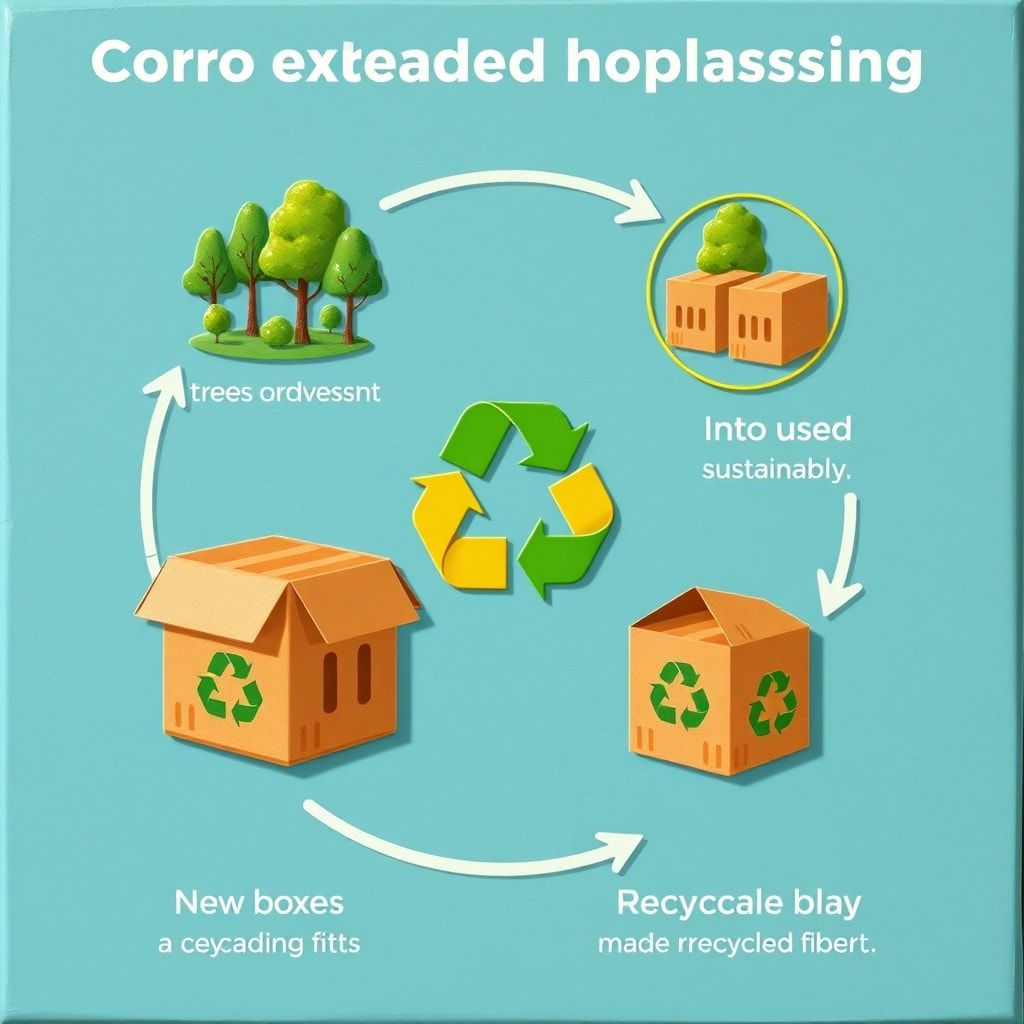
The Circular Economy of Corrugated
A circular economy model aims to keep resources in use for as long as possible, extracting the maximum value from them while in use, then recovering and regenerating products and materials at the end of each service life. Corrugated packaging fits perfectly into this model. Once a customer has unpacked their order, the box can be flattened and placed in a recycling bin, ready to begin its journey anew.
This contrasts sharply with many single-use plastics that have limited recycling capabilities or are often downcycled into lower-value products. By choosing corrugated, e-commerce brands actively participate in a system that minimizes waste and maximizes resource efficiency, reinforcing their commitment to going Beyond Recycle Bin.
Way 3: Reusability and Repurposing – Truly Beyond Recycle Bin
While recycling is excellent, reusing packaging extends its lifespan even further, reducing the energy and resources needed for reprocessing. Corrugated boxes are inherently sturdy and versatile, making them ideal candidates for a second life. Encouraging customers to find secondary uses goes Beyond Recycle Bin, fostering a mindset of resourcefulness and reducing the overall waste stream.
Brands can inspire customers by suggesting creative ways to repurpose boxes, such as for storage, moving, crafting projects, or even as temporary pet shelters. Some innovative companies are even designing corrugated packaging that transforms into something useful, like a hanger, a toy, or a storage organizer, adding value beyond the initial product delivery.
Extending the Life Cycle of Packaging Beyond Recycle Bin
Promoting the reuse of packaging isn’t just good for the environment; it also enhances customer engagement and loyalty. When a brand provides ideas or designs for repurposing, it creates an interactive and memorable experience. This approach, pushing Beyond Recycle Bin to embrace creative reuse, positions the brand as a thoughtful and environmentally conscious entity.
Consider including a small insert with repurposing ideas or a QR code linking to a “Second Life for Your Box” page on your website. This simple act can empower customers to participate actively in your sustainability efforts, turning a discarded box into a valuable resource. It’s about shifting perception from “trash” to “treasure,” one box at a time.
Way 4: Biodegradability and Composting – The Ultimate End-of-Life Solution
Even with optimal design, widespread recyclability, and efforts towards reuse, some packaging will eventually reach the end of its practical life. In these instances, the biodegradability of corrugated cardboard offers a significant environmental advantage. Made from natural fibers, uncoated corrugated packaging will naturally break down in the environment, returning its organic components to the earth.
For brands looking to go even further, certified compostable corrugated options are available, particularly for food-grade packaging or boxes without synthetic coatings or inks. This ensures that even when recycling isn’t an option, we’re still thinking Beyond Recycle Bin, guaranteeing a benign return to nature rather than persistent landfill accumulation. This is especially relevant for customers in areas with limited recycling facilities, providing a responsible alternative.
Nature’s Way of Handling Waste
The ability of corrugated packaging to biodegrade means it doesn’t contribute to long-term pollution, unlike plastics that can persist for hundreds of years. In industrial composting facilities, corrugated materials can break down relatively quickly, enriching the soil. Even in a home compost pile, uncoated cardboard will decompose, albeit at a slower rate, demonstrating its natural compatibility with ecological cycles.
This natural decomposition offers peace of mind and significantly reduces the environmental burden. By prioritizing biodegradable materials, e-commerce brands demonstrate a commitment to closing the loop on their packaging, ensuring that every component eventually returns to the earth without harm. It’s a powerful statement about true sustainability.
Way 5: Educating Consumers and Supply Chain Partners
The journey Beyond Recycle Bin is a shared responsibility. E-commerce brands have a critical role to play in educating both their customers and their supply chain partners about sustainable packaging practices. Clear, concise labeling on packaging can guide consumers on how to properly recycle or repurpose their boxes, maximizing the impact of your sustainable choices.
Transparency about your packaging materials and your sustainability goals builds trust and empowers consumers to make informed decisions. Furthermore, collaborating with suppliers who share your commitment to sustainability can drive innovation and ensure that your entire supply chain operates with environmental responsibility at its core. This collective effort is essential for truly moving Beyond Recycle Bin and creating systemic change.
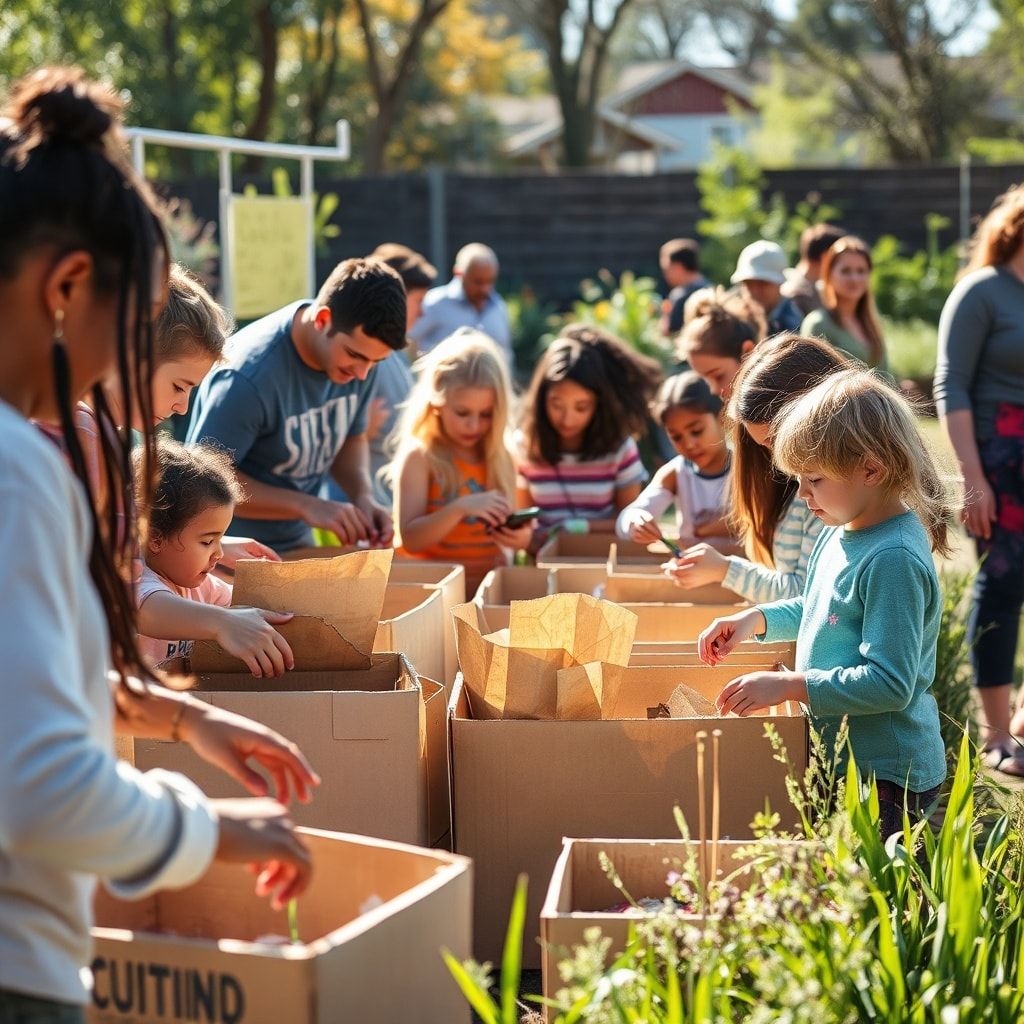
Fostering a Culture of Sustainability
Beyond simple instructions, brands can engage customers through their websites, social media, and newsletters, sharing stories about their sustainable packaging journey. Highlighting the benefits of choosing corrugated—its renewability, recyclability, and versatility—can turn passive recipients into active participants in waste reduction. For instance, mentioning statistics about the high recycling rate of corrugated (e.g., “Over 90% of corrugated packaging is recovered for recycling in the U.S.” – according to the Fibre Box Association) can underscore its environmental credentials.
Internally, fostering a culture of sustainability means working closely with manufacturers to optimize designs and materials. It also involves exploring innovative packaging solutions, such as those that use fewer inks or water-based adhesives, to further enhance recyclability and biodegradability. By educating and collaborating, brands can extend their green impact far Beyond Recycle Bin.
Conclusion
The challenge of e-commerce packaging waste is significant, but the solutions are within reach. By strategically embracing corrugated packaging and adopting a forward-thinking mindset, e-commerce brands can make a profound difference. From optimizing design and leveraging high recyclability to encouraging reuse, ensuring biodegradability, and educating stakeholders, corrugated packaging is undeniably your e-commerce brand’s green MVP, guiding you Beyond Recycle Bin to a more sustainable future.
By embracing these five strategies, you move Beyond Recycle Bin to a comprehensive approach to waste reduction that benefits the planet, enhances your brand’s reputation, and resonates with environmentally conscious consumers. It’s time to elevate your packaging strategy from a mere necessity to a powerful statement of environmental leadership. Start rethinking your packaging today and become a leader in sustainable e-commerce.