
Beyond Limits: Unlock Your True Potential
Welcome to a journey that transcends conventional thinking, propelling us into a future where sustainability isn’t just a buzzword, but a cornerstone of global commerce. In an era marked by increasing environmental consciousness, businesses are constantly seeking innovative solutions to minimize their ecological footprint. This quest leads us to explore a revolution happening right under our noses, transforming an everyday material into a powerful tool for change. Prepare to look beyond the ordinary as we delve into how eco-friendly corrugated packaging is reshaping the landscape of sustainable shipping.
The Urgent Need for Sustainable Shipping: Looking Beyond Current Practices
The global e-commerce boom has undeniable benefits, connecting consumers with products from across the globe. However, this convenience comes at a significant environmental cost, primarily in the form of packaging waste and carbon emissions from logistics. Traditional packaging materials, often derived from virgin resources and designed for single use, contribute heavily to landfills and pollution.
Consumers and regulatory bodies alike are demanding greater accountability from businesses. There’s a growing understanding that every package shipped carries an environmental story, and that story needs to be one of responsibility. The pressure to adopt greener practices is no longer a niche concern but a mainstream imperative, driving companies to innovate beyond outdated methods.
The Environmental Footprint of Conventional Packaging
Consider the sheer volume of packaging materials used daily. Plastics, non-recyclable foams, and virgin paper products accumulate rapidly, leading to overflowing landfills and devastating impacts on ecosystems. Microplastics are now found in every corner of the planet, from the deepest oceans to the highest mountains, posing serious threats to biodiversity and human health. This pervasive issue necessitates a fundamental shift in how goods are packaged and transported.
Moreover, the energy and resources required to produce these materials contribute to greenhouse gas emissions, exacerbating climate change. From logging forests to petroleum extraction, the lifecycle of conventional packaging is resource-intensive. Businesses are realizing that to truly achieve sustainability, they must look beyond superficial changes and embrace systemic transformations.
What is Eco-Friendly Corrugated Packaging?
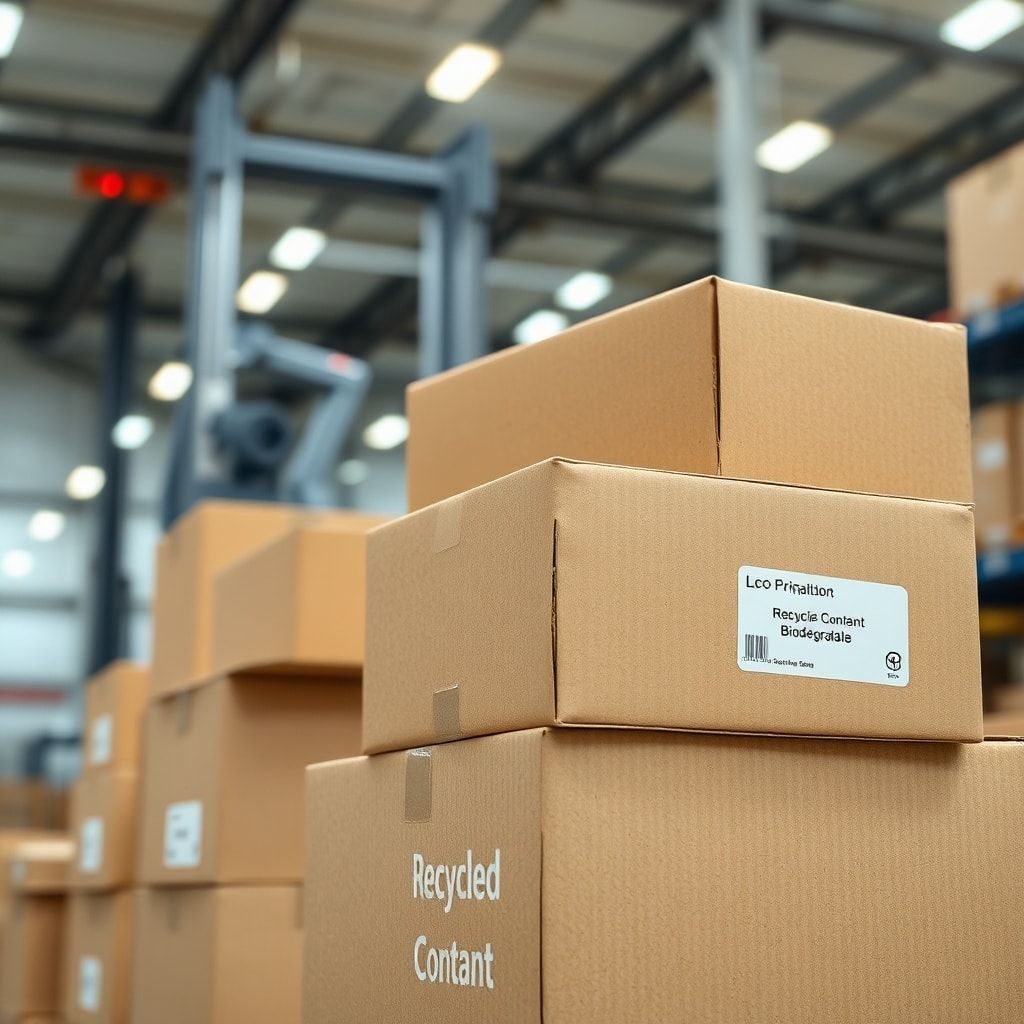
At its heart, eco-friendly corrugated packaging is a testament to ingenuity and environmental stewardship. It’s not just about using recycled content; it’s about a holistic approach to material sourcing, manufacturing, and end-of-life considerations. This sustainable alternative offers a robust, versatile, and environmentally responsible solution for a myriad of shipping needs.
Corrugated cardboard, known for its strength and lightweight nature, is inherently a good candidate for sustainability. When we add the “eco-friendly” prefix, we’re talking about specific practices that elevate its environmental profile, making it a frontrunner in the race for greener logistics. It’s about pushing the boundaries of what packaging can achieve.
The Composition and Benefits of Sustainable Corrugated
Eco-friendly corrugated is typically made from a high percentage of recycled fibers, often 70-100%, derived from post-consumer and post-industrial waste. This significantly reduces the demand for virgin timber, preserving forests and their vital ecosystems. The manufacturing process itself is often optimized to minimize water usage and energy consumption, further lowering its environmental impact.
Furthermore, these materials are designed for easy recycling after use, creating a closed-loop system that reduces waste and conserves resources. Unlike some plastics, corrugated cardboard is widely accepted in recycling programs globally, making it a convenient choice for both businesses and consumers. This commitment to circularity goes beyond simple disposability.
The Advantages of Corrugated Packaging: Going Beyond Basic Protection
Beyond its environmental credentials, eco-friendly corrugated packaging offers a suite of practical advantages that make it an attractive choice for businesses. Its inherent strength, versatility, and cost-effectiveness position it as a superior alternative to many less sustainable options. It’s about delivering value that extends far beyond just holding a product.
From protecting delicate items during transit to providing a canvas for brand messaging, corrugated cardboard performs exceptionally. Its adaptability means it can be engineered into countless shapes and sizes, catering to diverse product requirements while maintaining structural integrity. This versatility is key to its widespread adoption.
Durability and Protection for Diverse Products
Corrugated cardboard’s unique structure, with its fluted layer sandwiched between liners, provides excellent cushioning and resistance to impact. This makes it ideal for protecting a wide range of products, from electronics and glassware to fresh produce and industrial components. The strength-to-weight ratio is impressive, allowing for robust protection without adding excessive bulk or shipping weight.
This durability minimizes product damage during shipping, reducing returns and the associated waste and logistical headaches. By ensuring products arrive safely, businesses enhance customer satisfaction and reduce their overall carbon footprint. It’s a win-win scenario that looks beyond mere cost savings to encompass broader operational efficiency.
Cost-Effectiveness and Supply Chain Efficiencies
While the initial cost of sustainable materials might sometimes be perceived as higher, the long-term cost benefits of eco-friendly corrugated are significant. Its lightweight nature reduces shipping costs, especially for bulk orders or international shipments. Furthermore, its stackability and ease of assembly can streamline packing processes, saving labor and time.
The widespread availability and established recycling infrastructure for corrugated cardboard also contribute to its cost-effectiveness. Businesses can often reduce waste disposal fees and even generate revenue from recycled materials. This comprehensive approach to cost management goes beyond the price tag of the material itself, impacting the entire supply chain.
Branding and Customization Opportunities
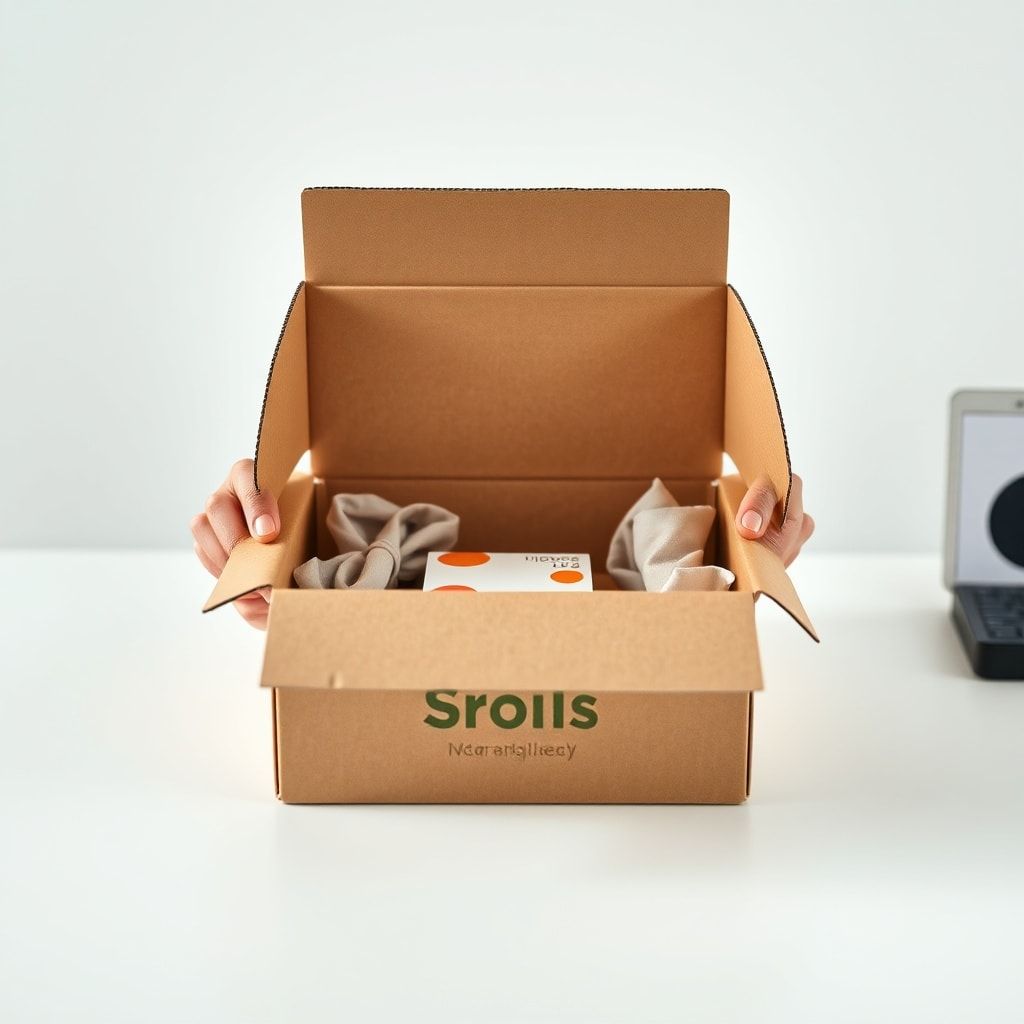
Eco-friendly corrugated offers an excellent surface for high-quality printing, allowing brands to showcase their identity and commitment to sustainability. Custom designs, logos, and messaging can transform a simple box into a powerful marketing tool. This visual appeal enhances the unboxing experience, which is increasingly important in the e-commerce landscape.
By using eco-friendly inks and finishes, companies can ensure their branding efforts align with their sustainability goals. This thoughtful approach to packaging design communicates a brand’s values to its customers, fostering loyalty and differentiation. It’s about creating an experience that resonates far beyond the moment of delivery.
Innovation Beyond Traditional Boxes: Advanced Corrugated Solutions
The world of corrugated packaging is far from stagnant; it’s a hotbed of innovation. Manufacturers are continually pushing the boundaries of what this material can do, developing advanced solutions that address specific industry challenges and environmental concerns. These innovations are moving us beyond the simple brown box into a new era of smart, sustainable packaging.
From moisture-resistant coatings to integrated smart technologies, the evolution of corrugated packaging is remarkable. These developments are not only improving functionality but also enhancing the overall sustainability profile, making it a truly future-proof solution for sustainable shipping.
Moisture-Resistant and Specialized Coatings
One significant innovation involves the development of eco-friendly coatings that enhance the performance of corrugated cardboard. These coatings can provide moisture resistance, making the packaging suitable for shipping perishables or products exposed to varying environmental conditions. Unlike traditional plastic laminates, these new coatings are often biodegradable or easily separable for recycling.
Other specialized coatings can offer grease resistance, anti-static properties, or even antimicrobial protection, expanding the application of corrugated packaging into new sectors. These advancements ensure that sustainability doesn’t come at the expense of functionality, allowing businesses to look beyond conventional material limitations.
Smart Packaging Integration
The future of packaging includes intelligent features that enhance traceability, security, and consumer engagement. Corrugated packaging is increasingly being integrated with QR codes, NFC tags, and even embedded sensors. These smart elements can provide real-time tracking information, verify product authenticity, or offer engaging content to the end-user.
This integration transforms packaging from a passive container into an active communication tool, providing valuable data throughout the supply chain. Such innovations are taking us beyond basic packaging, creating a truly connected and efficient logistics ecosystem. Imagine a box that tells you its journey and its environmental impact.
Implementing Sustainable Corrugated Solutions: A Path Beyond Inertia
Adopting eco-friendly corrugated packaging requires a strategic approach, but the benefits far outweigh the initial effort. Businesses that successfully integrate these solutions often see improvements in brand perception, operational efficiency, and, most importantly, their environmental footprint. It’s about moving beyond the status quo and embracing proactive change.
The transition involves evaluating current packaging needs, collaborating with sustainable suppliers, and educating internal teams and customers. This holistic implementation ensures a smooth shift and maximizes the positive impact of sustainable choices.
Choosing the Right Eco-Friendly Supplier
Partnering with a reputable and certified eco-friendly packaging supplier is crucial. Look for suppliers who prioritize recycled content, sustainable manufacturing processes, and provide transparent information about their environmental certifications (e.g., FSC, SFI). A good supplier can also offer expertise in custom design to optimize packaging for your specific products, minimizing material usage.
Engaging with suppliers who share your commitment to sustainability ensures that your packaging choices are genuinely impactful. This collaborative effort is vital for building a truly green supply chain, extending your reach beyond your immediate operations.
Optimizing Packaging Design for Sustainability
Sustainable packaging isn’t just about the material; it’s also about smart design. Rightsizing packaging to fit products snugly reduces the need for void fill materials and minimizes shipping volume. Innovative designs can also reduce material usage while maintaining structural integrity, further enhancing the eco-friendliness of the solution.
Consider designs that are easy for consumers to open and recycle, promoting proper disposal and contributing to the circular economy. This user-centric approach ensures that your sustainable efforts are recognized and supported by your customers. It’s about thinking beyond the factory floor to the end-user experience.

The Future Beyond Cardboard: A Holistic View of Sustainable Shipping
While eco-friendly corrugated packaging is a powerful solution, it’s part of a larger movement towards holistic sustainable shipping. The future involves continuous innovation in materials, logistics, and consumer behavior. It’s about a collective commitment to protecting our planet, pushing the boundaries of what’s possible in every aspect of commerce.
As technology advances and environmental awareness grows, we can expect even more groundbreaking solutions to emerge. The journey towards truly sustainable shipping is ongoing, and corrugated packaging is playing a vital role in leading the way. We are looking beyond mere compliance to genuine environmental leadership.
Integration with Other Green Logistics Practices
Sustainable packaging works best when integrated with other green logistics practices. This includes optimizing shipping routes to reduce fuel consumption, utilizing electric or hybrid delivery vehicles, and consolidating shipments to maximize efficiency. Businesses are increasingly adopting supply chain visibility tools to track and reduce their carbon footprint at every stage.
Even small changes, such as encouraging customers to choose slower, more consolidated shipping options, can collectively make a significant difference. The goal is to create an interconnected system where every component contributes to environmental stewardship. This integrated approach goes beyond individual solutions to create a synergistic impact.
Consumer Education and Engagement
Ultimately, the success of sustainable shipping relies on consumer participation. Educating customers about the importance of recycling, composting, and making conscious purchasing decisions is paramount. Brands can use their packaging to communicate these messages, empowering consumers to be part of the solution.
Transparent reporting on environmental impact and sustainability initiatives can further build trust and loyalty. When consumers understand the positive impact of their choices, they are more likely to support businesses committed to a greener future. It’s about fostering a shared vision that extends far beyond the transaction itself.
Conclusion: Pushing Beyond the Limits for a Greener Tomorrow
The revolution in sustainable shipping is here, and eco-friendly corrugated packaging is at its forefront. By embracing materials derived from recycled content, optimizing design for efficiency, and integrating smart technologies, businesses are moving beyond traditional paradigms to create a more responsible and environmentally sound supply chain. This shift is not merely about compliance; it’s about competitive advantage, brand integrity, and a profound commitment to planetary health.
From reducing waste and carbon emissions to enhancing brand appeal and operational efficiency, the benefits of adopting sustainable corrugated solutions are undeniable. As we continue to innovate and collaborate, the potential for a truly circular economy in packaging grows ever stronger. The path forward demands vision, action, and a willingness to push beyond the limits of what was once thought possible.
Are you ready to transform your shipping practices and make a tangible difference? Explore the possibilities of eco-friendly corrugated packaging today and join the movement towards a more sustainable future. Take the step to unlock your potential for positive environmental impact!