
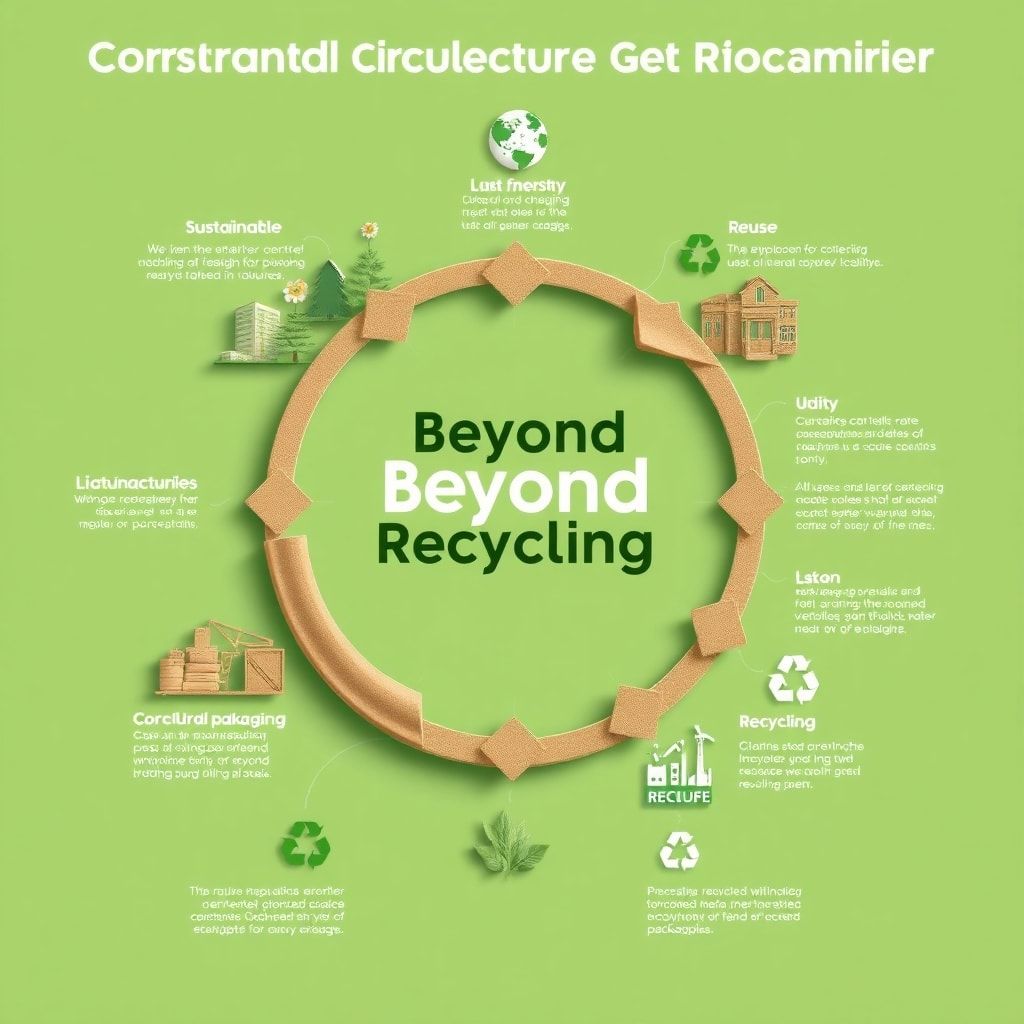
Beyond the Obvious: Find Hidden Gems
The conversation around sustainable packaging often begins and ends with recycling. While crucial, focusing solely on recycling barely scratches the surface of what’s possible. To truly embrace environmental stewardship and economic efficiency, we must look beyond this singular action and dive deep into the comprehensive benefits of a circular economy, particularly when it comes to a versatile material like corrugated packaging. This post aims to uncover the hidden gems and profound advantages that extend far past the recycling bin, revealing the true potential of corrugated in a fully circular system.
Corrugated packaging, often seen as just a brown box, is a powerhouse of circularity waiting to be fully appreciated. Its journey from renewable resource to multiple lives and eventual safe return to nature offers a compelling blueprint for other industries. Understanding these multifaceted benefits requires a shift in perspective, moving beyond linear thinking to a holistic, regenerative approach where waste is a design flaw, not an inevitability.
Beyond the Recycling Bin: The True Circularity of Corrugated
The circular economy is a systemic approach to economic development designed to benefit businesses, society, and the environment. It’s about designing out waste and pollution, keeping products and materials in use, and regenerating natural systems. Corrugated packaging inherently aligns with these principles, offering advantages that extend far beyond its impressive recycling rates.
Sustainable Sourcing: The Foundation of Circularity
The lifecycle of corrugated packaging begins not with waste, but with responsibly managed forests. This renewable resource stands in stark contrast to finite materials. Sustainable forestry practices ensure that trees are replanted faster than they are harvested, maintaining biodiversity and forest health.
Many corrugated manufacturers source wood fibers from certified forests, adhering to standards set by organizations like the Forest Stewardship Council (FSC) or the Sustainable Forestry Initiative (SFI). This commitment to responsible sourcing is the first critical step in a truly circular journey, ensuring that the raw material input is regenerative by design. It’s about creating a positive impact right from the start, a concept that goes beyond mere compliance.
Design for Circularity: Engineering for Multiple Lives
Corrugated packaging is not just strong; it’s smart. Its design often prioritizes single-material construction, making it easier to sort and recycle. Innovations in packaging design continually seek to reduce material usage while maintaining structural integrity, further optimizing resource efficiency.
The industry is constantly exploring ways to eliminate unnecessary coatings or additives that could complicate the recycling process. This focus on “clean” design ensures that the material can easily re-enter the production loop, maintaining its quality and value. Thinking beyond the initial use phase is fundamental here, envisioning the material’s entire journey.
Reuse Models: Extending Product Life Beyond Expectations
While recycling is prominent, the potential for direct reuse of corrugated packaging is often underestimated. Many businesses employ returnable corrugated containers for internal logistics or closed-loop supply chains. These sturdy boxes can withstand multiple trips, significantly reducing the need for new packaging.
For consumers, creative reuse of corrugated boxes for storage, moving, or even DIY projects extends their utility long past their initial purpose. This informal reuse, though harder to quantify, plays a vital role in delaying the material’s entry into the recycling stream, showcasing its durability and versatility. It’s a testament to thinking beyond single-use mentality.
Advanced Recycling and Closed-Loop Systems: Infinite Possibilities
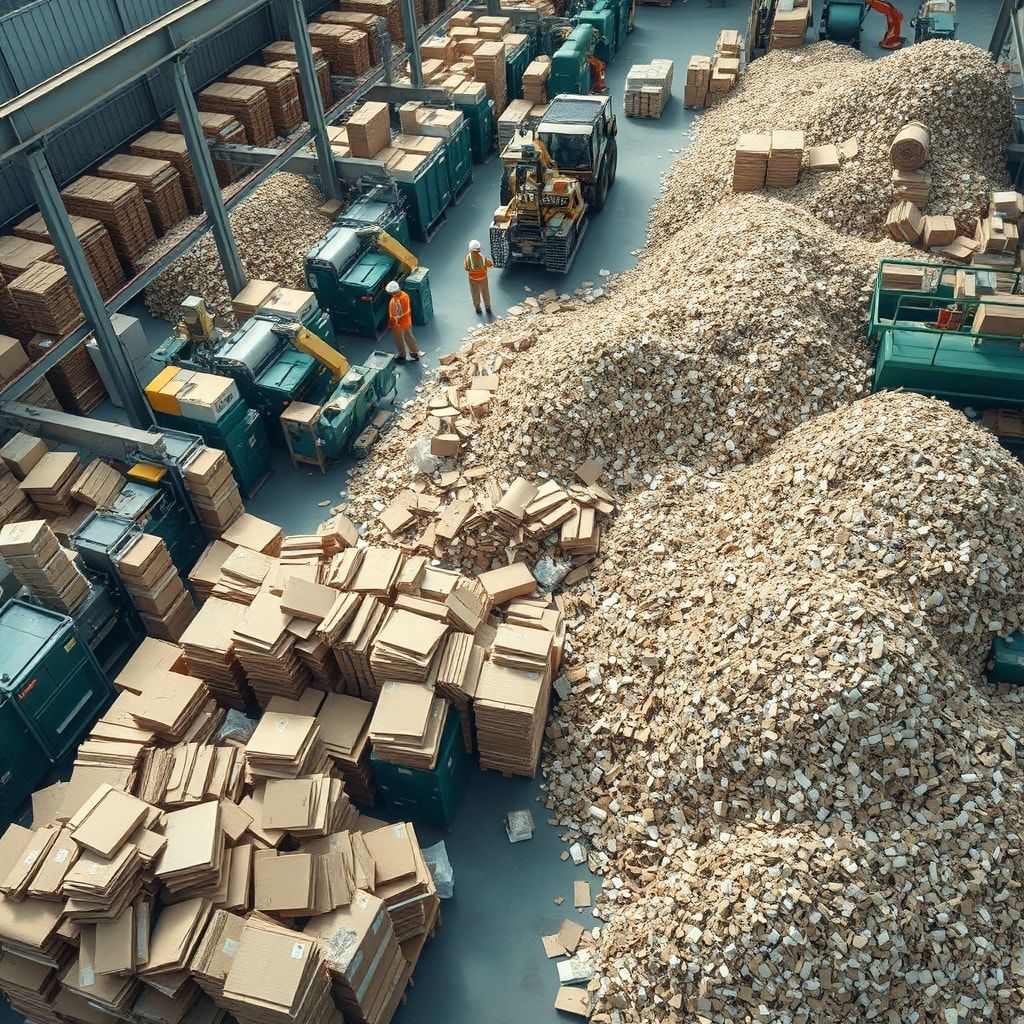
Corrugated packaging boasts one of the highest recycling rates among packaging materials globally. When a corrugated box is collected for recycling, it doesn’t just disappear; its fibers are separated, cleaned, and re-pulped to create new paperboard products. This closed-loop system means that a significant portion of new corrugated boxes are made from recycled content.
The technology for recycling corrugated is highly efficient and continuously improving, ensuring that fibers can be recycled multiple times without significant degradation. This robust infrastructure supports a truly circular flow, minimizing reliance on virgin materials and keeping valuable resources in play. The innovation here moves us beyond basic material recovery.
Biodegradation and Composting: Nature’s Ultimate Recycler
Even when corrugated packaging reaches the end of its multiple lives and can no longer be effectively recycled, its environmental impact remains minimal. Made primarily from wood fibers, it is inherently biodegradable and compostable. This means it can safely return to the earth, breaking down into natural components without leaving harmful residues.
This natural end-of-life scenario is a critical advantage in a circular economy, offering a safe exit strategy for materials that cannot be perpetually reused or recycled. It provides peace of mind, knowing that even if a box escapes the recycling stream, it won’t persist as a pollutant for centuries. This natural regeneration truly goes beyond traditional waste management.
Economic and Environmental Dividends: Benefits Beyond the Bottom Line
Embracing the circular economy for corrugated packaging isn’t just good for the planet; it offers substantial economic and operational advantages for businesses and consumers alike. These benefits extend far beyond simple cost savings or regulatory compliance.
Reduced Environmental Footprint: A Greener Tomorrow
By prioritizing sustainable sourcing, efficient design, reuse, and robust recycling, corrugated packaging significantly reduces its environmental footprint. This includes lower greenhouse gas emissions compared to producing virgin materials, reduced water and energy consumption, and decreased landfill waste. Studies by industry associations consistently highlight these positive impacts.
Choosing corrugated over less sustainable alternatives contributes directly to corporate sustainability goals and broader environmental conservation efforts. It’s a tangible way for companies to demonstrate their commitment to a greener future, fostering a reputation that resonates with environmentally conscious consumers. The impact reaches beyond individual companies to global well-being.
Cost Efficiencies and Supply Chain Resilience
A circular approach to corrugated packaging can lead to significant cost savings. Utilizing recycled content often requires less energy and water than producing new pulp, translating to lower manufacturing costs. Furthermore, stable access to recycled fibers can insulate businesses from volatile raw material prices, enhancing supply chain resilience.
The lightweight yet durable nature of corrugated also contributes to reduced shipping costs and fewer product damages during transit. These operational efficiencies add up, providing a strong economic incentive for businesses to adopt circular practices. The financial gains extend far beyond the initial purchase price.
Enhanced Brand Reputation and Consumer Loyalty
In today’s market, consumers are increasingly demanding sustainable products and packaging. Brands that visibly commit to circular economy principles, such as using recycled and recyclable corrugated, gain a significant competitive edge. This commitment fosters trust and loyalty among environmentally aware customers.
Communicating the circular benefits of packaging can become a powerful marketing tool, differentiating products and reinforcing brand values. It’s about telling a story that resonates with consumer aspirations for a better world, creating a connection that goes beyond the product itself. This builds a stronger, more enduring brand image.

Innovation and Job Creation
The pursuit of circularity in corrugated packaging drives innovation across the entire value chain. From new fiber treatments and barrier coatings to advanced sorting technologies and digital platforms for tracking material flows, the circular economy fosters continuous improvement and technological advancement.
This innovation, in turn, creates new job opportunities in areas like sustainable forestry, packaging design, recycling infrastructure, and logistics. It’s an economic engine that supports green jobs and builds a more resilient, future-proof industry. The growth potential here stretches far beyond traditional manufacturing roles.
The Road Ahead: Unlocking Even More Potential Beyond Today
While corrugated packaging already offers substantial circular economy benefits, the journey towards full optimization is ongoing. Continuous research and development are exploring even more advanced applications and end-of-life solutions. This includes developing new bio-based coatings, enhancing moisture resistance without compromising recyclability, and exploring novel ways to extend reuse cycles.
Collaboration across the supply chain—from foresters to manufacturers, brands, retailers, and consumers—is paramount. Education plays a critical role in ensuring proper sorting and recycling, maximizing material recovery. Policymakers also have a part to play in creating supportive regulatory frameworks that incentivize circular practices and infrastructure development. The collective effort will propel us beyond current achievements.
Internal Linking Opportunities:
For readers interested in related topics, consider exploring articles on “The Role of Sustainable Forestry in Carbon Sequestration,” “Innovations in Eco-Friendly Packaging Materials,” or “Understanding E-commerce’s Impact on Packaging Waste.”
External Linking Opportunities:
To delve deeper, refer to reports from organizations like the Fibre Box Association (FBA), the American Forest & Paper Association (AF&PA), the Ellen MacArthur Foundation for circular economy principles, or reputable environmental agencies for statistics on recycling rates and environmental impact studies.
Conclusion: Beyond Expectations, Towards a Circular Future
Corrugated packaging is much more than a temporary container; it is a vital component of a thriving circular economy. Its journey, from renewable origins through multiple uses, efficient recycling, and eventual biodegradation, offers a powerful model for sustainable material management. The benefits extend beyond simple waste reduction, encompassing environmental protection, economic resilience, enhanced brand value, and continuous innovation.
By looking beyond the obvious act of recycling, we uncover a hidden gem in corrugated packaging—a material that embodies the principles of regeneration and resource efficiency. As consumers and businesses, our choices have power. Let’s champion materials that build a truly circular future. What steps will you take today to embrace the full circular economy potential of your packaging choices? Explore these benefits further and advocate for circular practices in your daily life and business operations.