The Evolution of Technology: A Timeline of Innovation
Title: The Evolution of Technology: A Timeline of Innovation
In Bangkok’s bustling industrial sector, cardboard box factories have played a crucial role in shaping the packaging design trends over the years. The evolution of technology within these factories has been a key driver in transforming the way cardboard boxes are manufactured and designed. From traditional methods to cutting-edge innovations, the journey of packaging design trends in Bangkok’s cardboard box factories is a fascinating one.
**The Early Days of Cardboard Box Manufacturing**
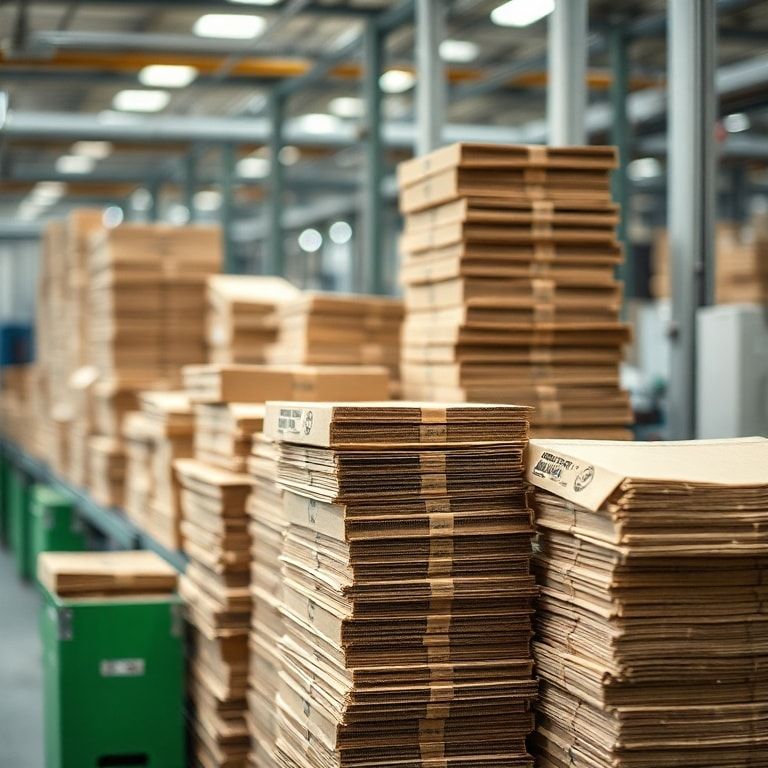
In the early days of cardboard box manufacturing, the process was labor-intensive and time-consuming. Workers would manually cut, fold, and assemble cardboard boxes by hand, resulting in limited production capacity and design options. However, as technology evolved, so did the manufacturing processes within these factories.
**Automating Production Lines: A Game-Changer in the Industry**
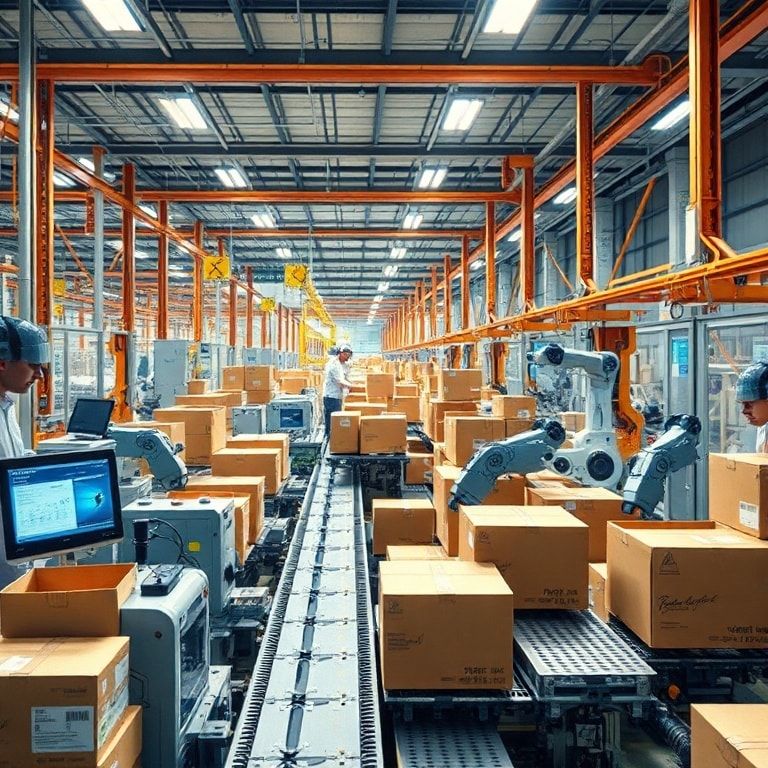
One of the most significant advancements in cardboard box factories was the automation of production lines. This innovation revolutionized the manufacturing process, allowing for increased production capacity, improved efficiency, and greater design flexibility. Automated machinery could now cut, fold, and assemble cardboard boxes at a much faster pace, leading to a significant increase in output.
**Integrating Digital Design Software for Customization**
With the rise of digital design software, cardboard box factories were able to offer more customization options to their clients. Customers could now request specific designs, logos, and colors for their packaging, leading to a more personalized and unique product. Digital design software also allowed for faster prototyping and iteration, enabling factories to meet tight deadlines and adapt to changing market trends.
**Incorporating Sustainable Materials and Practices**
As environmental awareness grew, cardboard box factories began to adopt sustainable materials and practices in their manufacturing processes. From using recycled cardboard to implementing energy-efficient machinery, these factories took significant steps towards reducing their environmental impact. Sustainable packaging design trends became more prevalent, with an emphasis on eco-friendly materials and minimal waste.
**Embracing Innovation: The Future of Packaging Design Trends**
Looking ahead, the future of packaging design trends in Bangkok’s cardboard box factories is bright. With advancements in technology such as 3D printing, smart packaging, and automation, the possibilities for innovation are endless. By staying at the forefront of technological advancements, these factories can continue to push the boundaries of design, sustainability, and efficiency in the packaging industry.
In conclusion, the evolution of technology within Bangkok’s cardboard box factories has been a driving force behind the transformation of packaging design trends. From manual labor to automated production lines, the industry has come a long way in embracing innovation and sustainability. By staying ahead of the curve and embracing new technologies, these factories are poised to shape the future of packaging design trends for years to come.