
The Ultimate Guide to Ecofriendly Living
Title: The Ultimate Guide to Ecofriendly Living
In today’s world, where environmental consciousness is becoming increasingly important, eco-friendly practices are gaining traction across various industries. One such area where eco-friendly initiatives are making a significant impact is in Bangkok’s cardboard box factories. These factories have implemented innovative practices to reduce their carbon footprint and promote sustainability. In this article, we will explore the top 5 eco-friendly practices in Bangkok cardboard box factories that are setting a new standard for environmentally responsible manufacturing.
1. Sustainable Sourcing of Materials
One of the key eco-friendly practices adopted by Bangkok cardboard box factories is the sustainable sourcing of materials. Instead of relying on traditional methods that contribute to deforestation and habitat destruction, these factories prioritize using recycled cardboard and paper. By utilizing materials that have already been used once, they help reduce the demand for virgin wood pulp and minimize the environmental impact of their operations.
2. Energy-Efficient Production Processes
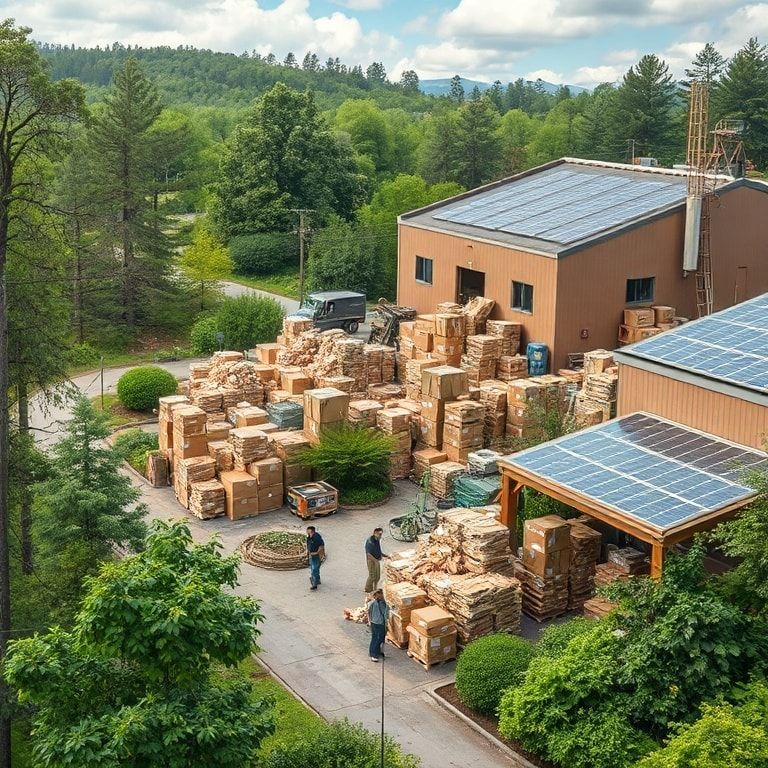
Another crucial aspect of eco-friendly practices in Bangkok cardboard box factories is the implementation of energy-efficient production processes. These factories have invested in technologies that optimize energy consumption, such as LED lighting, energy-efficient machinery, and solar panels. By reducing their reliance on fossil fuels and minimizing electricity usage, they are able to lower their carbon emissions and operate in a more sustainable manner.
3. Waste Reduction and Recycling
To further enhance their eco-friendly initiatives, Bangkok cardboard box factories focus on waste reduction and recycling. Instead of discarding leftover materials and production waste, these factories have implemented recycling programs to ensure that as much as possible is reused or repurposed. By minimizing waste sent to landfills and promoting a circular economy approach, they are able to reduce their environmental impact significantly.
4. Water Conservation Practices
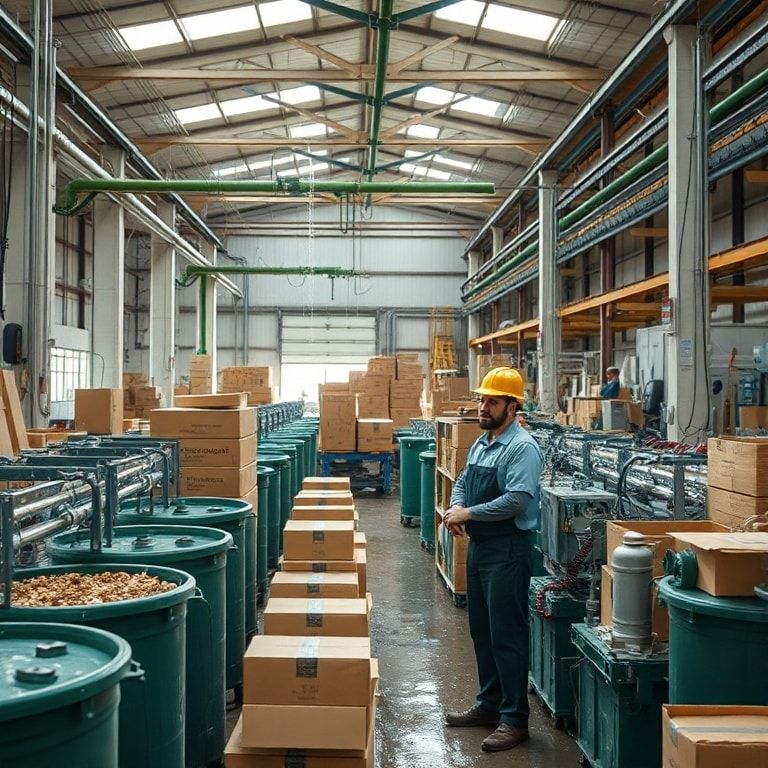
Water conservation is another critical aspect of eco-friendly practices in Bangkok cardboard box factories. These factories have implemented measures to reduce water usage during the production process, such as installing water-saving equipment and implementing recycling systems. By minimizing water consumption and optimizing usage efficiency, they are able to conserve this precious resource and minimize their environmental footprint.
5. Employee Education and Engagement
Last but not least, employee education and engagement play a vital role in promoting eco-friendly practices in Bangkok cardboard box factories. These factories provide training and awareness programs to their staff, educating them about the importance of sustainability and the role they can play in reducing environmental impact. By fostering a culture of environmental responsibility among employees, these factories create a more sustainable work environment and ensure that everyone is committed to eco-friendly practices.
In conclusion, the top 5 eco-friendly practices in Bangkok cardboard box factories demonstrate the significant impact that environmentally responsible initiatives can have on manufacturing operations. By prioritizing sustainable sourcing, energy efficiency, waste reduction, water conservation, and employee engagement, these factories are setting a new standard for eco-friendly living. As consumers become more environmentally conscious, supporting businesses that prioritize sustainability and eco-friendly practices becomes increasingly important. By championing these initiatives, Bangkok cardboard box factories are not only reducing their environmental impact but also inspiring others to follow in their footsteps towards a greener future.