
The Evolution of Technology: A Timeline of Innovation
Title: The Evolution of Technology: A Timeline of Innovation
In the bustling city of Bangkok, the cardboard box manufacturing industry has been undergoing a remarkable evolution. From traditional methods to cutting-edge technology, the industry has seen significant advancements over the years. In this blog post, we will take a closer look at the evolution of cardboard box manufacturing in Bangkok, exploring the key milestones and innovations that have shaped the industry.
**The Early Days of Cardboard Box Manufacturing**
The journey of cardboard box manufacturing in Bangkok began with simple, manual processes. In the early days, workers would handcraft boxes using basic tools and equipment. This labor-intensive method limited production capacity and efficiency. However, it laid the foundation for the industry to grow and evolve.
As demand for cardboard boxes increased, manufacturers started incorporating semi-automated machinery into their production lines. These machines helped streamline the manufacturing process, allowing for higher output and improved quality. The evolution of technology played a crucial role in driving efficiency and productivity in the industry.
**The Rise of Automated Manufacturing**
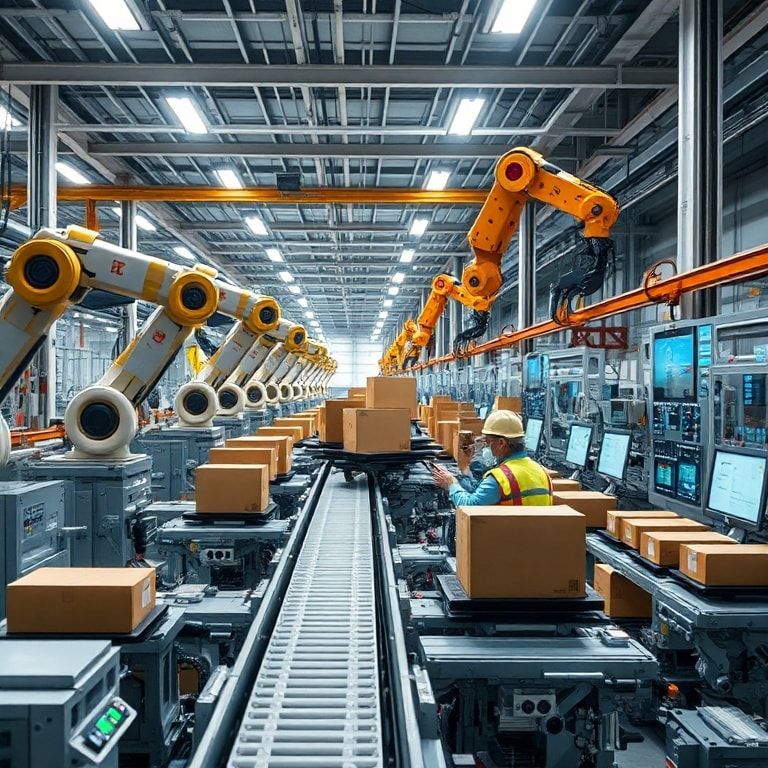
With advancements in technology, automated manufacturing systems revolutionized the cardboard box industry in Bangkok. State-of-the-art machinery and equipment were introduced to automate various stages of the production process. From cutting and folding to gluing and stacking, these advanced systems significantly increased production capacity and efficiency.
One of the key innovations in automated manufacturing was the introduction of robotic systems. These robots could perform complex tasks with precision and speed, further enhancing the quality and consistency of cardboard box production. The evolution of technology paved the way for a new era of manufacturing in Bangkok, where efficiency and innovation were paramount.
**Integration of IoT and Smart Technologies**
In recent years, the cardboard box manufacturing industry in Bangkok has embraced IoT (Internet of Things) and smart technologies to further improve operations. By connecting machinery and equipment to a centralized network, manufacturers can monitor and control production processes in real-time. This level of connectivity allows for predictive maintenance, reduced downtime, and optimized workflow.
Moreover, smart technologies such as AI (Artificial Intelligence) and machine learning have been integrated into manufacturing systems to enhance decision-making and process optimization. These technologies analyze data and patterns to identify areas for improvement, ultimately leading to more efficient and cost-effective production.
**Sustainable Practices and Eco-Friendly Solutions**
As awareness of environmental issues grows, the cardboard box manufacturing industry in Bangkok has shifted towards sustainable practices and eco-friendly solutions. Manufacturers are investing in recyclable materials, energy-efficient machinery, and waste reduction strategies to minimize their environmental impact. The evolution of technology has enabled the industry to adopt greener practices without compromising on quality or efficiency.
**Conclusion**
In conclusion, the evolution of technology has played a pivotal role in shaping the cardboard box manufacturing industry in Bangkok. From manual processes to automated systems, the industry has undergone significant advancements that have improved efficiency, quality, and sustainability. By embracing smart technologies and eco-friendly solutions, manufacturers are paving the way for a more innovative and environmentally conscious future.
As we look towards the future, it is clear that the evolution of technology will continue to drive progress and innovation in the cardboard box manufacturing industry. By staying at the forefront of technological advancements, manufacturers in Bangkok can ensure they remain competitive and sustainable in a rapidly evolving market.