

Food Grade: Essential for Your Safety
In a world increasingly conscious of health and safety, understanding the materials that come into contact with our food is paramount. From the containers in our kitchens to the machinery in vast processing plants, the term Food Grade signifies a critical standard of safety and purity. It’s a designation that assures consumers and businesses alike that a material is suitable for contact with edibles, designed to prevent harmful contamination and ensure the integrity of what we consume.
But what exactly does Food Grade mean, and why is it so essential for your well-being? This comprehensive guide will delve into the intricacies of this vital classification, exploring its significance, the materials it encompasses, the regulations that govern it, and how it safeguards public health every single day. Understanding this term is not just about compliance; it’s about making informed choices for a healthier lifestyle.
Understanding the Core Concept of Food Grade
The essence of being Food Grade means a material is non-toxic and won’t leach harmful chemicals into food or beverages, even under specific conditions like varying temperatures or prolonged contact. It implies a stringent manufacturing process and material composition designed to meet strict health and safety standards. This goes beyond mere cleanliness; it’s about the inherent properties of the material itself.
Materials deemed Food Grade are specifically formulated to prevent any adverse reactions with food. This includes avoiding chemical reactions, physical contamination (like shedding particles), and the transfer of odors or tastes. Essentially, a Food Grade product should be inert and stable when exposed to food items, preserving the food’s quality and safety.
What Makes a Material Food Grade?
For a material to achieve Food Grade status, it must undergo rigorous testing and adhere to specific regulatory guidelines. These guidelines vary by region but generally focus on the material’s composition, its resistance to corrosion, its ability to be cleaned and sanitized effectively, and its non-toxic nature. The manufacturing process itself is also scrutinized to ensure no contaminants are introduced.
For instance, a plastic container might be considered Food Grade if it’s made from virgin plastic resins that contain no harmful additives like BPA or phthalates, and if it won’t degrade under typical usage conditions. Similarly, stainless steel must be of a particular grade (e.g., 304 or 316) to be deemed Food Grade, ensuring it won’t rust or corrode and leach metals into food.
Why is Food Grade Certification Crucial for Health and Safety?
The importance of Food Grade materials cannot be overstated, especially when considering direct contact with consumables. Using non-Food Grade materials can lead to severe health risks, ranging from mild allergic reactions to chronic diseases caused by chemical exposure. Contamination can occur in various ways, from chemical leaching to the transfer of bacteria.
Consider the potential for toxic substances to migrate from a non-Food Grade container into your meal. Plastics not designed for food contact might contain industrial chemicals, dyes, or plasticizers that can leach into your food, especially when heated. Over time, consistent exposure to these chemicals can accumulate in the body, leading to serious health complications.
Preventing Chemical Contamination with Food Grade Materials
One of the primary reasons for strict Food Grade standards is to prevent chemical contamination. Many industrial materials, while robust and useful for other applications, contain additives or byproducts that are toxic when ingested. These can include heavy metals, certain dyes, or industrial solvents.
For example, some non-Food Grade plastics may contain Bisphenol A (BPA) or phthalates, chemicals linked to endocrine disruption and other health issues. By contrast, certified Food Grade plastics are specifically manufactured without these harmful substances, providing a safe barrier between the container and its contents. This commitment to non-toxicity is a cornerstone of the Food Grade designation.
Ensuring Hygiene and Preventing Bacterial Growth
Beyond chemical safety, Food Grade materials are also designed to be easily cleaned and sanitized, thereby preventing microbial contamination. Surfaces that are porous, rough, or difficult to clean can harbor bacteria, yeasts, and molds, leading to food spoilage and foodborne illnesses. Smooth, non-porous surfaces are crucial for maintaining hygiene.
Stainless steel, a popular Food Grade material, is valued for its smooth surface that resists bacterial adhesion and is easy to sterilize. Similarly, Food Grade silicone and certain plastics are chosen for their non-absorbent properties and ability to withstand high-temperature washing without degradation. These characteristics are vital in both commercial food processing and home kitchens to ensure food safety.
Common Food Grade Materials and Their Applications
A wide array of materials meets the stringent requirements to be considered Food Grade, each with specific properties suitable for different applications. Understanding these materials helps in making informed decisions, whether for industrial use or everyday household items. The choice of material often depends on factors like temperature, acidity, and durability needs.
From durable metals to flexible polymers, the realm of Food Grade materials is diverse. Each has undergone rigorous testing to ensure it poses no risk when in contact with food products. This section will explore some of the most prevalent types and their common uses in the food industry and beyond.
Food Grade Stainless Steel
Stainless steel is perhaps one of the most widely recognized and trusted Food Grade materials. Grades 304 and 316 are particularly common due to their excellent corrosion resistance, durability, and ease of cleaning. These properties make them ideal for kitchen appliances, food processing equipment, storage tanks, and cutlery.
The chromium content in stainless steel forms a passive layer that prevents rust and corrosion, even when exposed to acidic foods. This makes it a superior choice for environments where hygiene is paramount and materials must withstand frequent washing and sanitization. Its strength and longevity also contribute to its widespread use as a reliable Food Grade option.
Food Grade Plastics
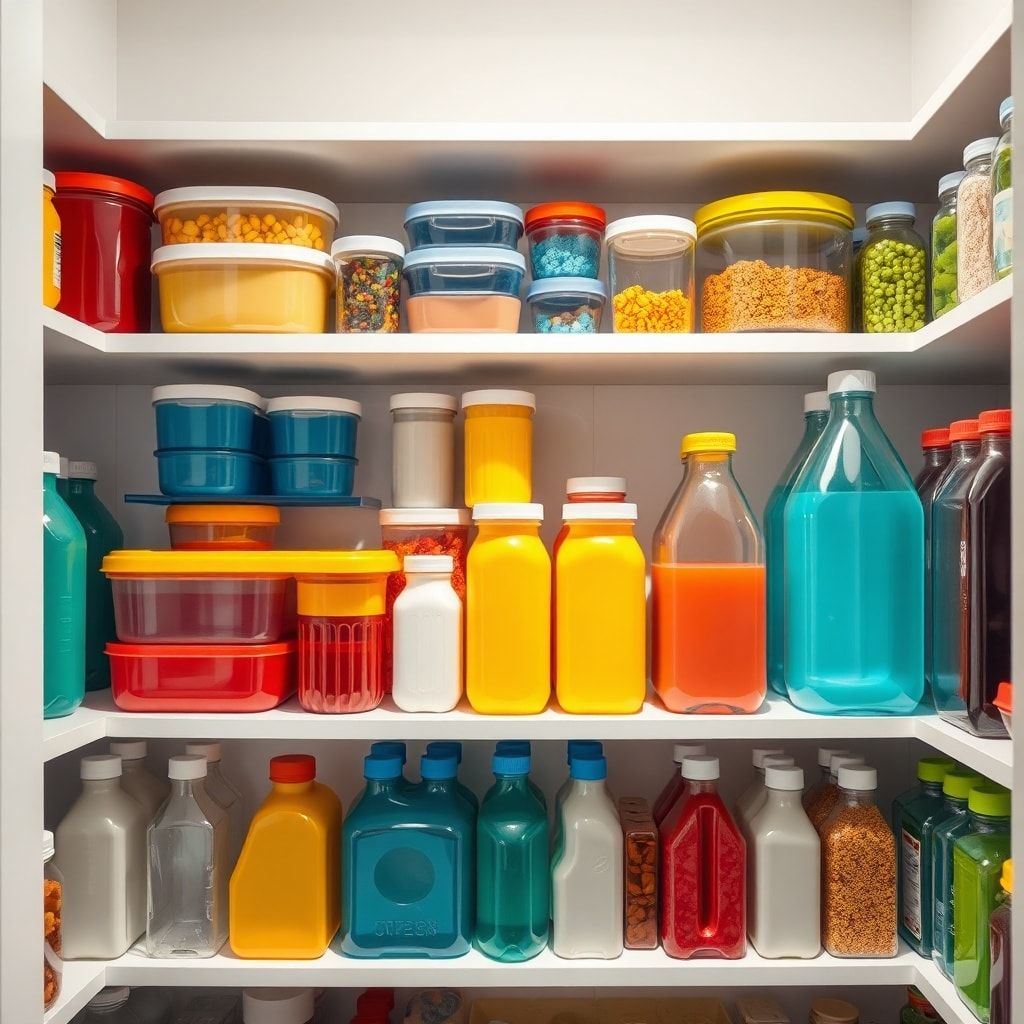
Plastics are ubiquitous in food packaging and storage, but not all plastics are created equal. Several types of plastic are certified as Food Grade, including High-Density Polyethylene (HDPE), Low-Density Polyethylene (LDPE), Polypropylene (PP), and Polyethylene Terephthalate (PET). These plastics are chosen for their non-toxic nature, light weight, and versatility.
Each type of Food Grade plastic has specific applications; for instance, PET is commonly used for beverage bottles, while HDPE is found in milk jugs and detergent bottles. It’s crucial to look for recycling symbols with numbers 1, 2, 4, or 5, as these often indicate a Food Grade material, though specific certification should always be confirmed for critical applications.
Food Grade Silicone
Silicone has gained immense popularity in recent years, especially in bakeware and kitchen utensils, due to its flexibility, non-stick properties, and temperature resistance. Food Grade silicone is non-toxic, odorless, and resistant to extreme temperatures, making it safe for use in ovens, microwaves, and freezers.
Unlike some plastics, Food Grade silicone does not contain BPA, phthalates, or lead, offering a safer alternative for many applications. Its inert nature means it won’t react with food or release harmful substances, even when heated. This makes it an excellent choice for items like spatulas, baking mats, and reusable food storage bags.
Other Food Grade Materials
Beyond the common examples, other materials also achieve Food Grade status for specific uses. Glass, for instance, is inherently Food Grade due to its inert and non-porous nature, making it ideal for jars, bottles, and cookware. Certain types of wood, particularly hardwoods like maple or bamboo, can also be considered Food Grade for cutting boards and serving utensils, provided they are properly maintained and sealed.
Ceramics and enamels, when properly fired and free of lead-based glazes, can also be Food Grade. The key across all these diverse materials is the assurance that they will not impart any harmful substances, tastes, or odors to food, maintaining the highest standards of safety and quality.
Regulations and Certifications for Food Grade Products
The designation of Food Grade is not self-proclaimed; it is governed by strict regulations and requires certification from authoritative bodies. These regulations are in place to protect public health and ensure consistency across industries. Understanding these frameworks is crucial for both manufacturers and consumers.
Different regions and countries have their own regulatory bodies and standards, but they all share the common goal of ensuring that materials in contact with food are safe. Compliance with these standards is a legal requirement for businesses operating in the food sector.
The Role of the FDA and NSF in Food Grade Standards
In the United States, the Food and Drug Administration (FDA) plays a pivotal role in regulating materials that come into contact with food. The FDA sets standards for “Food Contact Materials” (FCMs), which are materials intended to be in contact with food or to be reasonably expected to come into contact with food. Their guidelines ensure that these materials do not pose a health risk.
Another significant organization is NSF International. NSF provides independent certification for products and materials, including those for food equipment and food contact. An NSF certification mark on a product indicates that it has been tested and meets strict public health standards, providing an extra layer of assurance for a Food Grade product. This is particularly important for commercial kitchens and processing plants.
International Food Grade Regulations (EU, etc.)
Globally, similar regulatory bodies exist. In the European Union, Regulation (EC) No 1935/2004 sets out general requirements for all Food Contact Materials (FCMs). It mandates that FCMs must not transfer their constituents to food in quantities that could endanger human health, change the composition of the food, or deteriorate its organoleptic characteristics.
Compliance with these international standards is vital for businesses involved in global trade of food products and equipment. Adherence to these strict guidelines ensures that consumers around the world receive safe and high-quality food, regardless of where the packaging or processing equipment originated. The harmonized efforts to define Food Grade materials are a testament to global health priorities.
Identifying and Choosing Food Grade Products
For consumers and businesses alike, being able to identify genuine Food Grade products is essential. While the term might be used broadly, true certification comes with specific markings and documentation. Knowing what to look for can prevent accidental use of non-compliant materials, safeguarding health and ensuring regulatory compliance.
When purchasing items for food storage, preparation, or serving, always prioritize products explicitly labeled as Food Grade. This simple step can make a significant difference in preventing potential contamination. It’s an investment in safety that pays dividends in peace of mind and health.
Labels and Certifications to Look For
The most straightforward way to identify a Food Grade product is by looking for specific labels and certifications. These often include the FDA-approved symbol, the NSF mark, or the “Food Safe” icon (a wine glass and fork symbol, common in the EU). For plastics, the recycling symbol with specific numbers (1, 2, 4, 5) can often indicate suitability, but always double-check manufacturer claims.
Additionally, reputable manufacturers will clearly state if their products are Food Grade and may provide documentation or certificates upon request, especially for industrial applications. Don’t hesitate to ask for this information, as transparency is a hallmark of responsible product manufacturing. Always be wary of products that make vague claims without specific certification.
Practical Tips for Home and Business Use
In the home, always use containers and utensils specifically designed for food contact. Avoid repurposing industrial containers for food storage, even if they appear clean. For businesses, implementing a robust procurement process that verifies the Food Grade status of all materials is critical for compliance and customer safety. This includes everything from cutting boards to processing machine parts.
Regularly inspect Food Grade items for wear and tear. Scratches and cracks can compromise the surface integrity, potentially creating areas where bacteria can harbor or where chemicals might leach. Replacing worn items is a small price to pay for maintaining food safety standards. Educating staff on the importance of Food Grade materials is also a crucial step in any food-handling operation.
The Future of Food Grade Materials and Sustainability
As environmental concerns grow, the focus on sustainable Food Grade materials is becoming increasingly important. Innovations are constantly being made to develop materials that are not only safe for food contact but also environmentally friendly, biodegradable, or recyclable. This dual focus aims to protect both human health and the planet.
The industry is moving towards a future where Food Grade doesn’t just mean safe, but also responsible. This includes exploring plant-based plastics, advanced recycling technologies for existing Food Grade materials, and novel composites that offer both performance and ecological benefits. This evolution ensures that the standards for Food Grade continue to adapt to global challenges.
Conclusion: Prioritizing Food Grade for a Safer World
The term Food Grade is far more than just a label; it represents a commitment to safety, health, and quality in every aspect of food handling. From the raw materials used in manufacturing to the finished products on our shelves, adherence to Food Grade standards is non-negotiable. It protects us from harmful chemical contamination and ensures the hygienic preparation and storage of our food.
By understanding what makes a material Food Grade, recognizing the relevant certifications, and making informed choices, we can collectively contribute to a safer food environment. Whether you are a consumer stocking your pantry or a business operating in the food industry, prioritizing Food Grade materials is an essential step towards safeguarding public health and maintaining trust. Always choose products explicitly designed and certified for food contact to ensure peace of mind and the well-being of all. For more information on specific material certifications, consider consulting official regulatory body websites like the FDA or NSF International.
Take Action: Review your kitchen and food handling practices today. Ensure all materials coming into contact with your food are properly labeled and certified as Food Grade. Your health, and the health of those you serve, depends on it.