
The Evolution of Technology: A Timeline of Innovation
Title: The Evolution of Technology: A Timeline of Innovation
In the bustling city of Bangkok, the evolution of packaging trends has been a fascinating journey to witness. From traditional methods to modern innovations, cardboard box factories have played a crucial role in shaping the way products are packaged and shipped. In this article, we will take a closer look at how technology has transformed the packaging industry over the years, with a special focus on the cardboard box factories in Bangkok.
**The Rise of Automation in Packaging**
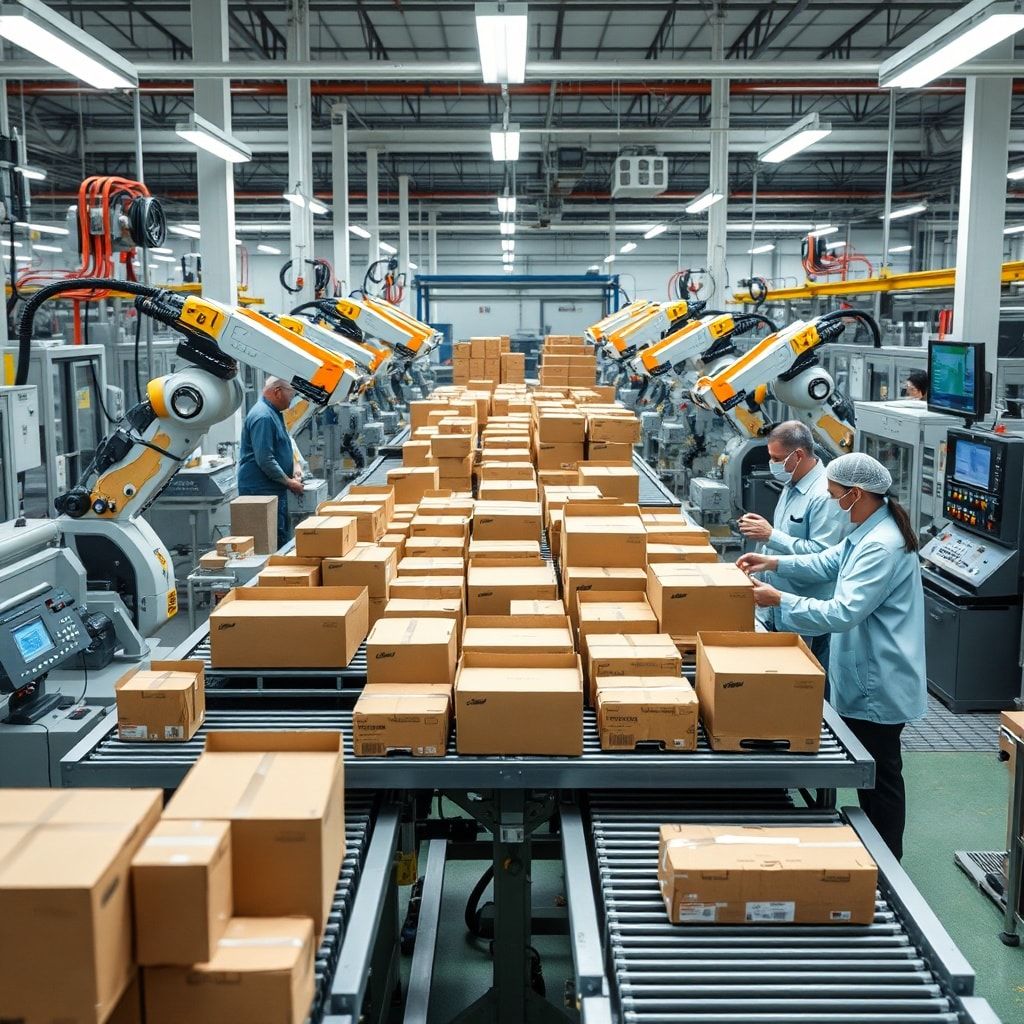
One of the most significant trends in the evolution of packaging technology is the rise of automation in cardboard box factories. With the advancement of robotics and machinery, tasks that were once done manually can now be completed with precision and efficiency. This has not only increased productivity in factories but has also improved the overall quality of packaging materials.
****
Automation has also allowed for greater customization in packaging designs. With the use of computer-aided design (CAD) software, manufacturers can create intricate and unique packaging solutions that cater to the specific needs of their clients. This level of customization was not possible with traditional methods and has opened up new possibilities for branding and marketing strategies.
**Sustainable Packaging Solutions**
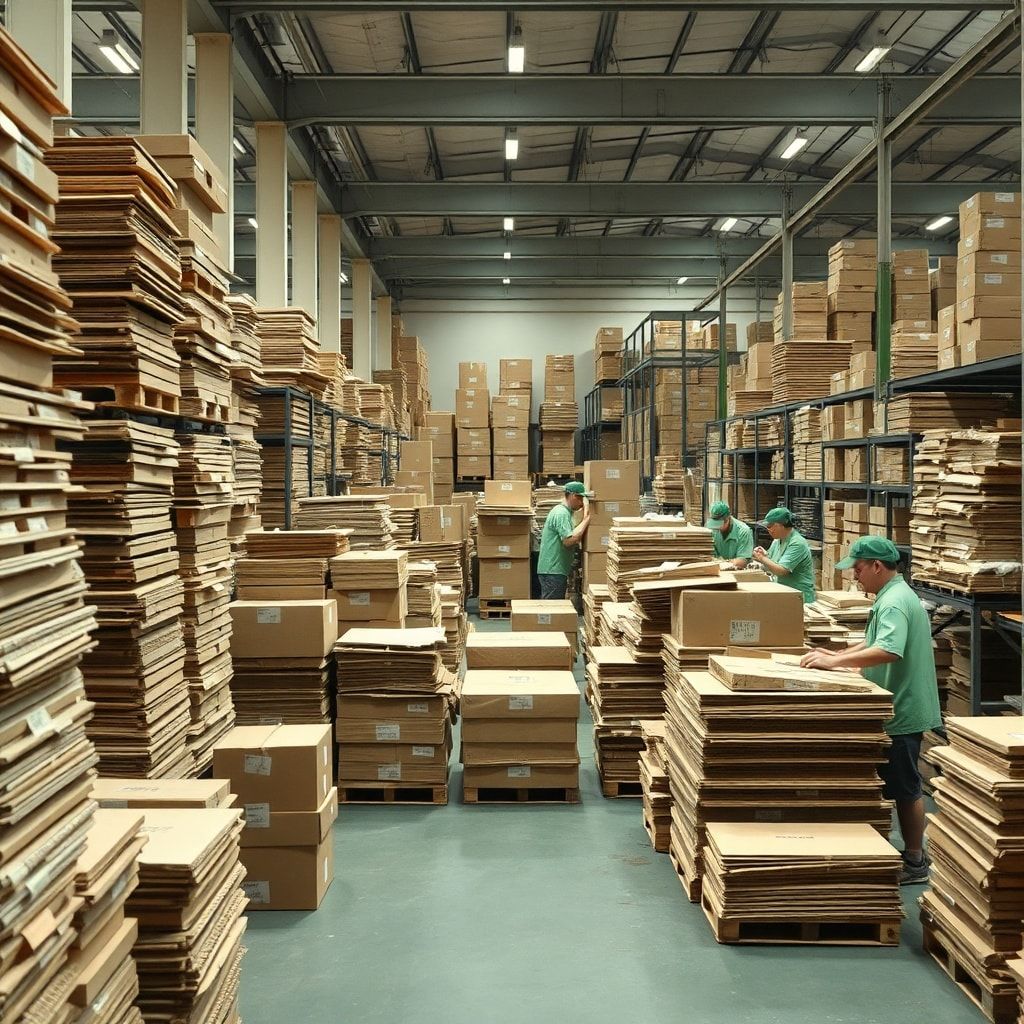
Another important trend in the packaging industry is the shift towards more sustainable practices. As consumers become more eco-conscious, there is a growing demand for environmentally friendly packaging solutions. Cardboard boxes, being biodegradable and recyclable, have become a popular choice for companies looking to reduce their carbon footprint.
** **
**
Manufacturers in Bangkok have been quick to adopt sustainable practices in their cardboard box factories. From using recycled materials to implementing energy-efficient machinery, these factories are leading the way in creating packaging solutions that are both cost-effective and environmentally friendly. This shift towards sustainability is not only beneficial for the planet but also for the reputation of companies that prioritize eco-conscious packaging.
**The Role of Digital Technology in Packaging**
In recent years, digital technology has revolutionized the way packaging is designed and produced. 3D printing, for example, has allowed for rapid prototyping of packaging concepts, reducing time and costs associated with traditional methods. Virtual reality (VR) and augmented reality (AR) have also been used to create immersive packaging experiences for consumers, enhancing brand engagement and loyalty.
****
By embracing digital technology, cardboard box factories in Bangkok have been able to stay ahead of the curve and meet the evolving demands of the market. Whether it’s creating interactive packaging designs or implementing smart packaging solutions, technology has played a crucial role in shaping the future of packaging trends in the city.
**Conclusion**
The evolution of packaging trends in Bangkok’s cardboard box factories is a testament to the power of innovation and technology in driving industry growth. From automation and sustainability to digital advancements, manufacturers in the city have embraced change and adapted to meet the needs of a dynamic market. As we look towards the future, it is clear that technology will continue to play a pivotal role in shaping the way products are packaged and delivered to consumers. By staying agile and innovative, Bangkok’s cardboard box factories are poised to lead the way in the ever-evolving world of packaging.